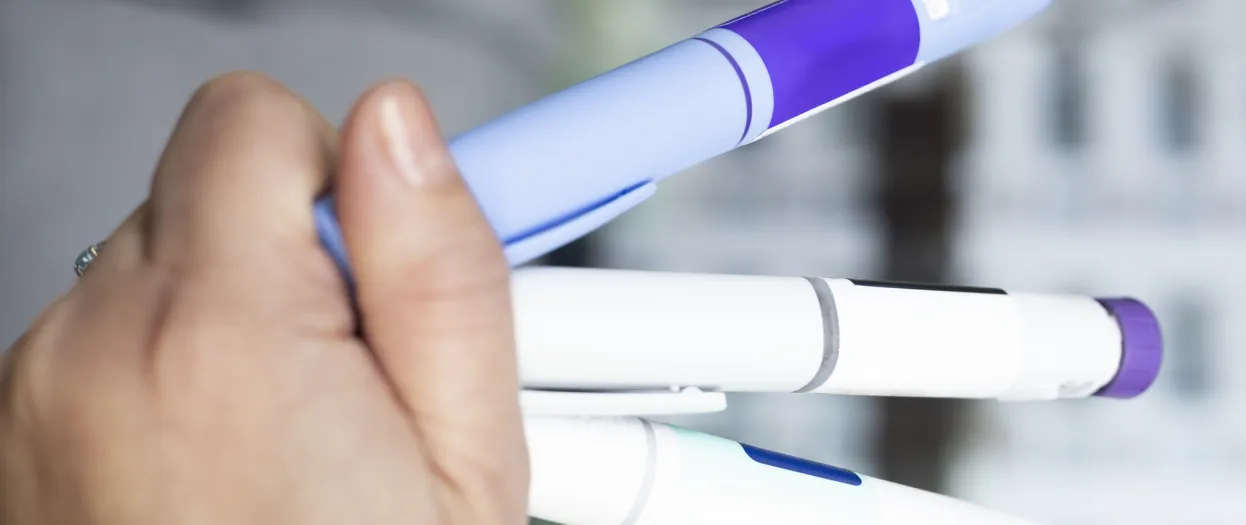
Low awareness of GLP-1s globally, but high in the most advanced economies
Despite media discussions around the drugs, only around a third across 30 countries have heard about the drugs, with a lot of the discourse taking place via social media according to the Ipsos Health Service Report.
The seventh edition of the Ipsos Health Service Report continues to track people’s attitudes and perceptions to their healthcare system and asks what they think are biggest health challenges facing their country.
This edition features new research around the drug GLP-1, as well as looking at obesity. Additionally, instead of having a separate report for World Mental Health Day, we have folded the research for that into this report.

Key findings
- Low awareness of GLP-1s: 36% across 30 countries have heard of GLP-1 drugs, such as Ozempic, Wegovy, Zepbound, Rybelsus or Mounjaro. Awareness is highest in the US (74%) and lowest in Colombia (9%).
- Social media is fuelling discussion: Of those who have heard about GLP-1s, 45% say they heard about them via social media, compared to 19% who heard through a medical professional.
- Mental health still top: For a third year running, mental health is seen as the biggest health issue, with 45% expressing concern. This is up from 27% in 2018.
- General support for vaccines: On average, 61% agree vaccinating against serious infectious diseases should be compulsory.
- Overall good quality of care: Four in ten (43%) rate the quality of the healthcare they have access to in their country as good. Only 22% rate the care they receive as poor. Malaysians are the most positive (75% say it’s good) and Hungarians are the least positive (12% say it’s good).
- However, optimism is hard to find: When asked whether care will improve or get worse, only 28% believed their healthcare will improve over the coming years.