
What will diners’ new delivery habit mean for restaurants?
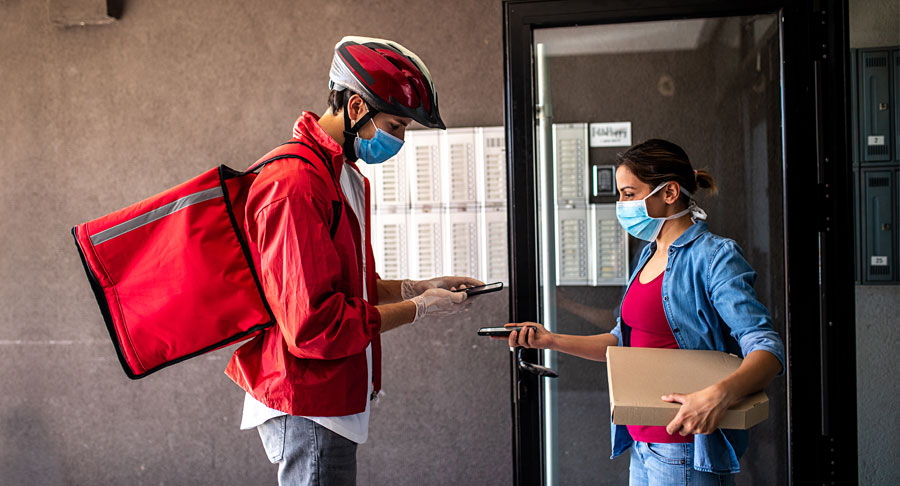
The pandemic altered Americans’ reliance on food delivery, which will likely remain a necessity for customers. Yet while some restaurants and grocers have invested heavily in delivery and curbside pickup, others have begun to pull back on these services. Ongoing customer demand sits in tension with the reality of executing on a hybrid business, which many restaurants aren’t equipped to support and sustain.
Ipsos data shows that one-third of Americans use third-party delivery companies at least some of the time. This figure has remained stable, even as dining in at restaurants rose by half to 57% from two months earlier. Furthermore, nearly four in ten Americans plan to use delivery as much as they do now after receiving the COVID-19 vaccine, with another one in ten planning to increase their usage.
Consumers continued use of delivery apps has been driven primarily by convenience (60%). This will remain important as more workers navigate hybrid work lifestyles. They will find a more competitive food landscape has emerged. Many companies across industries have quickly adapted to the sharp demand for food delivery.
Some restaurants opened ghost kitchens, facilities set up for delivery only, to cut overhead costs and stay in business during the pandemic. The Washington City Paper recently announced that it is hiring a food critic to review restaurants focused exclusively on takeout. Even supermarkets such as the Giant chain, which began accepting SNAP benefits for online orders and partnered with Instacart to provide a 30-minute delivery service, have incorporated delivery into their businesses.
While food delivery is no longer the “essential work” that it was during the pandemic, its convenience and relative ease of use will continue to make it a staple in the lives of many. Restaurants and grocery companies that cut off these services as customers return in-store will do so to the detriment of their customer loyalty and market share.


![[WEBINAR] Cracking the Nutritional Supplement Market](/sites/default/files/styles/list_item_image/public/ct/event/2026-05/thumbnail-cracking-nutritional-supplement.png?itok=Cts0kD4T)
![[WEBINAR] Dealmaking 2026: What’s Changing, What’s Not, and How to Position for the Next Wave](/sites/default/files/styles/list_item_image/public/ct/event/2026-03/deal.png?itok=NtU1lGCc)