Public Health


Public Health Survey

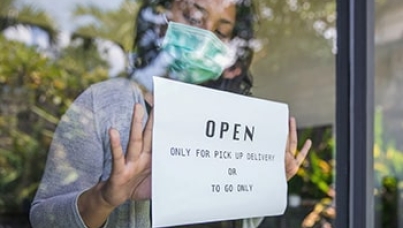
Abortions amid COVID-19: How women’s rights are being impacted by the pandemic

About 70% say abortions should be permitted ̶ down 5% from 2014 and lower than when poll began
Consumers Publication

Clean, green and affordable: Striking a balance between sustainability, hygiene and value in packaging

In a COVID-19 world, companies that can balance sustainability, hygiene and value will build long-term reputational equity and greater chance of success.
Holidays Survey

Worried, Belgians adapt their holiday intentions to the context of COVID-19

According to a survey carried out by Ipsos for the Europ Assistance Group1 , 82% of Belgians say they are going on holiday this year. Among them, 59% intend to leave this summer.
Public Health Survey

Facts, theories and myths: How do you think COVID-19 spreads?

See how people feel about drugs, animals, food, technology and weather when it comes to the virus.
Drugs Survey

Theories about how COVID-19 spreads varies with emerging markets more likely to believe myths

More people globally believe COVID-19 can live on surfaces for days over other theories.
Public Health Publication

Signals #7: Understanding the coronavirus crisis

This seventh edition of our Signals digest brings together Ipsos’ latest research on coronavirus from our teams around the world.
Public Health Survey

More think opening businesses puts too many people at risk of COVID-19 and we need to wait

A majority of people in some hard-hit countries think jobs lost will not be recovered.
Ipsos Update Publication

Ipsos Update - June 2020

This month’s round-up of research and analysis from Ipsos around the world includes the latest insights on the impacts of coronavirus and how we can plan for the future, customer experience – including the emerging health and safety agenda, attitudes to work, the second world war, and public opinion from New Zealand and Australia.

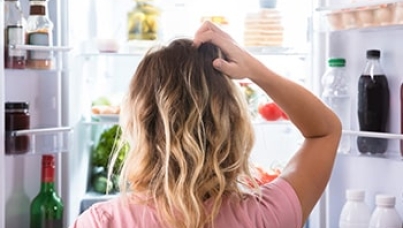
Comfort food: Women more likely to admit to overeating, under exercising amid COVID-19

Experts say women are more prone to emotional eating due to various psychological factors.