
Nigeria - Riding the storm

Nigeria is popularly called the ‘Giant of Africa’ for being the most populous on the continent with the largest economic activity, and remarkable cultural diversity. She has, however, been on a roller coaster of highs and lows since independence in 1960. Over the past decade, the economic climate has deteriorated almost every single year and currently Nigeria is considered as one of the highest inflation markets in the world.
The pandemic has accelerated the economic decline and now, with elections coming in 2023, the economic climate is likely to deteriorate further. The forex market is largely revolving around parallel markets with a continuously widening gap between CBN (Central Bank of Nigeria) rates vs parallel market rates. Given the Naira has already depreciated from N160 to N730 per dollar in parallel market between 2013 and 2022, further depreciation will likely keep the economy nose-diving.
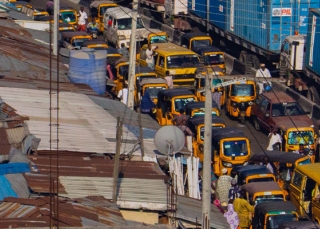
Since Nigeria imports almost all basic goods and only exports oil, one can imagine the inflationary hardship that the typical Nigerian has had to endure for a very long time. This resonates with the Nigeria findings from Ipsos Global Trends: “I think global brands make better products than brands that are just local to my country” and “I tend to buy brands that reflect my personal values”.
Inflation, fiscal and forex pressure have increased considerably leaving the economy much more vulnerable and pushing millions of Nigerians into poverty. Households are feeling the pinch as rising prices reduce their purchasing power. (GDP per capita income has declined from $3099 in 2014 to around $2085 in 2021.)
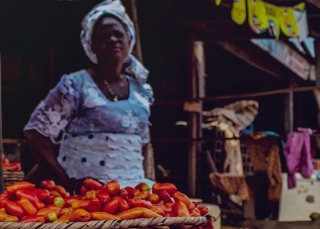
Amidst all uncertainties, Nigeria is considered a country which weathers all tensions by sheer hustling behavior. Nigeria continues to be a strong consumer economy, driven by strong affinity for food and beverage products. Big multinational companies and local food and beverage companies have weathered the economic climate reasonably well, although they have decreased marketing budgets (especially in dollar terms). They also had to struggle while importing raw materials, which has become more difficult since the Ukraine war. Their success is grounded in the optimism of Nigerians and how consumers choose their brands: “I am generally willing to spend extra for a brand with an image that appeals to me”.
Amidst all uncertainties, Nigeria is considered a country which weathers all tensions by sheer hustling behavior
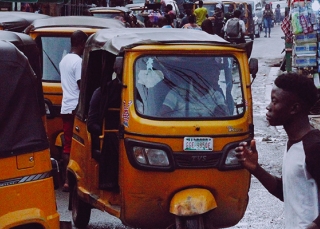
The glimmer of hope on the horizon is the upcoming election. “I wish my country was run by a strong leader instead of the current elected government” is a common phrase amongst most Nigerians. From all indications the next leaders elected will determine if she sinks or swims.
Himanshu Verma
Note
The phrases in bold and italics are from the 2021 GTS and Nigeria ranks high (or highest) on them.