The E-commerce Outlook 2018 focuses on researching the habits of both millennial and non-millennial people. Start form which E-commerce that mostly visited until which payment method that they used most often.
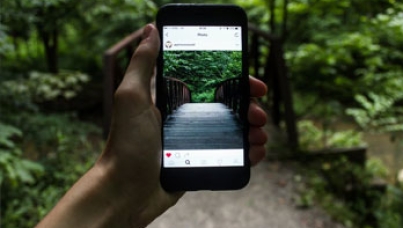
Peran Instagram terhadap Perkembangan Bisnis di Indonesia - With Instagram’s global influence of bringing consumers closer to the things they love, which includes, Small and Medium Businesses (SMBs), the platform has grown to be one of the most widely-used business platforms in Indonesia.
The average global economic assessment of national economies surveyed in 28 countries remains unchanged this wave with 46% of global citizens rating their national economies as ‘good’.
Welcome to Ipsos Update – our monthly selection of research and thinking from Ipsos teams around the world. October’s edition features new papers on agile research, surviving disruption, and creating strong branded memories in ads, as well as reports on Kenya, populism, and young people globally.
New global poll finds four concerns top the world’s worry list: Unemployment, poverty/social inequality, crime/violence and financial/political corruption.
After holding steady for three consecutive months, the average global economic assessment of national economies surveyed in 28 countries is up one point this wave with 48% of global citizens rating their national economies as ‘good’.
Access to treatment, staffing and cost top the list of worldwide concerns.
Comprehensive study covers personal health, technology, information and future expectations.
In this paper, three highly experienced mystery shopping experts share their knowledge and opinions on different aspects of mystery shopping in the luxury industry and how it is a vital ingredient in a holistic Customer Experience strategy.
Welcome to Ipsos Update – our monthly selection of research and thinking from Ipsos teams around the world. July’s edition features new papers on ethnography, audience measurement and food waste, as well as new global reports on the inclusiveness of nationalities and artificial intelligence.