Tetra Pak launches 2019 Index Based on Ipsos global study
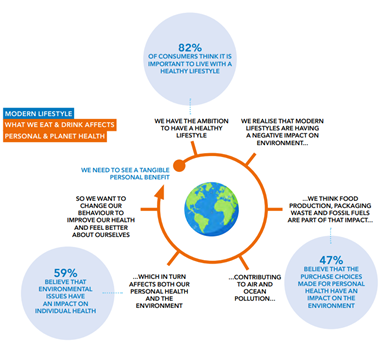
In a study carried out online with a total of 7,500 consumers in Brazil, China, France, Germany, India, Italy, KSA, Japan, Mexico, Russia, South Africa, Thailand, Turkey, UK, and USA, almost two-thirds (59%) think that their health and well-being are strongly affected by environmental problems.
Whether they are thinking about health or the environment, they are concerned about the same things: air and ocean pollution, microplastics, and poor drinking water. Nearly half (47%) believe that the purchase choices they make for their health will have an impact on the environment, and some also see this in reverse: 37% of consumers who plan to buy more environmentally sound products say that it will have a positive impact on their physical health, and 18% believe that it will improve their mental health. A driving factor for positive change almost everywhere is youth. Young people want and expect to be healthier and live longer than their parents. Moreover, their use of social media, their own experience of climate change and the global visibility of young activists all urge them to act more responsibly towards the environment.
Changing food and drink habits is seen as vital by consumers to live healthier, more environmentally friendly lives. However, there are barriers to change: cost, lack of knowledge, lack of availability, and lack of credible options. This provides an opportunity for brands to support consumers in their desire for change and to demonstrate purpose. The Tetra Pak-Ipsos study includes an analysis of varying levels of awareness, attitudes, and engagement around both health and the environment, to reveal six new consumer segments: Active Ambassadors, Planet Friends, Health Conscious, Followers, Sceptics and Laggards. Each group has their own distinct beliefs, values, change drivers and trusted information sources, creating clear opportunities for targeted products and engagement.
Read more about Tetra Pak or download the report below.