
Switzerland - Searching for consensus

As a cornerstone of Switzerland direct democracy, Swiss citizens are invited to vote every quarter on various matters on the back of either popular initiatives or referendums. Looking back at 2022 at the results of some the recent votes gives us a good understanding of the relevant societal topics the country is currently facing, as well as providing us with some learnings regarding some of the key underlying values in Switzerland. Below are three examples from votes that took place in 2022 that exemplify some of the Swiss characteristics.
Presumed consent on organs, tissues and cells donation
The so-called “Transplantation Act” – This vote was accepted by 60% (voting turnout: 40%). The Federal Council and Parliament want to increase patients' chances of receiving an organ. Today, someone who wants to give their organs must provide formal written consent. In the future, anyone who does not wish to donate their organs will have to state this during their lifetime. Said differently, it will be assumed that someone is in favour (“presumed consent”) of such a donation unless they communicate otherwise upfront. This law is expected to reduce the waiting list of those in need of an organ and save lives. Still, relatives will be consulted and asked to express what they believe was the position of the person who passed away. To note, this system is already in place in neighbouring countries. Although Switzerland was not the first or at the forefront on this topic, this shows the importance in Switzerland of carefully considering every aspect of such a difficult societal topic, reaching some consensus and then, in this case, moving along with one important societal trend.
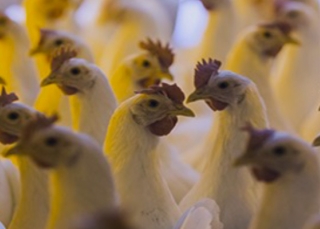
Improvements to the minimum requirements for breeding of animals for agricultural purposes and the prohibition of factory farming
This popular initiative was rejected by 63% (voting turnout: 52%). This proposal was opposed since animals’ conditions in Switzerland are already considered exemplary, among the strictest in the world. Implementing such a law could have led to important price increases on many essential products (eggs, butter, meat) and would have required Switzerland to break some commercial agreements with the European Union.
This vote can be considered a good expression of Swiss citizens’ pragmatism and their tendency to keep the long-term perspective in mind long term
Reform of the old-age and survivors’ insurance (OASI) system to make it financially neutral
The reform was accepted by 50.6% (voting turnout: 52%). The OASI is the main system to protect Swiss citizens in retirement. This retirement system is no longer financially balanced as the Swiss population is getting older and the number of retired people is increasing faster than the number of employees who contribute to the system. The vote had two components: A) creating savings with the age of retirement for women moving gradually from 64 to 65-years-old (in line with men, already at 65 years-old). B) creating more tax income for the Swiss state to the benefit of the retirement system with VAT increasing from 7.7% to 8.1%. With this agreement, expectations are that the retirement system for Switzerland will remain balanced at least for the next 10 years. Although the outcome of this vote was very “polarized”, it demonstrates that Swiss citizens were ready to make some significant sacrifices in order to preserve their protection system and it also showed the constant efforts to find a majority across the generations, in this case by combining the retirement age increase for women with an increase of VAT.
Hubert Brossard
Jean-Pierre Berst