益普索的這篇報告向客戶闡述如何在多變的的市場中生存以及如何應對突破性的改變。This report speaks to clients to find out how to survive in a transforming market and handle the changes disruption brings.
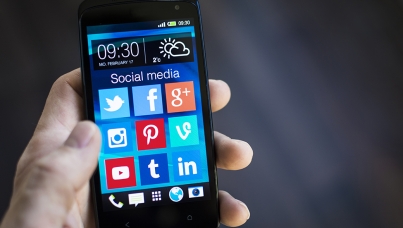
Ipsos SMX最近另外針對542名千禧世代消費者進行的一次調查研究中,四分之三的消費者稱他們在社群媒體上關注官方品牌或公司的頁面。其中,在最近有在線上發現了新的品牌或產品的消費者中,有78%的人表示他們是透過社群媒體網站發現新品牌或產品的,這一比例顯著高於零售網站、論壇、部落客或搜尋引擎。85%的消費者說如果他們最好的朋友在社群媒體上推薦的話,他們「肯定」或「可能」會購買某個產品。
In a recent Ipsos SMX study conducted with 542 millennial consumers, 3 out of 4 reported following official brand or company pages on social media. Of those who have recently discovered a new brand or product online, 78% say they use social media sites as a typical means of discovery, significantly higher than retail sites, forums/blogs or search engines.
討論熱度極高的千禧世代是現今許多品牌的目標族群。
但,不同產業中的任何品牌都能用相同的方式對千禧世代產生一樣的影響力嗎?
還是說,對於特定產業中的品牌來說,他們需要調整對應的策略?試問民生消費品牌是否能夠使用與數位品牌一樣的方式對千禧世代造成一樣的影響力?
若答案是否定的,那麼所有民生消費品牌都需要問同樣的一個問題:我們該怎麼做?
The often-discussed Millennial generation is now a key target for many brands around the world, and in Taiwan.
But, can Millennials be equally in flounced by any brand from any categories in the same way?
Or do brands in certain categories need to adapt their strategy, such as can consumer brands truly influence Millennials in the same way and to the same extent as digital brands?
If no, then the key question that all consumer brands should be asking is ‘what do we need to do?’
一個優秀的廣告我們都能記得住,但是我們能記住這個廣告的品牌嗎?品牌被記住是製作廣告的首要目標,但奇怪的是,許多行銷人員並沒有做到這一點。其原因是,他們沒有把品牌放在廣告的核心地位。製作廣告時,行銷人員必須在最早的構思階段就從品牌入手,並在適當的情節中將品牌貫穿於整個故事架構中。有些經過檢驗的方法,可以確保製作出有效的廣告。這篇觀點文章將對這些方法進行說明,它們對有效的廣告來說都是極為重要的。 益普索洞察:人們記得的不是廣告,而是故事。若將品牌作為故事的關鍵點,融入廣告當中,就能確保廣告中的任何資訊,都能被聯想到該品牌。
We all remember great ads. But do we remember the company? This is the No. 1 aim for advertising, but, surprisingly, many marketers don’t achieve it. The reason is the brand is not front-and-center. Marketers must start with the brand in the earliest conception stage, and weave it throughout the storyline architecture at opportune points. There are several tried and true techniques to ensure success. This Point of View paper addresses those approaches— crucial to effective advertising. Key insight: People don’t remember ads; they remember stories. By integrating the brand into the ad as a key point of the story, marketers ensure any memories and messages will be credited to only their brand.
品牌,生存在一個不斷變化的世界裡,但在人們生活中扮演的角色一直都沒有改變,而人們自身的變化,也逐漸趨緩。事實上,已有充分的證據證明,相較於起伏不定的外在條件,人類在蒐集及處理資訊,並根據這些資訊作出選擇和判斷的方式,是相對穩定和一致的。對於企業來說,充分瞭解消費者可以為企業帶來較穩定的基礎。此外,現在有許多以神經科學及行為心理學為基礎的研究方法被廣泛使用,說明現在的我們已經比以往更加瞭解人類的決策過程。
企業們會有許多和他們品牌相關的問題,而這些問題最終都可以歸結為:我們的品牌現在做的如何?我們該如何才能建立更好的品牌力?
Brands exist in a constantly changing world. But the role brands play in people’s lives has not changed and people themselves change more slowly.
There is ample evidence to show that, even when conditions are in constant flux, the way humans gather and process information and make choices is more constant. For businesses, understanding people provides a relatively stable strategic anchor. There are also significant new approaches based on neuroscience and behavioural psychology that mean we know more about human decision processes than ever before.
Many of the questions businesses ask about their brands boil down to “how well are we doing” and “how can we do better?”
如何才能讓廣告觸及率和精準度達到最佳平衡?有些行銷人員很依賴網路媒體精確選擇目標市場(Micro-Targeting)的能力。有些行銷人員則認為應該盡可能地接觸到更廣大的目標市場。那麼,對於你的品牌而言,應該如何取得兩者之間最正確的平衡呢?答案或許有點令人沮喪:「視情況而定」。
What is the best way to get the right amount of reach but also the right precision? Some marketers are seduced by the promise of micro-targeted precision through digital media spend. Others go broad and target everyone. What is the right balance for your brand? Frustrating though it may be – the answer is “it depends”.