
Netherlands - Crisis, what crisis?

Diversity and inclusion
Investments in diversity and inclusion contribute to a feeling of safety, wellbeing, and happiness. Amsterdam, the capital of the Netherlands, is home to 180 nationalities. It is the most diverse, multicultural city in the world. For a country which harbors a capital so diverse, it is not surprising that tolerance is a core value of the Dutch.
However, recent Ipsos research, in collaboration with the national postal company, PostNL, indicates that there is still room for growth when it comes to diversity and inclusion. PostNL has joined forces with Ipsos this year to leverage a research framework PostNL has invested years of research in. With Ipsos, the national Diversity Index was created. In the general workforce, people see diversity is there. However, they still see underrepresentation of managers with diverse social, ethnic and cultural backgrounds. And on equality and inclusivity, the general feeling is that there are still ethnic or gender-based differences in how staff are treated[1]. This insight is supported by another Ipsos study conducted in summer 2022, which revealed that people feel events that foster emancipation and equal rights for the LGBTQI community, such as Amsterdam Pride, are still needed. To close on a positive note, there is still room for growth, even in a country as advanced in terms of diversity and inclusion as the Netherlands!
Combatting crises
The Netherlands has one of the most intensive agricultural ecosystems of the world; the small country is home to some 3.7 million cattle and cows, 11.2 million pigs, 96.7 million chickens. Most of this is for the export market. The total agricultural export market is worth over €100 billion per year. Meat exports are €8.8 billion and the Dutch farmers in this agricultural sector are the largest in the EU. Another €7.5 billion of GDP is in dairy products. With 42% of the small Dutch land area in use as pastures or for food to feed livestock, it is easy to imagine the intensity of the agricultural industry.
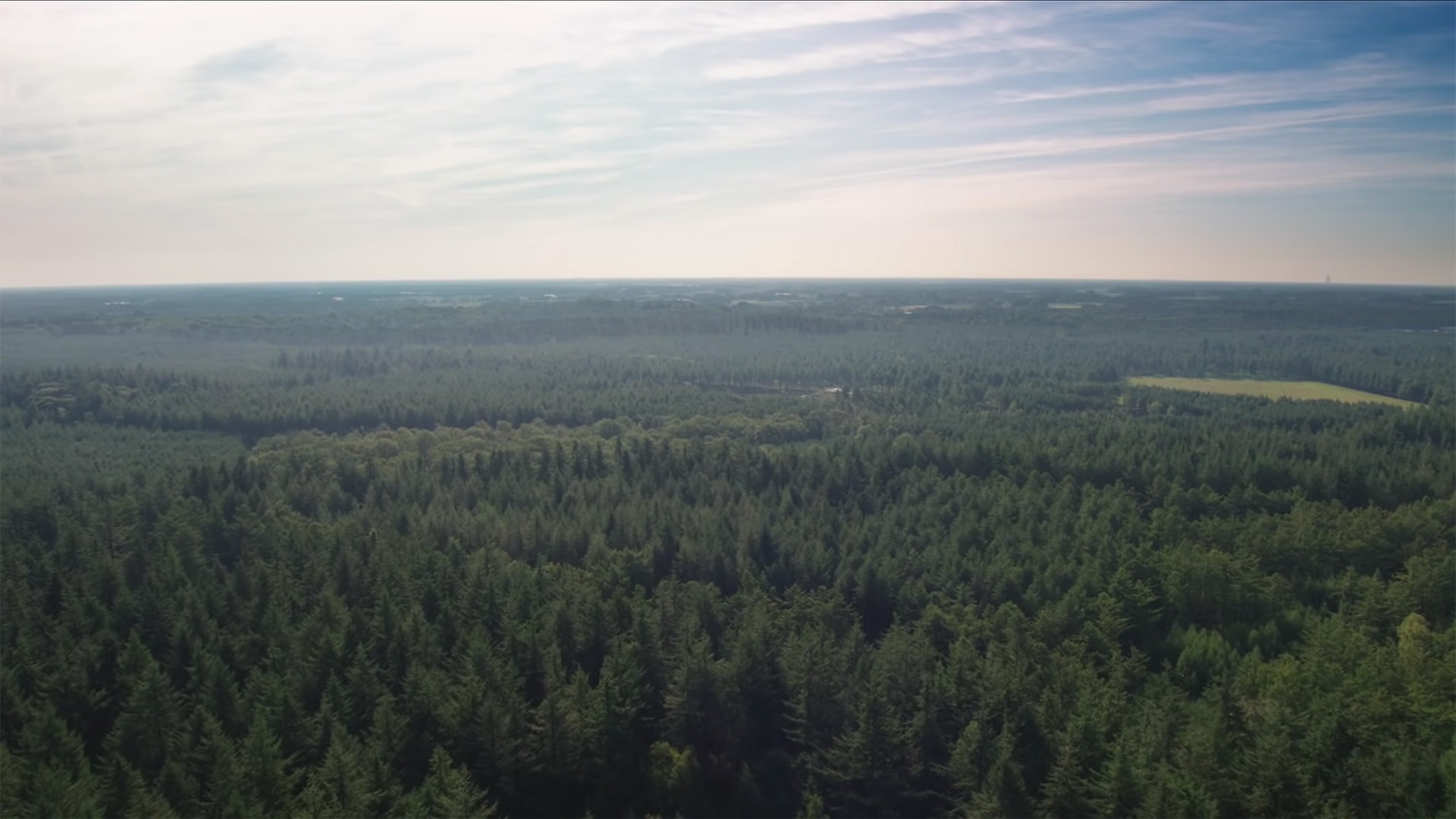
This strong, impressive Dutch agricultural sector, and especially the livestock, has started to put a heavy burden on society as a whole. It has a negative impact on the global climate, because of carbon dioxide and methane emissions, and contributes to nitrogen emissions that cause harm to Dutch nature. And even more so, it indirectly impacts the ability to build new homes, in a country where 1 million new homes are urgently needed.
With 42% of the small Dutch land area in use as pastures or for food to feed livestock, it is easy to imagine the intensity of the agricultural industry
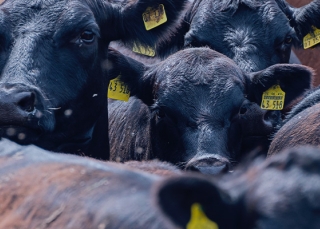
In July of this year, Ipsos probed the worries of Dutch society. It turned out that nitrogen emissions were one of the key problems the Dutch government should resolve. But one of the key methods pursued is to decrease the number of farms – which has resulted in widespread civil unrest last seen decades ago. And decreasing food production may well contribute to higher inflation – the largest problem Dutch society faces according to Ipsos research – so the timing couldn’t be worse. Moreover, there appears to be a link with other societal challenges, as it is believed that support for asylum seekers and refugees is decreasing, along with the availability of housing in general.
The pressures of inflation, nitrogen emissions, asylum, housing, energy and climate crises are interconnected and complex. They require strong politics to be resolved. But who knows what to focus on? A large proportion of citizens want the government to engage in solving problems around these crises, but sometimes equally large groups state the government shouldn’t.
The political arena
In past years, the political arena held a strong center of power, where four parties with largely similar ideals formed coalitions and found consensus. However, nowadays there is no strong center and the debate on content and problem solving has polarized into a debate on ideologies and opinions. Trust, according to Ipsos, in politicians and the political system is at an all-time low. The current cabinet is only supported with 54 of 150 seats and receives a grade of 4 out of 10. Even the monarchy – traditionally a way to hold the Dutch people together – is less popular than ever, with only 51% of the Dutch in favor of it.
According to some, crises are temporary moments of imbalance. Whatever the time required to resolve them, the means through which they could be resolved involve politics, institutions, corporations, science and individuals. As we help everyone involved take solidly-founded decisions, our relevance as an information and insights provider is larger than ever.
Daan Versteeg