
Ukraine - Resilience

Ipsos has conducted two waves of the Ukrainian Resilience Monitor. The aim was to investigate whether Ukrainians are able to meet their essential needs since the Russian invasion in February 2022.
Different types of cities of Ukraine were taken into consideration - newly liberated (Balaklia, Kupiansk, Izyum, Lyman – November), frontline (Kharkiv, Mykolaiv – both waves, Zaporizhzhya – November), rear (Kyiv – October, Dnipro – both waves), furthest from frontline (Lviv – October). The survey finds significant differences between the frontline cities and those in the “rear” areas when it comes to access to essential services.
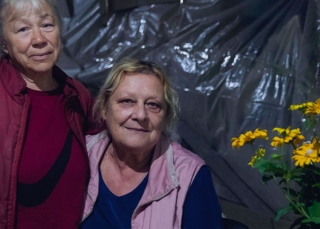
The worst situation is in newly liberated cities. Only 37% of residents have access to hot water and 43% to heat. Also, only 66% of them had access to safe drinking water. The latter problem is severe for residents of Mykolaiv - only 3 in 10 (29%) had access to safe drinking water, without improvement since September.
Since the Russian invasion on February 24, residents of all surveyed cities have experienced economic loss. Newly liberated and most of the surveyed frontline areas were most affected – from 64% to 79% of their residents report having no income or experienced income loss. Employment levels also were very low in these areas – only 22% of residents in newly liberated cities, 39% in Mykolaiv, and 43% in Kharkiv are employed. In Zaporizhzhya, this indicator stood at 51%.
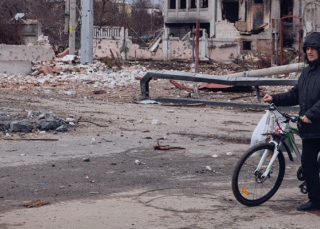
As for rear cities, more than half of the residents in Kyiv (61%), Dnipro (61%) and Lviv (70%) were still working in September although the level of employment had decreased compared to the pre-war time in these cities as well.
Olena Siletska
Listen to our Ukrainian colleagues talk about the power of research in wartime, and the challenges of carrying it out in a modern warzone in our special Almanac podcast (from around 33m:50s).
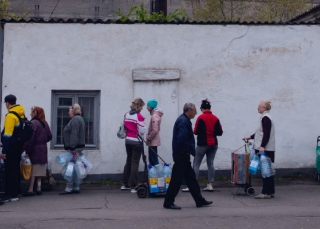
Documenting life during wartime: Voices of Ukraine
Ipsos’ weekly Voices of Ukraine photo-essay series focuses on how the war has impacted the life of Ukrainians of all ages, how they can meet their most basic needs and access essential services such as clean water, healthcare, and education, and how the community is responding.