Shopper


Shopper Survey

How shopping and eating out has changed during the pandemic

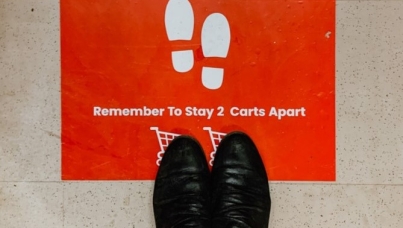
How and where the world shops and dines transformed during the coronavirus pandemic. As health orders in many countries have called for sheltering in place and minimizing non-essential trips to curb the spread of the virus, consumers throughout the world report eating in-restaurant less often (63% on average across 28 countries) and shopping online more often (43%) than they did before the pandemic. However, buying locally – whether from local farmers and manufacturers, local businesses, or local restaurants – is largely unchanged compared to before the pandemic.
Payment Survey

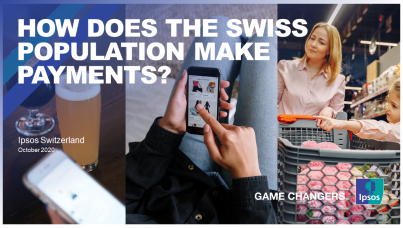
Ipsos Study: How does the Swiss population make payments?

Ipsos in Switzerland conducted a current study on this topic on behalf of TWINT.
Coronavirus Webinar

[Webinar] How physical and digital fundamentals are changing

What we know about consumers, customers and citizens and how marketers can act
Climate change Publication

Ipsos Update - February 2020

This month’s edition of Ipsos Update features the latest research and thinking from Ipsos around the world on gender, shopper behaviour, entertainment in India and young people.
Shopper Publication

The evolution of shopper behaviour in 2020

In this changing world, retailers need to adapt to remain relevant and competitive.
Shopper Publication

Ipsos Update - May 2019

May’s edition presents Ipsos’ latest research and thinking on topics including climate change, our ‘vices’ – or morally questionable behaviours, driverless cars, shopper technology, creative advertising and trends in MENA.
Innovation Survey

Ipsos Launches Simstore Virtual Solutions

An online, highly-automated platform offering a suite of virtual shopper and packaging solutions.

Europe's Biggest Spenders

With Christmas around the corner, European retailers are getting ready for Europe’s biggest spenders*.
Mystery Shopping Publication

Designing a ‘Smarter’ Mystery Shopping Program

Seven Steps to Success - Countless research studies show that brands which put the customer first and deliver a superior experience relative to their competition, achieve greater customer loyalty, higher profits and better returns for shareholders.