
Gender


Culture Survey

Progress and Polarisation: Global Attitudes Toward Gender Equality in 2025


Ipsos' International Women's Day Survey Reveals Mixed Views on Gender Equality Advancements and Societal Tensions.
Inequality Survey

Ipsos Pride Survey 2024: Gen Zers most likely to identify as LGBT+

Our new survey across 26 countries finds gender, generational and geographical divides on everything from same-sex marriage to brands supporting the community
Ipsos Update Publication

Ipsos Update – February 2024

Gender, politics, manufacturing… Ipsos Update explores the latest and research & thinking on key topics from Ipsos teams around the world.
Gender Publication

A question of gender

Gender classification in international research.

Global perspectives on inequality: What does it mean, who are we worried about, and how much do we care?
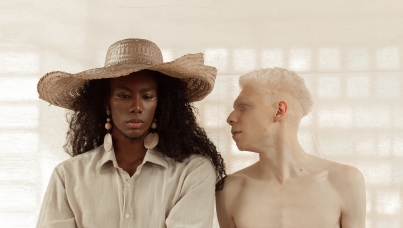
Around the world, inequality is a more salient issue for younger generations, who are also less likely than older people to believe they live in a society that rewards merit and hard work. But there are some important differences between different groups in how inequality is defined, and who is thought to suffer because of it.

How research can help understand and close the gap in inequality

In our latest white paper 'More equal than others', we delve into the challenges posed by inequality, highlighting its various dimensions and shedding light on the imperative for proactive efforts to address it head-on.

Pride month 2023: 9% of adults identify as LGBT+

Public opinion across 30 countries is widely favorable to protecting transgender people from employment and housing discrimination, but divided on other measures
Gender Survey

International Women's Day: Global opinion remains committed to gender equality, but half now believe it is coming at the expense of men

Ipsos unveils a new global study carried out in 32 countries in collaboration with the Global Institute for Women’s Leadership at King’s College London for International Women’s Day.

IWD 2022: Women are more likely to perceive institutional bias against them

Women are more likely to perceive institutional bias against women than men, particularly governments and social media.