

Understanding Asia | 1975 vs 2025: Happier Then, Healthier Now
Across 30 countries, 55% say people were happier in 1975, showing that even as societies have developed, it has not always felt better. The results suggest that progress has not translated evenly into greater fulfillment, hinting at a more complex relationship between development and contentment.
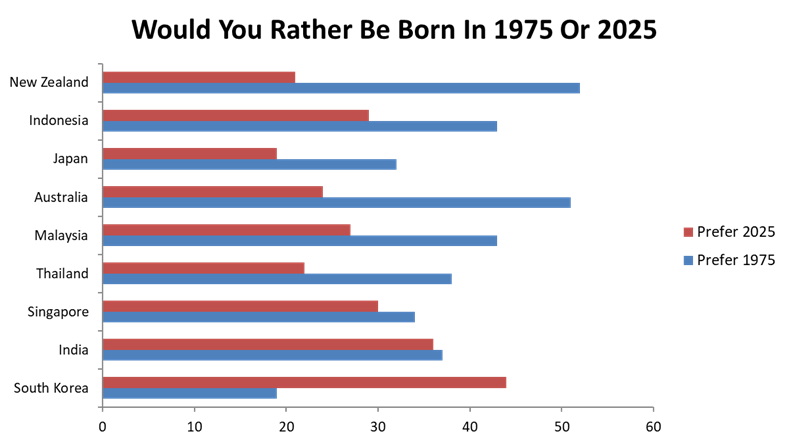
Figure 1. Would You Rather Be Born in 1975 or 2025? – APEC Countries
Most APEC countries lean nostalgic, preferring 1975 as a better time to be born. South Korea and India are the exceptions, with more respondents choosing 2025 — reflecting lived transformation and forward-looking optimism.
Source: Ipsos Global Advisor: 1975 vs 2025, October 2025, p. 5–7
In Asia, sentiment is divided. South Korea is the region’s lone exception. It is the only country where more people say they would prefer to be born in 2025. This optimism reflects a lived transformation from poverty to prosperity within a few generations, shaping how people view opportunity and personal progress.
Across much of Asia, people recognize that certain aspects of life have improved. Around 80% in Singapore and more than 85% in South Korea say healthcare is better today and strong majorities also see gains in education. For many, schools, hospitals and rising living standards represent the most tangible proof that development has delivered.
Yet when it comes to how life feels, sentiment is far more strained. More than half say people were safer in 1975, and six in ten believed the environment was better then. Stress, cost-of-living pressures and rapid social change contribute to the perception that modern life is demanding, even as tangible conditions improve. Asian nostalgia is pragmatic, shaped by the pressures of living in present time.
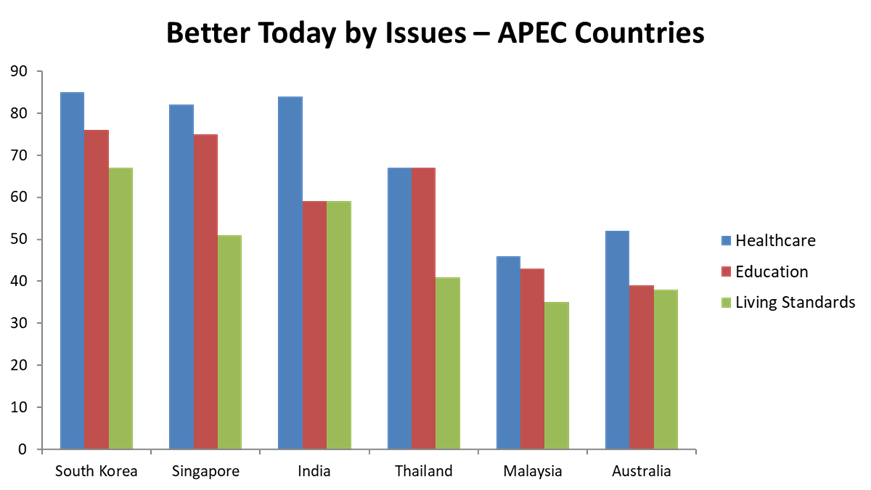
Figure 2. Better Today by Issues – APEC Countries
Across APEC, optimism about healthcare and education far outweighs nostalgia. South Korea (85%), Singapore (82%) and India (84%) lead in perceiving tangible progress, while optimism across Southeast Asia is more measured.
Source: Ipsos Global Advisor: 1975 vs 2025, October 2025, p. 17–19
Local perspectives underline this tension:
For many South Koreans, "the Korea of today" feels like a much better life than the poor and insecure times of the past. In other words, the past is perceived as a symbol of deficiency and the present as a symbol of achievement,
– Hwanglye Park Country Manager, Ipsos in South Korea.
For a generation born after 1975, there is a nostalgia for the simple idyllic past they never lived in… a sincere acknowledgement of the lift in quality of life, but equally conscious of the price paid for progress… a shift from contented living in close-knit villages to a competitive, fast-paced urban society,
– Arun Menon Country Manager, Ipsos in Malaysia.
People tend to remember the positive aspects… Today, despite advancements in technology, medicine, and human rights, the future seems more uncertain,
– Shunichi Uchida Country Manager, Ipsos in Japan.
The gap between material progress and emotional ease defines the region. The past may feel simpler, but the future still holds meaning for those who see progress and opportunity expanding around them.
The author(s)
-
 Gillian GuerinRegional Director, Marcom APAC


