
The UAE in flux
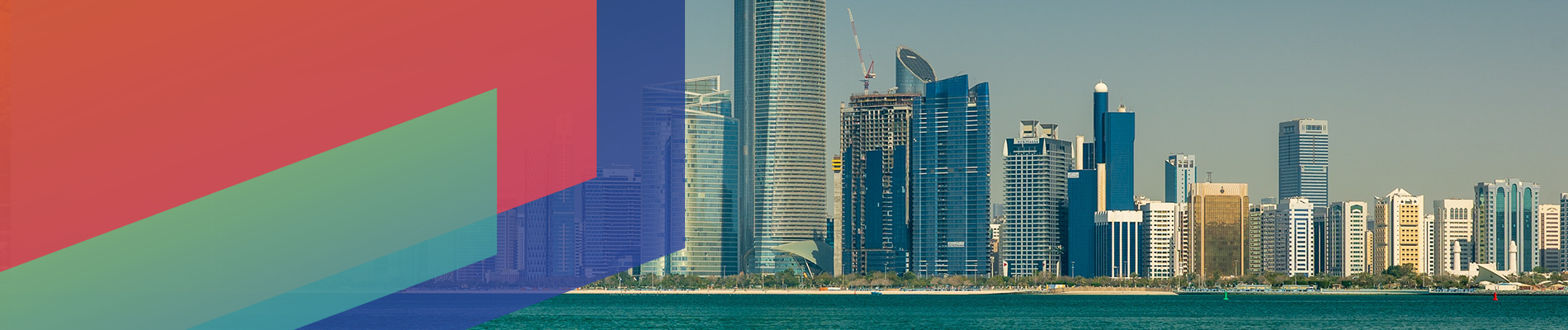
Amidst the vast, golden stretches of the Middle East, the United Arab Emirates (UAE) stands out as an emblem of transformation, not just economically or culturally, but environmentally. With the upcoming COP28 set to unfurl in the UAE, there's a sharpened focus on environmentalism — a theme resonating deeply within the nation's socio-economic fabric. Recent data sheds light on this delicate intersection of global challenges, national priorities, and individual beliefs.
The numbers are telling: 59% of UAE residents recognize climate concerns as among the top global challenges. As COP28 looms, this statistic assumes profound significance, signalling a populace both informed and concerned about the world's environmental future.
However, environmental awareness isn't confined to grand global summits; it permeates daily life and choices. When UAE consumers decide where to spend their dirhams, 27% prioritize brands that champion social responsibility and eco-friendliness. In a land synonymous with luxury, such data underscores a tectonic shift in consumption patterns, influenced in no small part by the looming spectre of environmental crises.
Sustainability, often a buzzword in corporate parlance, finds genuine traction in the UAE. An overwhelming 99% of its people understand the term. Their conceptual grasp isn't superficial — it spans diverse facets like renewable energy, recycling, and pollution control, hinting at an educated populace poised to demand and drive change.
Yet, for all the forward-leaning sentiments, there's a pragmatic underbelly. 62% believe in prioritizing the economy, potentially at the environment's expense. This statistic crystallizes the challenging balance the UAE must strike as it stands on the world stage during COP28: marrying its ambitious economic dreams with global sustainability imperatives.
As discussions for COP28 intensify, debates on who should shoulder the brunt of sustainability are in full swing. 49% look to governments, viewing them as the primary custodians of sustainable futures. Businesses, vital cogs in the nation's economic engine, are seen by 26% as the torchbearers of green change. Meanwhile, 25% advocate for a consumer-led revolution.
The sectors in the limelight, as per public perception, range from technology and hospitality (with 38% and 37% approval respectively) to the historically pivotal oil & gas, which garners a positive sustainability nod from 33% of respondents. As the nation prepares to host COP28, these figures are set to influence international negotiations and strategies.
Yet, environmentalism doesn't exist in isolation. It interlinks with global concerns like inflation, now the number one worry for people of UAE. As the cost of living rises, so do concerns about the planet's health — both are inextricably intertwined in the public consciousness.
To distil the essence, as the UAE prepares to host a seminal event in the global environmental calendar, it emerges as a country of more than just skyscrapers and sand dunes. It's a land of dynamic tensions and hopes, where ancient traditions meet innovative solutions, and where the pulse of environmentalism beats ever stronger amidst global and local crosscurrents.
Panicos Ioannides
Country Manager, Ipsos in UAE