
South Africa: Our blood is green
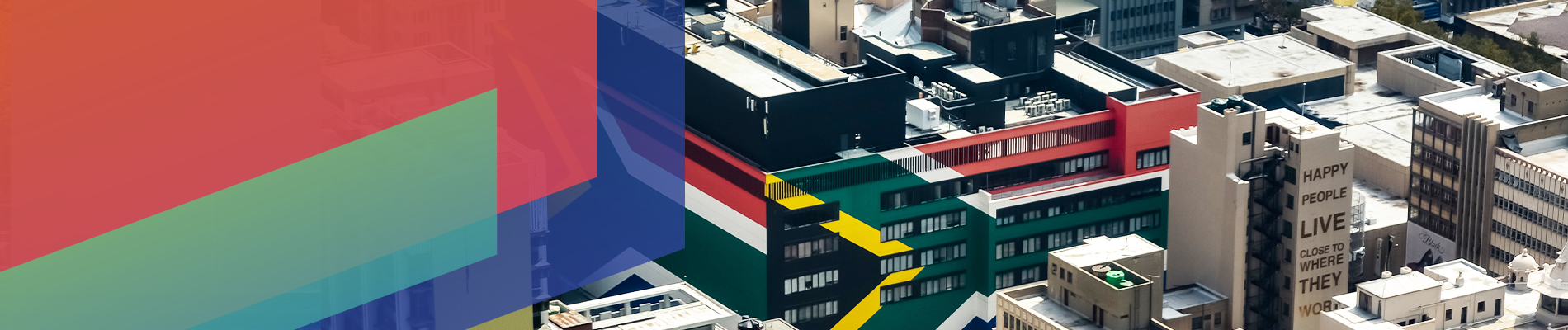
The glue of rugby
Winning by the narrowest of margins – only one point ahead in three consecutive games – the Boks have done it for the second time in a row, bringing the holy grail of world rugby “home” and making all supporters of Siya Kolisi and the Green and Gold team immensely proud and happy. South Africans have been riding on a wave of unity, national pride, and rugby fever for the last two months. By winning, the Springboks have done more for nation-building than any politician, programme, or plan to unite South Africans that has been made over the last 30 years of African National Congress (ANC) rule.
Movies have been made about the story of the Springboks and South Africa; articles and books have been written about it – but one day we should undertake a comprehensive research project to explain the total transformation of rugby from an elite “white” sport to the glue that is keeping South Africans of every hue, conviction and colour together. Long may it last! #strongertogether #ourbloodisgreen.
The SOE’s have failed
State Owned Enterprises have continued their downward slide during 2023. Eskom, the electricity provider, had its worst year to date with continuous blackouts (called “load shedding” here) for the first three-quarters of the year. Almost seven in ten South Africans (69%) are saying that the ANC will suffer at the ballot box next year because of load shedding and almost half (45%) are saying that they might not even vote, to register their feelings about Eskom loud and clearly (Ipsos South Africa, Khayabus, Wave 1 2023).
This year, the woes of darkness have been joined by the woes of thirst (so to speak). South Africa’s biggest city, Johannesburg, has been subject to the results of bad administration and insufficient maintenance of infrastructure from the side of the water provision utility. This has resulted in taps continuously running dry – even though the big water reservoir catering for Johannesburg and the whole Reef area (the Vaal Dam) is full.
However, the biggest SOE failure must be Transnet – as Transnet’s rail operations are a crucial cog in South Africa’s economy. They are responsible for moving most of the iron ore and coal that is produced in the country and then taken around the world. Transnet’s inability to transport sufficient volumes of commodities to posts is expected to cost the economy around R353billion in 2023. (This is almost R1billion a day!) This means that the economic growth of 0.5% expected for 2023 could have been 10 times higher at 5.4%. The nearly 5% GDP “loss” is catastrophic and could have been worse at higher commodity prices.
Turnout is the key
South Africa is bracing itself for its next general election, which should take place between May and the middle of August 2024. Currently, support for the ANC measures around 42% and support for each of the two biggest opposition parties around 18%-20% (Ipsos South Africa, Khayabus, Wave 1 2023, Pulse of the People™). About 42.3 million South Africans are eligible to vote, however, despite efforts of the IEC (Independent Electoral Commission) and political parties only 26.1 million are registered to vote.
Turnout for elections has dropped lower and lower with every election since 1994 – 2024 will be no different. In spite of speculation about a possible coalition government, a low voter turnout will favour the ANC (the ruling party) and possibly push ANC support over 50%. The “stay-away-from-the-polls” mindset is more of an urban phenomenon and the ANC, with its strong rural base, will benefit from such a development. A high voter turnout looks improbable against the background of the current mood in the country, which is manifesting in a deep distrust of politicians and political parties. A medium turnout (between 45% and 50% of registered voters), still implies that the future of the country for the next five years will be decided by less than 30% of the population (Ipsos South Africa, Khayabus, Wave 1 2023, Pulse of the People™).
Kelly Arnold
Country Manager, Ipsos in South Africa