Mastering complexity: The path towards a cancer-free reality
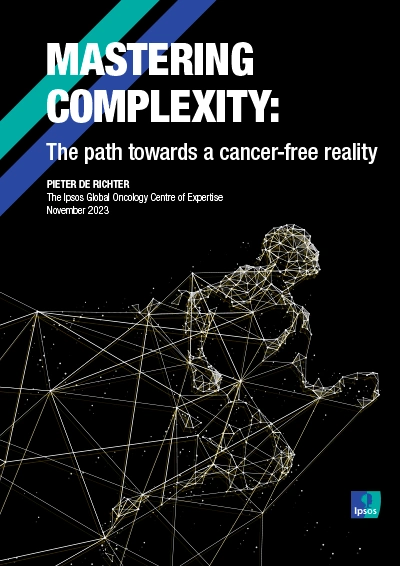 In our first two papers - Harnessing Complexity and Conquering Complexity - we discussed how companion diagnostics and other ongoing revolutions have advanced personalised medicine and transformed cancer care. We concluded the second paper with a brief look at a possible future, in which novel technologies would help us truly conquer complexity.
How realistic is that objective, really? Can we actually become masters of the complex biology that rules cancer, ending a battle that has been raging since long before our species existed? And if so, what will this truly take? What types of technology are on the horizon that will keep us on the path towards mastering complexity?
This final instalment in our ‘Complexity’ series suggests answers to these questions, and many more.

![[Webinar] KEYS: The Ipsos Generations report](/sites/default/files/styles/list_item_image/public/ct/event/2026-04/ipsos-keys-webinar-generations.webp?itok=WSKMxViW)
![[Webinar] KEYS: Battle For Attention](/sites/default/files/styles/list_item_image/public/ct/event/2026-02/keys-webinar-battle-for-attention-carousel.webp?itok=zWgfSYaM)