當今的銀行客戶正面臨著無論在資金、時間效率與安全性上更多元的產品與服務的競爭。消費者面臨的挑戰是如何選擇最適合他們需求的銀行,然而,當所有銀行業者都提供相似度極高的商品與服務時,消費者如何決定什麼才是最好的選擇呢?
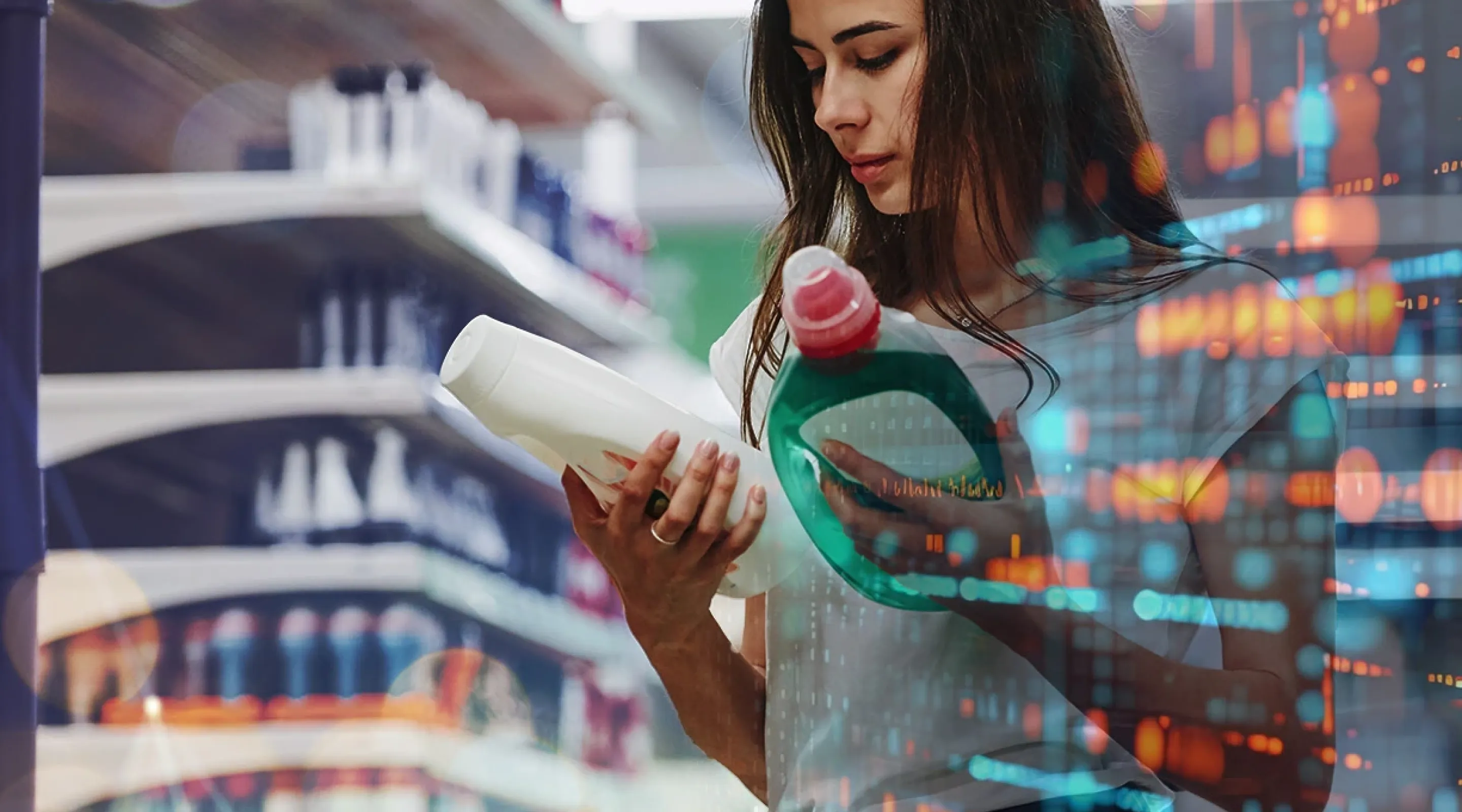
The current banking client is faced with a broad offer in terms of products and services that involve mobility, time savings and security. The challenge for the customer is to select the bank that fits their needs, but how can they determine what the best option is if all of them have almost the same offering?
隨著越來越多品牌預期開始承擔社會責任的議題並接受在社群網站上短暫的抵制。
As more and more brands take on social issues, acceptance of short-term backlash, particularly through social media, will be par for the course.
台灣的直播平台如雨後春筍般出現,無論是Facebook、Instagram或YouTube的直播功能,或是17直播、抖音、Twitch、Live.Me等直播平台,各式平台功能都宣告全民直播時代來臨。Livestream platforms began to spring up everywhere, as the livestreams on websites (Facebook, YouTube, Instagram) and livestream platforms (17, TikTok, Twitch, Live.Me) announced the arrival of the livestreaming era.
益普索的這篇報告向客戶闡述如何在多變的的市場中生存以及如何應對突破性的改變。This report speaks to clients to find out how to survive in a transforming market and handle the changes disruption brings.
在益普索 “移動未來” 系列的白皮書中, 我們探討了汽車共享與共乘移動工具未來的發展趨勢。In The Future of Mobility series, Shared Mobility looks at the rise and development of car-sharing and ride-sharing.
我們身處的環境正在快速變遷,未來也會持續改變。在過去數十年間科技發展迅速,管理團隊每天必須要面對大量且多變的商業議題,比起過往變得更複雜且相互連結,商業環境正以更快速的步伐演化,透過企業形象的影響力可以更快速且有效的達到企業的商業目的。We are living in a fast moving and changing world. The development of the technology at an incredible speed over the past few decades while the management teams have to deal with tremendous and diverse business objectives that is much more complex and interconnected than the past. The business environment has evolved at an incredible rate while leveraging the corporate image can achieve the business objective more effective and efficiently.
換檔再上: 在汽車神秘客計劃中應當關注什麼呢?汽車製造商和經銷商對神秘客計劃又有何期待?Changing Gear - What should an automotive mystery shopping programme focus on? What do car manufacturers and dealers want from a mystery shopping programme?
在這個新的時代,任何瑣碎的一舉一動幾乎都可以被轉化在龐大的資料庫中,谷歌透過搜尋引擎建立廣大的資料庫,在網路上我們曾經搜尋過的關鍵字,點擊過的網頁、廣告、影片,都會被詳細的記錄下來,成為資料庫的一部分。
In this new era, almost every trivial trace could be transferred into tremendous database. Google builds database through their own searching engine, recording key words we’ve searched for, and websites, advertisement, videos we’ve ever clicked.
在當今超高速發展的世界中,“敏捷”(agile)是每個企業,每個行銷人員和每個研究人員都想要的。但究竟什麼是敏捷性呢?它只是意味著快速與靈活嗎?還是,還有更多呢?In today’s fast-moving, shape-shifting world, it seems virtually every business, every marketer, and every researcher wants to be agile. But, what exactly does agility mean? Or, is there more to it?