
The pink wave

On 6 August 2023, 17 days after its cinema release, Warner Bros announced that Barbie had surpassed the billion-dollar mark at the worldwide box office. Since then, having amassed $1.442 billion globally, the Mattel-produced film ranks 14th amongst the greatest international box-office successes. While the 2024 Oscar nominations are yet to be announced, Barbie is likely to make an appearance.
One of the reasons for the worldwide success of Barbie is the curiosity sparked by the theme of a feminist Barbie embarking on an quest for self-discovery and genuine happiness in the real world.
Nostalgia is a positive energy
 Barbie also led to the viral real world fashion trend of ‘Barbiecore’ – a testament to the power of nostalgia. Nostalgia allows the creation of a cosy, soft world – an antidote to today’s polycrisis, which among other crises includes climate change, terrorism, war, inflation and economic difficulties.
As our colleagues in Malaysia (where Barbiecore was as successful as elsewhere) observed, "this movement encourages people from all walks of life to take a moment and live like Barbie in the real world. The astonishing revival of Barbiecore reignited sparks of joy, escapism and fantasy during challenging times. Barbiecore evokes memories of a time when fashion, dreams and creativity were intermingled in the imaginary worlds created around these iconic dolls. For many, Barbiecore serves as a form of comfort—a visual and emotional return to the past that resonates with the joy, whimsy and often, the straightforwardness of youth”.
The cocoon of nostalgia
Nostalgia has been a force at play for several years in marketing, strengthening as crises mount. The more uncertain the future and the more daunting the present, the more necessary it becomes to seek refuge in a cocoon, to escape to a place that shields from a violent and harsh environment. With the polycrisis arguably worsening, many countries have seen an increase in nostalgic sentiment. Our latest Global Trends report finds big increases over the last 10 years in the proportion of people in China (+37), Sweden (+35), Brazil (+24pp) and Germany (+23pp) saying they would like their country to be the way it used to be.
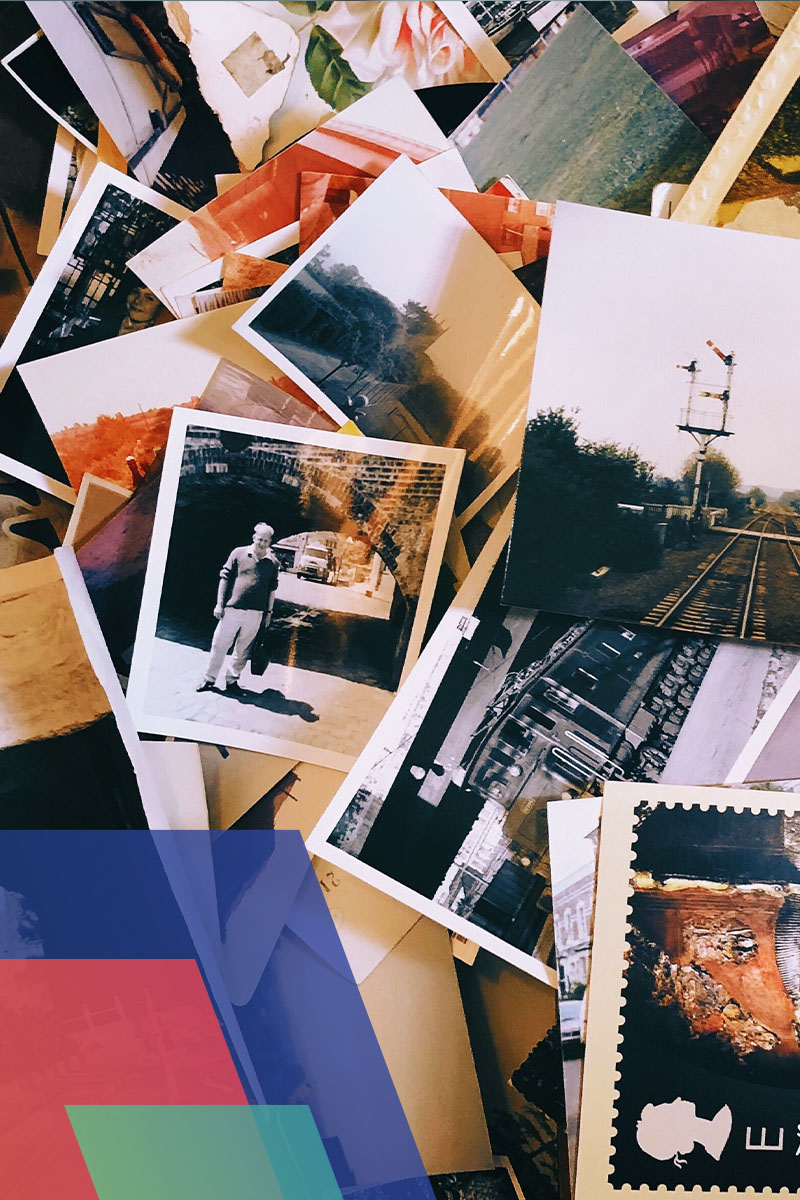
The ways nostalgia manifests are innumerable: retro-design in household appliances, vinyl reissues, polaroids, vintage fashion, cameras, disco…
But they all have the same thing in common: they evoke positive and endearing emotions through anthropomorphic references, bring back memories and moments with parents and childhood friends, and connect to the past and its values.
Like Barbie, which harks back to eras seen as happier than our own and to personal recollections of being a young girl or boy, nostalgia marketing operates on the principles that time should be frozen and that "yesterday was better than today and much better than tomorrow".
Barbie introduces unique aspects: play, imagination, envisaging oneself in a universe where anything is achievable, much like in Alice in Wonderland where it is perfectly ordinary to enjoy a tea with a hare, a cat, and a dormouse.
Nostalgia is the time of happiness
The potency of nostalgia marketing lies in its ability to transcend the memories of any one individual, going beyond the memories of any individual person. It is a collective creation fuelled by cinema, advertising, packaging, the media and stories. It intentionally forgets historical reality (wars, diseases, social crises, etc.) and only considers the past as the ultimate reference, a reservoir of unsurpassable and authentic know-how and traditions (whether that be gastronomic, aesthetic, artistic or something else altogether).
Nostalgia is synonymous with local, small, authentic, human, history, transmission, solidity, and consistency (the products of yesteryear have survived all the crises and are still there). Nostalgia is rich in emotions and stimuli combining childhood, family, real and imaginary good memories, softness, comfort, wellbeing, in one word: “meaning”.
Nostalgia is a feeling we all agree on, regardless of age, gender and culture. As such, nostalgia promotes empathy and helps create a bond with people who reminisce about the same times, even if they did not know each other then.
Nostalgia has global icons: Marylin Monroe, Edith Piaf, Elvis Presley, The Beatles, Barbie (of course) who embody unique historical and social momentums. Mass consumption offers a wonderful theatre for nostalgia and many products – whether a ham, a soap, or even a lemonade – are now described as “old-fashioned”.
Brands play into nostalgia in many ways, by leaning on a date (e.g. “Since …” from the Middle Ages to the 1970s), a founder identified by his first and last name, a professional gesture (moulded, woven, handcrafted etc.), old sepia or black and white images.
The risks
There are several risks of nostalgia marketing. It can sit at odds with the reality of the brand (what if it has been bought by a global agri-food company few years ago?) and of the products (what is the value of a medal from the 1900 Universal Exhibition on a box of cheese or a bottle of whisky?). It can also put the product at odds with the consumer, if they know how to decode authenticity, or if outlooks change and they instead want to project themself into the future.
During challenging times, the positivity and nostalgia of Barbiecore provided a comforting escape, embodying optimism, glamour spirit, and feminine expression. It offered a sweet respite - a pair of rose-tinted glasses positivises life!
In today’s interconnected world, powerful brands are touchpoints that can truly provide a universal narrative to connect people from across geographies, age groups and genders.