
Bulgaria: A patchwork of crisis
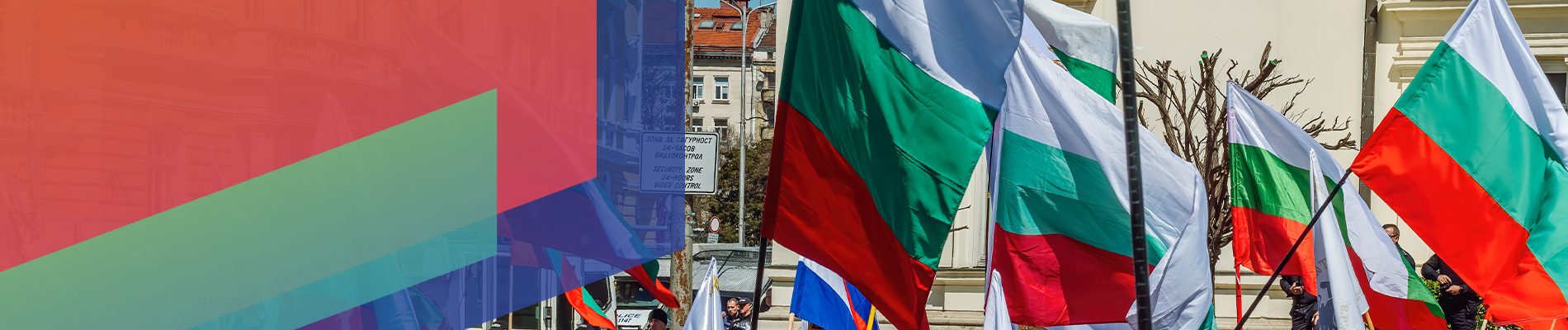
The first half of 2023 passed under the sign of yet another general election (the fifth in just two years) and a rotation government was formed in a last-ditch effort to avoid a political catastrophe. Thus, a coalition was born between parliamentary parties who had traditionally confronted one another so fiercely that they had to shy away from the term “coalition” by defining their government as “patchwork” instead. This gave new momentum to the subject of grand corruption. The topic of media independence was also brought up later this year when a high-level manager at a leading national media was endorsed as a mayoral candidate for the capital by one of the leading parties.
This disruption of the media environment unfolds in a climate of active disinformation, propaganda, and fake news. The Ipsos Flash Eurobarometer survey reveals that well over 50% of Bulgarians have been exposed to fake news and disinformation in the last week. 55% of them believe that this happens to them “very often” or “quite frequently”. Their share is the highest throughout the EU. The national TV and radio score below 44% in credibility, while the private electronic media gain the trust of a mere 21%. Even widely recognized channels such as Euronews cannot escape the trap of partiality in a country where business and politics coexist in a snug partnership. In early October, journalists quit en masse the Bulgarian representation of Euronews in remonstrance against their management’s attempts to skirt the standards of this international media.
The deepening of the value crisis is demonstrated by widespread aggression in all forms imaginable – from reckless driving to outrageous acts of violence against women. One of the particularly appalling attacks brought to the streets thousands of people who avowed their stance against abuse and violence. This value crisis seethes in an atmosphere of general apathy that lulls the civic society – even the intensifying Euroscepticism and the budding support for far-right parties seem unable to motivate most people to go cast their vote; the fourth and fifth general elections in the last couple of years barely scored around 40% activity.
The sense of insecurity shifts consumer behaviour towards more rational choices, i.e., people favour alternative brands or the ones on promotion at the expense of higher-priced products and services. This trend also affects the ‘wining and dining’ industry. Data from the Ipsos Syndicated HoReCa survey carried out in the summer of 2023 indicates that an increasing number of customers prefer home-cooked food, and half of respondents are trying to limit their eating out in a bid to scrape by.
In this markedly competitive and price-conscious environment, brands would be well-advised to stay agile and alert, to keep abreast of shifting consumer attitudes and behaviour, so that they may excel by staying relevant to consumer needs.
Iva Dimova
Country Manager
Ipsos in Bulgaria