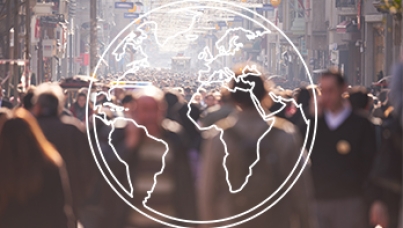
The average global economic assessment of national economies surveyed in 28 countries is remains unchanged this wave with 47% of global citizens rating their national economies as ‘good’.
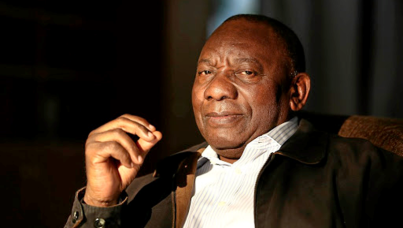
“President Cyril Ramaphosa will probably be the single biggest vote winner for the ANC in next year’s general election, if all goes according to (his) plan”, says Mari Harris, Director and Political Analyst at leading research company Ipsos. “This view is based on findings from Ipsos’ first ever Mobile Pulse poll which found that 82% of registered voters who have access to mobile phones currently approve of Ramaphosa’s running of the ANC.”
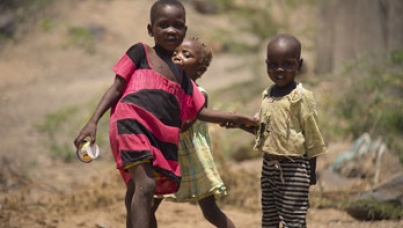
To recognise the day, we’ve put together a couple of insights about building an emotional connection with the African consumer, gleaned from a few different research projects and our experience of the region.
In a new global Ipsos survey, carried out online in 28 countries including South Africa in the run up to the upcoming royal wedding between Prince Harry and Meghan Markle, levels of interest in the royal wedding as well as wider feelings towards the royal family and its members has been examined. The survey included South Africans who have regular internet access and therefore represents that portion of the population rather than being fully representative.
Globally half think socialist ideals are of great value for societal progress, in South Africa 57% of “connected” South Africans share this opinion. With the 200th anniversary of Karl Marx birth on Saturday, Ipsos undertook an internet survey probing some aspects regarding socialism.
Welcome to Ipsos Update – our monthly selection of research and thinking from Ipsos teams around the world. May’s edition includes new papers on viewability and modern partisanship, as well as global studies on ‘natural’ food, self-driving cars and societal divides.
The average global economic assessment of national economies surveyed in 28 countries is remains unchanged this wave with 47% of global citizens rating their national economies as ‘good’.
Why have some companies succeeded and others failed in Africa? International brands have extended their business models into Africa, and set up shop: investing in infrastructure by means of supply chains and distribution networks, creating employment, and relentlessly driving their brands on the market, only to close-up shop when great expectations floundered.
Welcome to Ipsos Update – our monthly selection of research and thinking from Ipsos teams around the world. April’s edition features our Flair France report, a global study on gender equality, a report on Russian outbound travel trends and a paper examining purchase decisions from a behavioural science perspective.
The average global economic assessment of national economies surveyed in 28 countries is down one point this wave with 47% of global citizens rating their national economies as ‘good’.
On Human Rights Day it is important that we look at how South Africans experience the practice of their human rights – and clearly, they feel as if equal human rights are still not within our grasp.