Canadians Show Strong Support for Athletic Therapy for Comprehensive Benefits
Toronto, Canada, December 3, 2025 — A new Ipsos poll conducted on behalf of the Canadian Athletic Therapists Association finds that Canadians support the integration of a range of therapeutic measures for injury treatment into insurance and tax structures. Canadians also strongly support Athletic Therapy as having major benefits to the Canadian economy and healthcare system as a treatment option, helping Canadians return to their normal activities.
Nearly All Canadians (96%) Agree Employers Should Cover Range of Injury Treatments
Just over four in ten (44%) Canadians say they are or have been injured in a way that impedes or has impeded them from being fully functional at work, at home, or at play, translating to approximately 14,964,167 Canadians across the country.[i] In considering the fact that injuries cost Canada almost $30 billion each year, nine in ten (91%) of Canadians agree that helping people get back to full function faster has major implications for Canada’s economy.
Treatment for injuries can take many forms, and nearly all (96%) Canadians agree that it is important for employer health plans to cover a range of treatments of injuries so that employees can access the treatment that works best for them – which can, in turn, help employers attract and retain talent, according to 94% of Canadians.
Agreement that employers should cover a range of treatments rises with age (99% 55+, 96% 35-54, 91% 18-34). Further, 92% agree that when people spend money on a proven therapy to address an injury, they should be able to claim it on their income tax, again higher among older Canadians (95% 55+, 93% 35-54, 87% 18-34).
Canadians Strongly Support Athletic Therapy and its Integration into Employer Health Plans, Medical Expense Tax Credits
When thinking about different forms of therapy for injuries, unprompted awareness Athletic Therapy – a form of therapy focused on getting people who have been injured back to fully functional as quickly as possible adhere to the Sports Medicine Model of care – sits at 48%, behind Physical Therapy (90%) and Occupational Therapy (77%) but ahead of Active Release Therapy (14%).
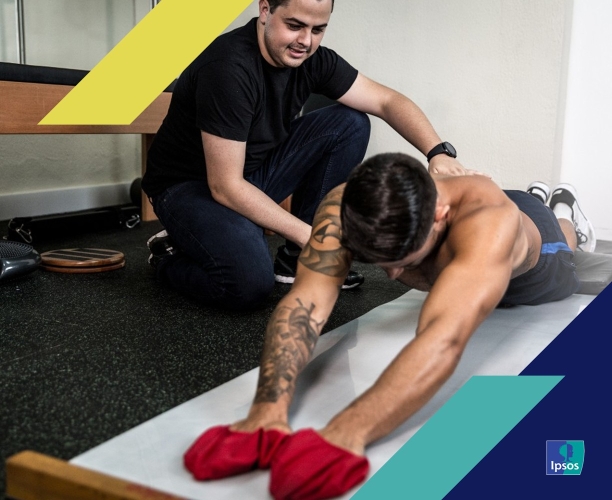
When prompted with more information about Athletic Therapy – that it treats a wide range of patients, from kids with concussions to seniors recovering from hip replacement surgery, using various manual therapies, modalities, exercise prescription, and even bracing and taping – Canadians are overwhelmingly in support of its use:
- 91% agree that Athletic Therapists can reduce strain on doctors and hospitals by providing specialized recovery care;
- 90% agree that Athletic Therapy helps people recover faster, reducing time off work and the economic impacts of injury; and
- 89% agree that people should be able to obtain a medical expense tax credit for Athletic Therapy, just as they do for other types of therapy.
Strong majorities also agree that Athletic Therapy should be added to the options available in employer health insurance plans (89%) and that they would like to have access to Athletic Therapy if they were injured (86%).
Notably, comparing responses among those who say they have heard of Athletic Therapy before to those who have not, agreement is significantly higher across all attributes among those aware of Athletic Therapy. Agreement is also higher among those who say they have been injured in a way that impeded their functionality compared to those who have not.
Looking at demographic differences:
- Canadians age 55+ are more likely than younger age groups to support the inclusion of Athletic Therapy in employer health insurance plans (93% vs. 91% 35-54, 83% 18-34), and to agree that Athletic Therapists can reduce the strain on the healthcare system (95% vs. 91% 35-54, 84% 18-34).
- Women are significantly more likely than men to agree that one should be able to obtain a medical expense tax credit for Athletic Therapy (92% vs. 86% men).
About the Study
These are the findings of an Ipsos survey conducted on behalf of the Canadian Athletic Therapists Association that was fielded between November 7 – 9, 2025. A total of n=1001 Canadians aged 18+ participated in the survey. Quotas and weighting were used to ensure the sample's composition reflects that of the Canadian population according to census parameters. This survey has a credibility interval of +/- 3.8 per cent 19 times out of 20, of what the results would have been had all Canadian over 18 been surveyed.
For more information on this Factum, please contact:
Sean Simpson
Senior Vice President, Ipsos Public Affairs
[email protected]
About Ipsos
Ipsos is one of the largest market research and polling companies globally, operating in 90 markets and employing nearly 20,000 people.
Our passionately curious research professionals, analysts and scientists have built unique multi-specialist capabilities that provide true understanding and powerful insights into the actions, opinions and motivations of citizens, consumers, patients, customers or employees. Our 75 business solutions are based on primary data from our surveys, social media monitoring, and qualitative or observational techniques.
“Game Changers” – our tagline – summarizes our ambition to help our 5,000 clients navigate with confidence our rapidly changing world.
Founded in France in 1975, Ipsos has been listed on the Euronext Paris since July 1, 1999. The company is part of the SBF 120, Mid-60 indices, STOXX Europe 600 and is eligible for the Deferred Settlement Service (SRD).
[i] Source: Population estimates, quarterly.