
Impact of the Middle East Crisis on Urban Indians
Periods of global conflict often act as inflection points for consumer behaviour, and the ongoing US-Iran tensions are no exception. While geographically distant, such events can quickly translate into local economic anxieties for Indian consumers, particularly around inflation, supply stability, and income security.
In a hyper-connected environment, real-time news exposure is accelerating the pace at which these concerns take shape, influencing not just sentiment but also day-to-day decision-making.
For businesses, this creates a rapidly evolving landscape where consumers are likely to re-evaluate priorities, shift spending patterns, and become more value-conscious. Early signals of such shifts are critical, helping brands anticipate demand changes, identify at-risk categories, and adapt pricing, communication, and portfolio strategies accordingly. Understanding the pulse of consumers in real time is therefore not just diagnostic, but a strategic imperative to remain relevant, responsive, and trusted in times of uncertainty.
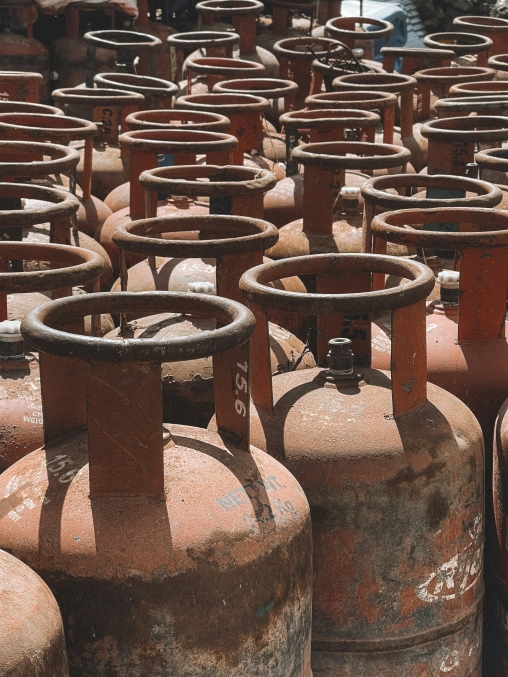
Ipsos Consumer Pulse #1
The first dip of the consumer opinion tracker on the Middle East Conflict captures early signals on consumer sentiment, spending behaviour, and expectations in light of the ongoing situation. The findings highlight emerging caution, rising inflation concerns, and early behavioural shifts, making this a highly relevant and timely piece for marketers.
Ipsos India will track the consumer opinion and sentiment over the next few weeks to bring valuable insights to marketers directly from the consumers.
You have the option to tag a few questions of your own in the tracker.
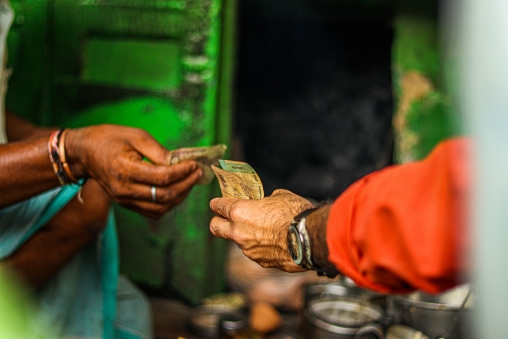
Ipsos Consumer Pulse #2
The second dip of the opinion tracker on the middle east conflict helps us understand how consumer reactions are progressing over time and highlights the extent to which the ongoing situation is beginning to influence day-to-day decision making.
This dip indicates that sustained high awareness of the conflict continues to fuel consumer concern, with many expecting disruptions to persist over the coming months. Inflation anxieties are deepening, particularly regarding fuel, food, and imported goods, leading consumers to adopt a more cautious, savings-oriented mindset. While spending contraction remains measured rather than drastic, discretionary and big-ticket purchases are increasingly vulnerable, with consumers prioritising affordability, price stability, and reliability in their purchase decisions.
Understanding Asia | Asia Pacific at an Inflection Point
Ipsos is also tracking this across the region.
The Iran conflict is sending shockwaves across the Asia Pacific. This has implications for economic stability, energy security, consumer confidence, and geopolitical perceptions.
Ipsos’ Global Consumer Confidence Index is down 2.7 points this month and sits at 46.7. Many countries are feeling negative effects as a result of the ongoing U.S.-Iran War, which is now in its third month. Consumer confidence has declined particularly sharply in Asia, in falls not seen since the COVID-19 era.
Five of the six largest declines came from this region: Thailand (-10.9 points), Malaysia (-6.1 points), South Korea (-5.1 points), Japan (-4.7 points), and Australia (-4.6 points). At this point in time trust in Brand America is weakening—only 39% across 30 countries now see the U.S. as a positive force—while China’s influence is rising, especially in ASEAN. Nationality is no longer a passive label; it is a decisive signal shaping brand trust and purchase intent.