Indonesia’s automotive sector is a growing and increasingly strategic industry. However, despite government promotions of electric vehicles, high costs and lack of infrastructure remain significant barriers.
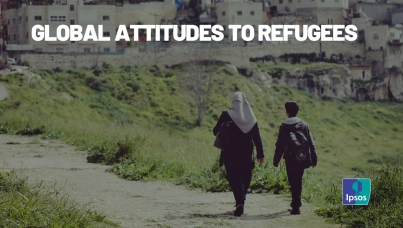
A new 52-country survey from Ipsos and UNHCR for World Refugee Day 2024 reveals enduring public support for refugees, alongside stark variations in attitudes.
Digital therapeutics (DTx) are emerging as a potential game-changer in healthcare, offering evidence-based digital interventions to help prevent, manage, or treat specific conditions.
Brands are moving from performative activism to actively engaging with causes their customers care about. This shift ensures genuine impact, avoids "washing" accusations, and builds trust by aligning with consumer values and providing tangible results.
National food brands are struggling due to inflation, losing market share to cheaper private labels. Consumers question their value proposition and transparency, while retailers have become more vocal. National brands need to justify their prices, rebuild trust, and communicate effectively to stay relevant. What lessons can be learned from winning brands?
Last year’s Rugby World Cup saw brands leveraging sponsorship opportunities, with most sticking to traditional themes. However, Volvic's campaign featuring Antoine Dupont in a nature setting, emphasizing personal connection and values, stood out, highlighting a potential shift towards more empathetic and meaningful sports advertising.
Esports has exploded in popularity, especially among young males, attracting major sponsors like Orange and Michelin. Teams, often backed by venture capital and led by influencers, rely heavily on sponsorships for revenue. Women's esports are also growing, with support from brands like Aldi. France, with its large fanbase and government support, is poised to become a major esports hub, especially with Paris hosting the 2024 League of Legends World Championship.