
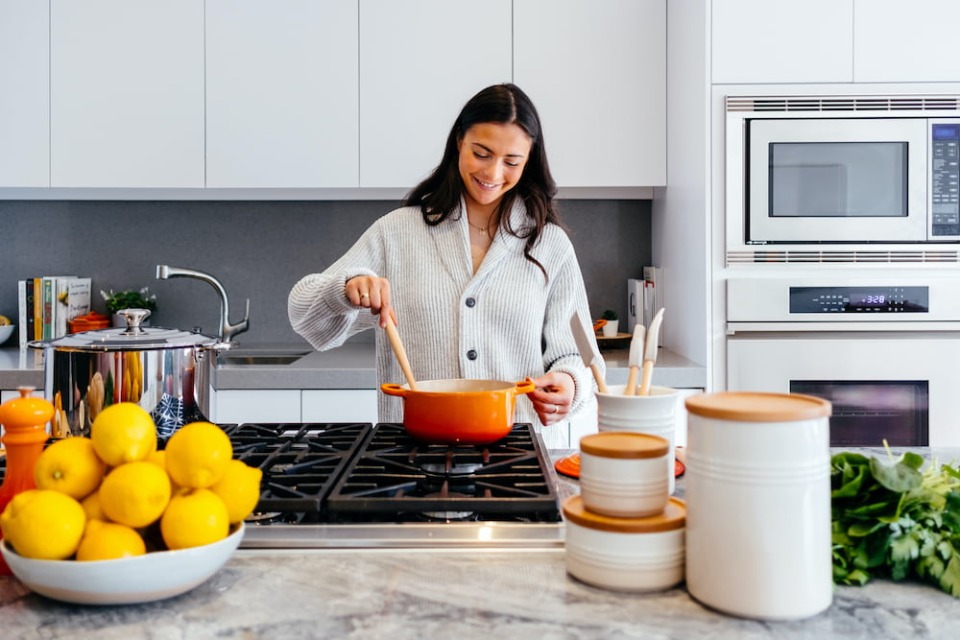
The new "eating well", a pleasure for the sake of health
The first issue: how to eat healthier? How to have fun? How to improve the moments spent together around a meal? Where to find raw, labelled, easy to cook products? How to get away from junk food?
Internet users' searches on Pinterest, the flagship application for inspiration in all types of areas, clearly reveal Internet users’ interest in in "eating healthy". At the beginning of January 2021, when we type the word “recipe”, the first suggestion from the search engine is “healthy recipe”. This frequent search was not overtaken by recipes for Christmas dishes or shortbread, which are suggested only a few lines later.
However, enjoyment and health are not opposed in the eyes of consumers, on the contrary! Recipes for veggie burgers, vegetable pizzas, even lentil salads with lean meats are all solutions to new kinds of health expectations. Consumer are eating to strengthen their body and prevent the effects of Covid-19, while staying with tradition or improving on it because traditional dishes have something reassuring about them.
One of the consequences of the crisis is this trend that aims to (re)reconcile health and tradition, or more precisely to reinvent tradition by making it healthier, by creating a bridge between the desire to indulge and health benefits.
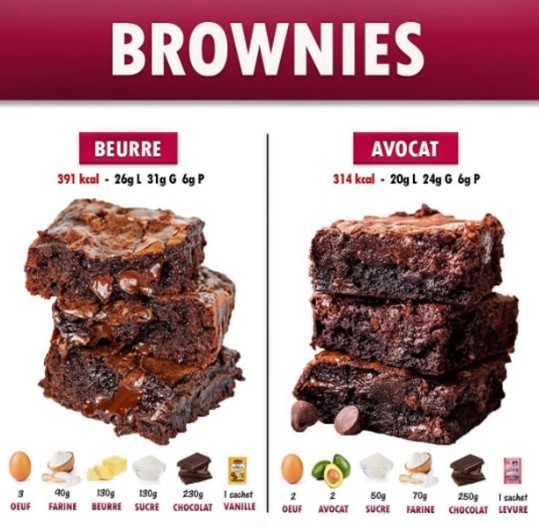
On social networks, health "food hacks" are all the rage: influencers share tips for replacing an unhealthy ingredient with a healthier one, without taking anything away from the enticing character of the dish!
In the context of a crisis that seems endless, wellness of the body and wellness of the mind are complementary. The first to boost morale, rediscover childhood pleasures, and the second to reduce fat, sugar, heaviness, to favour freshness, lightness, vitamins and proteins, and to strengthen oneself with nutrition.
Consumers are interested in products positioned more and more exclusively on health, such as probiotics, fermented teas, immune system boosters, but they still have many questions: do these products really work? Isn't it better to just eat a "balanced" diet)?
Similarly, the relationship with nutri-scores is mixed. Their consultation has been greatly accelerated by the health crisis but doubts about their relevance are also expressed. The evolution of online discussions around the nutri-score illustrates this mixed perception. The volume of posts mentioning the nutri-score has doubled between 2020 and 2021, but behind this increase, there are actually two subjects with a completely opposite tone. In May 2021, the media and Internet users enthusiastically relayed the forthcoming arrival of the nutri-score on McDonald's products and, a few months later, in October, the debate raged around the potential imposition of the nutri-score on the Roquefort PDO: is it relevant to sanction a product that is certainly rich, but which can simply be consumed in moderation? The ironic answer is: “I know that sugar is 100% sweet and butter is 100% fat.”
The second issue: the relationship to time.
Lockdowns and curfews, along with working from home, have broken down rhythms. Mealtime has become a lunch break between video calls, and we have had to organise our time between telework, break time, family time and integrate lunch (often previously left to the office or school canteen) into a shopping and cooking schedule.
Cooking more is both an additional task and a mental burden: how can we free ourselves from it and cook quickly?
Many households have rediscovered traditional practices: preparing everything at once, for the whole week, with a basic dish that can be enhanced as the week goes on by adding different ingredients or spices. This is batch cooking, most often done at the weekends. Popular dishes are made from rice, pasta, vegetables and chicken, among other ingredients. Casseroles and slow cookers have become key, and other recipes like quiches and other pies are popular as they can be kept for a long time.
The benefit is both in the time saved in making the meals (most recipes promise to do everything in two hours), in the time that we can enjoy spending in other ways since we no longer have to cook, and in the money saved, with economies of scale.
This new trend is reflected in the unprecedented rise of cookbooks, videos and how-to tutorials, with guides on equipment, seasonal calendars, preservation techniques, recipe ideas to avoid repetition, etc.
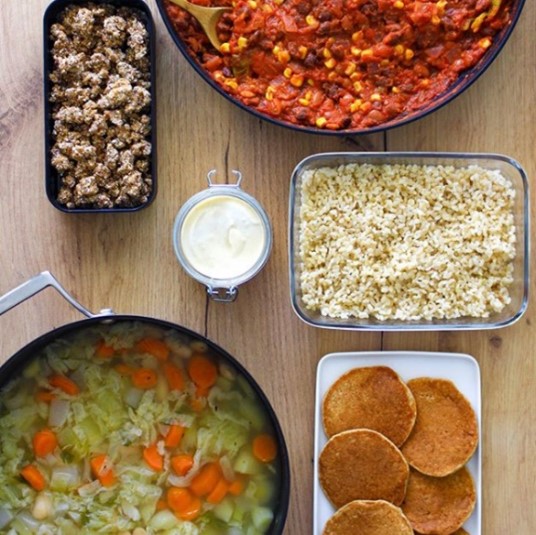
If you search for batch cooking on the Internet, you will find more than three million answers, a score unthinkable before the crisis.
This content responds to real consumer demand: Google searches around batch cooking increased by 38% between 2019 and 2020.
The other way of managing time is to do nothing yourself with home deliveries, or else to do the minimum by making use of the "gourmet" promise of frozen food distribution brands and Meal Kits,[1] two approaches accelerated by the crisis and that will last, especially among those who can order food at home. Meal delivery solutions such as Quitoque or Hello Fresh are now widely mentioned online (+61% of posts mentioning Hello Fresh in 2021 compared to 2020); the many reviews from influencers who have tested these boxes and the promo codes they share accelerated the adoption of these new offers.
The third issue, which summarises the two previous ones, is the question of creativity, which responds to two expectations: to provide affordable solutions from a financial point of view and to be attractive in terms of image and taste.
How to reinvent tradition? How to get out of routines while remaining practical? How to make everyday cooking something that you enjoy doing? And now, how to save money in an inflationary context?
Consumers are looking for ideas and sources of inspiration in all areas: balancing plates, finding healthy and tasty products, adapting dishes with new tastes, individualising portions. The new habits created during the pandemic and the diversity of solutions discovered online in guides, in TV cooking shows, or proposed by brands and distributors, have opened up new horizons with seeds, cereals, spices and exotic dishes, especially from West Africa.
The flavours of the world are often present in cooking-influencers’ posts on TikTok and YouTube. Through short videos they show how to make quick and easy dishes that change the daily routine and make your taste buds travel.
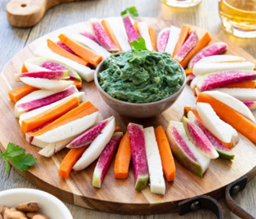
Finding and cooking alternatives to meat (considered too expensive and too common) without losing protein is also an opportunity to discover new culinary horizons.
On Instagram, vegan and vegetarian influencers compete with each other to offer colourful, striking and appetizing recipes.
On the budget side, zero-waste tips are more popular than ever: YouTube is full of videos of recipes for "recycling" leftovers. On TikTok, some influencers share tips for students on a budget. The hashtag #recetteetudiant is among the most used by chef Nabil Zem who is all the rage on the platform!
The web is also a key resource for putting together the best basket in terms of value for money, as illustrated by the trend of "shopping feedback" videos on YouTube.

After their purchases, Internet users share with their community the contents of their basket, highlighting the clever balance between... health, enjoyment and budget!
In conclusion, preparing and eating together is more than ever a social moment, consumers need more and more experiences and innovative solutions, they expect brands and retailers to be able to reconcile enjoyment and health while their purchasing power is threatened.
[1] Or Meal Box: available as part of a subscription or as a one-off order, delivered at home or purchased in store, a box brings together all the necessary ingredients pre-portioned most often for two people (e.g. an Italian recipe with a bag of pasta, tuna, olives, capers, tomato sauce, each canned, with spices and mini-bottle of olive oil) to prepare meals at home in twenty minutes.
| Previous |