Consumers Turn Cautious Amid Economic Uncertainty: Ipsos Consumer Pulse
Rising geopolitical tensions in the Middle East and increasing crude oil prices are beginning to reshape consumer behaviour in India. The latest Ipsos India Consumer Pulse survey reveals that Indian households are becoming more cautious with spending, stocking up on essentials and increasingly turning toward value-driven and fuel-efficient choices.
With uncertainty continuing around the Strait of Hormuz and the ongoing US-Iran conflict, consumers are preparing for sustained inflationary pressure in the months ahead.
According to the survey, nearly 9 in 10 consumers say they are likely to cut back on expenses if prices continue to rise.
Consumers Begin Tightening Household Budgets
Indian consumers are already reassessing how and where they spend. Nearly two-thirds say they plan to postpone large expenses, while 6 in 10 intend to reduce spending on travel and holidays. One in two consumers expects to dine out less, spend less on celebrations and cut back on fashion and lifestyle purchases.
Consumers are also likely to reduce spending on electronics, gadgets and entertainment subscriptions as household budgets come under pressure.
The survey indicates that consumers expect the Middle East conflict to continue for another 5.7 months. Against this backdrop, many anticipate changes in household spending over the next six months. While 46% expect to reduce spending slightly, nearly one-third say they may cut spending significantly, reflecting a notable rise compared to the previous survey wave.
Essentials Take Priority as Stockpiling Rises
One of the clearest behavioural shifts emerging from the survey is the growing tendency to stock up on essentials at home. On average, consumers are maintaining reserves that are nearly 2.5 times higher than usual, with at least three in four saying they intend to continue stockpiling.
Items being stocked include LPG cylinders, staples such as flour, cooking oil, sugar and spices, medicines and fuel. Consumers are also increasingly purchasing alternative cooking appliances such as induction cooktops and air fryers in anticipation of higher fuel costs.
Packaged foods, ready-to-cook meals, snacks, personal care products and household cleaning essentials are also seeing increased demand as consumers prepare for possible supply disruptions and future price hikes.
Consumers Expect Stability and Transparency from Brands
The survey shows that consumers expect brands to play a responsible role during this period of uncertainty.
At least 85% of consumers believe brands should take proactive measures. Three-fourths expect companies to keep prices stable and avoid unnecessary increases, a sentiment that has strengthened since the previous survey round.
Consumers also want brands to ensure uninterrupted supply, avoid shortages, maintain product quality and introduce value packs or smaller affordable formats. Many are also looking for clearer communication around pricing and supply-related changes.
Value Seeking Behaviour Becomes More Pronounced
As prices rise across categories, consumers are becoming more deliberate in their shopping choices.
About one-third say they would reduce overall consumption, while many others plan to spend more time searching for discounts, promotions and markdowns. Smaller pack sizes and lower-priced brands are also becoming more attractive options for consumers looking to manage budgets carefully.
At the same time, some consumers continue to remain loyal to preferred brands, particularly in categories tied to routine consumption and personal comfort.
Consumers Continue Selective Personal Indulgence
Even as households tighten budgets, consumers are not completely stepping away from discretionary personal spending.
Beauty and personal care products continue to top the list of self-purchase categories, followed by café beverages, streaming subscriptions, beauty services and fitness memberships.
However, spending patterns suggest consumers are becoming more selective and measured in how they approach non-essential purchases.
"Global conflicts such as the ongoing US–Iran tensions can quickly translate into local economic anxieties for Indian consumers, shaping expectations around inflation, supply stability and income security, and accelerating shifts in everyday spending behaviour. For marketers, these are early signals of changing demand patterns and rising value consciousness, making real-time consumer understanding critical to proactively adjust pricing, messaging and portfolio strategies," stated Suresh Ramalingam, CEO, Ipsos India.
Tobacco and Alcohol Consumption Faces Pressure
The survey also examined how rising prices could impact tobacco and alcohol consumption.
Nearly half of tobacco and cigarette users say they would reduce consumption if prices increase significantly. A similar trend is visible among alcohol consumers.
Others say they would shift to lower-cost alternatives or cheaper brands, while only a relatively small segment indicates they would continue buying the same products regardless of price increases.
Fuel Price Concerns Accelerate Shift Towards EVs
Fuel inflation is also influencing transportation choices and vehicle purchase intentions.
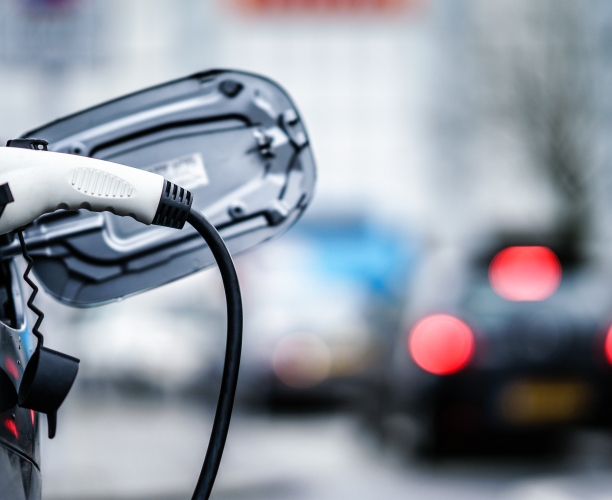
Consumers say they are increasingly willing to use public transportation, reduce personal vehicle usage and adopt ride-sharing or carpooling options. There is also a visible increase in interest toward two-wheelers and electric mobility.
One in two consumers plans to purchase a two-wheeler within the next six months. Among them, a vast majority are closely tracking global fuel price trends and are actively considering electric scooters or bikes.
If petrol prices increase by 15% in the near future, two-thirds of prospective buyers say they would prefer an electric two-wheeler, while a smaller section would opt for fuel-efficient petrol bikes.
Looking ahead six months, the preference for EVs strengthens further. Nearly three-fourths of intended buyers say they would choose a new electric bike to reduce long-term fuel expenses.
Even if EV prices rise by ₹5,000 to ₹8,000, more than half of consumers say they would still go ahead with the purchase, indicating growing confidence in electric mobility as a practical long-term solution.
Summarizing on the findings of the survey, Suresh Ramalingam, CEO, Ipsos India said, “The Ipsos Consumer Pulse shows Indian consumers are becoming more cautious and value conscious as geopolitical tensions and rising crude prices create uncertainty around household expenses. Consumers are already preparing to cut discretionary spends, prioritise essentials and adopt more economical lifestyle choices.
Prime Minister Narendra Modi’s address urging citizens to support the local economy and adopt practical measures during the global crisis could have far-reaching behavioural impact. Greater use of public transportation, hybrid work arrangements, reduced foreign travel and postponing purchases such as gold could collectively help consumers manage costs more effectively while easing pressure on household budgets.
Importantly, the government’s decision so far to hold retail fuel prices has helped shield consumers from immediate inflationary stress. However, the rise in commercial LPG prices may make eating out and food delivery more expensive in the coming months.”
Technical Note:
This is an ongoing consumer sentiment tracker designed to map the evolving impact of the Middle East conflict on the attitudes, spending behaviour, lifestyle choices and expectations of urban Indian consumers. The findings are based on a structured online survey conducted among Ipsos’ online panel members across urban India, with 600 respondents interviewed in each wave through an 8-to-10-minute self-administered questionnaire in English. The sample is evenly balanced by gender, drawn primarily from metro (50%), Tier 1 (30%) and Tier 2+3 (20%) markets, includes respondents aged 18–60 years with strong representation from 18–29 and 30–45 age groups (minimum 45% each), and is skewed toward NCCS A (80%) and NCCS B (20%) households. The sample is evenly balanced by gender, drawn primarily from metro (50%), Tier 1 (30%) and Tier 2+3 (20%) markets, includes respondents aged 18–60 years with strong representation from 18–29 and 30–45 age groups (minimum 45% each), and is skewed toward NCCS A (80%) and NCCS B (20%) households.