
Reimagining the Brand Planning Process in Healthcare
For a pharmaceutical drug, a brand plan is the core thread that helps inform life cycle management for a product year over year. Therefore, the brand planning process is more than just an annual tedium—it is a highly strategic endeavor that helps dictate the direction of the brand and the company for the year to come. One thing that the brand plan and brand planning process should not be is boring. Many brand teams complain that the brand planning process can feel like an emotional drain thus it is critical to be engaging, focused, and motivating for everyone involved.
Ipsos spoke with six brand experts from across the biopharmaceutical industry on their experiences leading brand teams to success. Based on their insights and Ipsos’ brand expertise, we believe there are ways to engage a wide range of voices and opinions in order to truly extract the best possible outcomes—for both your team and the brand.
Download our detailed white paper for common pitfalls to avoid, examples of best practices, and actionable insights you can use today to optimize your process.
INTRODUCTION
Ipsos spoke with six brand experts from across the biopharmaceutical industry on their experiences leading brand teams to success. Based on their insights and Ipsos’ brand expertise, we believe there are ways to engage a wide range of voices and opinions in order to truly extract the best possible outcomes —for both your team and the brand. For a pharmaceutical drug, a brand plan is the core thread that helps inform life cycle management for a product year over year. Therefore, the brand planning process is more than just an annual tedium — it is a highly strategic endeavor that helps dictate the direction of the brand and the company for the year to come. Brand planning is rooted in making difficult decisions. It’s not just a checkbox activity. It’s an exercise in priori - tization that guides the brand team for a full calendar year to come. The brand planning process is as strategic as it is tactical: it provides organizational alignment by creating a roadmap for the brand. What is the one thing that the brand plan and brand planning process shouldn’t be? Boring. Many brand teams complain that the brand planning process can feel like an emotional drain. The team dreads heading into what feels like a mundane and drawn-out process. However, the process, when done correctly, is engaging, focused, and motivating for both you and your team.
WHAT ROLE DOES THE BRAND SERVE?
The annual brand plan serves a number of important roles within the organization: it is both strategic and tactical, combining multiple perspectives to ultimately inform every aspect of the business.
FINANCIAL
Informs the annual budgeting process and allocation of resources
Creates budgetary accountability based on optimized KPIs for tracking of ROI, etc.
Helps a brand leader effectively manage the P&L
OPERATIONAL
Generates buy-in from senior team about the direction of the brand
Promotes cross-organizational collaboration and knowledge sharing
Creates dedicated time and space to review market dynamics through a situational analysis
STRATEGIC
Provides organizational alignment—a roadmap for the year
Allows for better alignment across the company portfolio
Contributes to strategies surrounding brand/asset Life Cycle Management (LCM)
Creates framework to guide decision-making and highlight strategic trade-offs
THE PROCESS
Ipsos takes a systematic approach to preparing the brand plan
For many brands across therapeutics areas, indications, and life cycles, the brand planning process is very similar. Often the process begins in late spring and extends through to the fall, where it becomes a tool for budgeting and resource management. Many brand leaders choose to engage a multidisciplinary team in the planning process in order to more thoroughly investigate strategic challenges and opportunities for the coming year.
Overwhelmingly, brand leaders agreed that the key to a smooth and painless brand plan is ensuring structure and maintaining communication.

Structure
While each company may add their own “secret sauce” to the brand plan, the core structure carries through from brand to brand. In essence, a “ladder” structure ensures that every individual aspect of the plan is logically and thoughtfully connected to the one before it.
Insights derived from research and market knowledge trans late directly into opportunities for growth in the coming year.
Opportunities can be prioritized—based on probability of success, size opportunity, or global initiatives, etc.— and the strongest options are transformed into key strategic imperatives.
Strategic imperatives lead us to our behavioral objectives, which ultimately direct the tactics that marketing and sales can enact in the year to come.
Using this “ladder” format helps create a logical alignment between the needs and expectations for the brand. Even more than that, the logical structure instills a sense of purpose in each brand decision, and the brand team can have confidence that they are serving a winning brand strategy.

Communication
Engagement falters when people feel that the process has stalled or is getting stuck. Clear and continuous communication helps give direction to the team members and keeps the process moving forward. Many brand leaders communicate a predetermined schedule for plan development and use sub-teams or breakout groups to maximize engagement and distribute responsibility. In the plan itself, strong, captivating language makes the brand plan both engaging and pragmatic. Strategic imperatives should be powerful enough that they’re both memorable and actionable—a true call to arms for the brand team to rally around.
VALUE-ADD ACTIVITIES for the BRAND PLANNING PROCESS
Our brand leaders shared unique, value-added activities that they incorporate into their brand planning process to not only stay strategic but also drive success. Have you and your brand team tried implementing any of the following exercises into your annual brand planning process?
“Big Brand Challenge”: Some brands aim to have one “big brand challenge” that outlines the brand’s core objective for the year and serves as a “red thread” to see how the pieces of the brand plan fit together. In practice, each of the SIs fuel this brand challenge, making it the rally cry for the year to come.
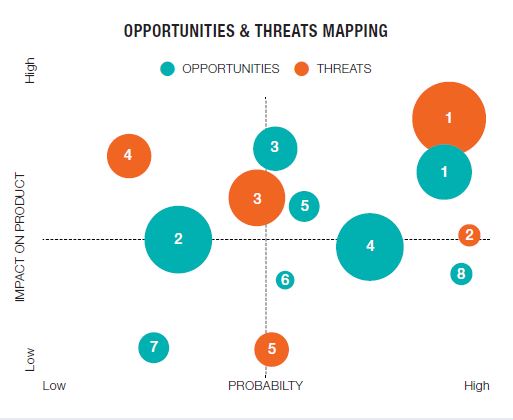
Opportunity Mapping: Opportunity maps are helpful visuals to get the team to prioritize opportunities and narrow ideas down to key strategic initiatives. (See visual below.)
Pressure Testing: To help identify the strongest SIs, brand leaders can create pressure tests to guide thinking. These tests can be rigid (a set of questions) or flexible (brainstorming), but they help identify gaps in thinking. (For example, “For each potential SI, how could we measure success?”)
Scenario Planning / Wargaming: Playing out “what if” scenarios help drive home the market insights and expected market dynamics for your brand.
BEST PRACTICES
We believe there are simple investments a brand team can make to ensure the brand planning process is not only effective but enjoyable. Here are three key considerations that contribute to brand planning success year over year:
1. Keeping your cross-functional team engaged
Brand planning is a long haul; maintaining engagement throughout the process is critical to keep members from losing steam. While large teams bring the benefit of more perspectives, they also require a concerted effort to manage. The more structure you can bring not only to the overall process but to every individual meeting, the easier it is for a diverse, multifunctional group of teammates to plug-in and share their expertise effectively. What does effective process look like in the brand planning? Consider implementing some procedural guides or place markers along the journey:
Plan shorter, more focused meetings and avoid full- or even half-day sessions. Meetings should be engaging with breakout sessions, planned speakers, and distinct objectives.
Build strawmen or outlines to allow for reactions and collaboration over blank-page creation.
Keep senior leadership engaged from day one through regular check-ins. When they see the final product, they should be nodding along in agreement, instead of interjecting with surprise.
Each step of the process should logically flow into the next, just as it does within the brand plan document itself. Because not every team member may be involved in every step of the brand planning process, it is your job as a brand leader to clearly illustrate the connecting threads throughout the story to keep everybody onboard.
2. Being “choosy” in your decisions
Brand strategy is ultimately about choices, both the ones you do make and the ones you set to the side. Many brand plans fail because they try to take on too much or to please too many people; the end result lacks clarity, purpose, or rigor. But ultimately brand plans inform budgets, and brand leadership needs to place a bet on what investment will ultimately serve the brand for the year to come. In essence, the brand planning process allows us to filter through all of the strategic options available and choose the key aspects that will define brand success for the upcoming year. By being choosy throughout the process, brand leaders can better align their team for success, clearly dictating the goals and the tactics that help the brand win, not just compete. Being choosy is essential to every step of the brand planning process in order to efficiently and effectively highlight the best opportunities for the brand to thrive. To help your team make hard choices, consider:
- Identifying a core team to sign off on final decisions.
- Focusing on three to five strategic initiatives for your final plan. The final SIs should have a strong argument or story with associated investment and business impact.
- Clearly stating (and including in your plan) what you are choosing not to do and why. This is as important (if not more so) as what you are choosing to do.
- Asking pointed questions to help move the process forward; encourage people to defend their stance based on insights or prior learnings.
When it comes down to the wire, brand planning leaders need to draw a final line to direct the brand forward. And do not be afraid to place a bet and stick with it— strategy is all about choices.
3. Translating the brand plan into action
When the team has done the heavy lifting of selecting the strategies to guide the next year, the brand lead needs to put the finishing touches on the document itself to make it both actionable and digestible for all audiences. The extra effort of “putting a bow” on the brand plan earns dividends down the line when disseminating the learnings and creating more tactical next steps.
For most, the next logical step for the brand team is to link the strategies to tactics, measure success, and review the progress throughout the year for course corrections. To operationalize this document, a brand leader must:
- Ensure your tactics directly link to your strategic initiatives. If you work with an agency or separate team, consider providing a template that asks for a specific rationale on how each tactic links back to an SI.
- Limit the number of slides and keep it concise. Your management team may review multiple brand plans each year: they must be able to quickly digest the most important elements.
- Create a bucket within your budget for “test & learns” to experiment with new ideas. These small-scale, exploratory programs or campaigns are a great way to try out new ideas and have data in case budget money becomes available over the course of the year.
- Develop a KPIs dashboard as a reference tool that your team can use in monthly/quarterly team meetings to course-correct throughout the year.
BRAND PLANNING THROUGH COVID-19
As the world adjusts to remote collaboration and video meetings, your brand plan, too, will have to adapt to the impact of the COVID-19 pandemic. Many brand leaders completed some or all of the 2020 brand planning process through the pandemic, reinforcing the importance of clear structure and seamless communication. However, COVID-19 has far-reaching applications across every area of the pharmaceutical manufacturing business. All brands, from pre-launch to mature, will need to account for changing market dynamics to accurately and successfully navigate this unknown landscape. As a brand leader, you must re-analyze every aspect of the tactical plan to adapt to the new lives of their customers, partners and patients.
NEW PLANS for NEW PARADIGMS
The distribution of tactics and investments may include new approaches and considerations that test the Brand team, and your brands have to be adaptable. In your next brand planning discussion, consider reevaluating the following:
- How will the risk profile of your company or brand impact the execution of your SI’s?COVID-19 forces brands to reevaluate potential risk profiles and use scenario planning to fully explore contingency plans.
- How might your brand need to refine your communication strategy? A brand may need to revamp HCP and patient messages to address changing priorities. In rollout, the team should discuss revised channel optimization, sales team deployment, and detail tools/technologies to maintain connection.
- Will changes in the supply chain impact your ability to reach your strategic goals? Recognizing potential changes in product demand can trigger updates to forecasting assumptions for launch or sales plans.
- What can you do to better support your HCP & KOL networks? Engaging with physicians through innovative channels can help them better support their patients. The brand team must analyze what tools and systems are necessary for continuation
COMMON PITFALLS in the BRAND PLANNING PROCESS
It is easy to fall off track in the brand planning process— but you’re not alone! Be wary of these common pitfalls through the process to ensure your team is engaged and produces highly strategic work.
- Assembling too big of a team to keep everyone engaged and contributing
- Trying to start from scratch each year, without reviewing last year’s plan
- Hosting too many meetings/difficult workshops, which leads to burnout and lack of focus
- Trying to “make your mark” by introducing some-thing new to the plan for the sake of change
- Carrying too many Strategic Initiatives or SI’s that trend towards tactics
- Keeping Strategic Initiatives that are not measurable and/or not implementing a measurement plan
- Proceeding with no leadership buy-in at each step of the process, or waiting until the final draft to engage leadership
- Not being choosy enough or trying to do everything for everybody
- Not aligning your plan with the global brand plan/directives
- Ignoring the product’s maturity when crafting your strategies (e.g., market maintenance vs. adoption)
- Reusing last year’s plan without putting in work wto generate new insights/learnings
CONCLUSION
Once your planning is over and your document is finalized, you’re not done as a brand leader. A brand plan gets its second life once the new year has started. With the strategies in place, the brand team can now shift priorities to KPI tracking, performance measurement, and optimization of tactics. A successful brand plan is durable enough to withstand market shifts throughout the year, but it always remains the guiding force for the brand team as you work to build and maintain market leadership. Even as circumstances change, a robust brand plan provides durable and risk-balanced strategies for navigating evolving markets. As you take on the challenges of the year, the team should keep the core brand strategies on their desks as a call to arms that informs every brand decision. When they think back on the brand planning process, they should understand precisely why those strategic goals are so important to the brand—and, just maybe, remember how much fun they had in the process.

![[WEBINAR] TOAST 2026: Under Pressure - Fewer, Fragmented, Fought-For](/sites/default/files/styles/list_item_image/public/ct/event/2026-07/thumbnail-templates_1_0.png?itok=MxL-wPJW)
