Why Americans are so pessimistic about the cost of living
We're heading into the final stretch of the 2026 midterms, an election that is set to be largely defined by the economy and the cost of living.
And right now, Americans aren’t so hot on the cost of living: 74% say they think their cost of living is on the wrong track, compared to 13% who say it’s heading in the right direction.
Below are five charts on what's behind the country’s sour mood on the cost of living.
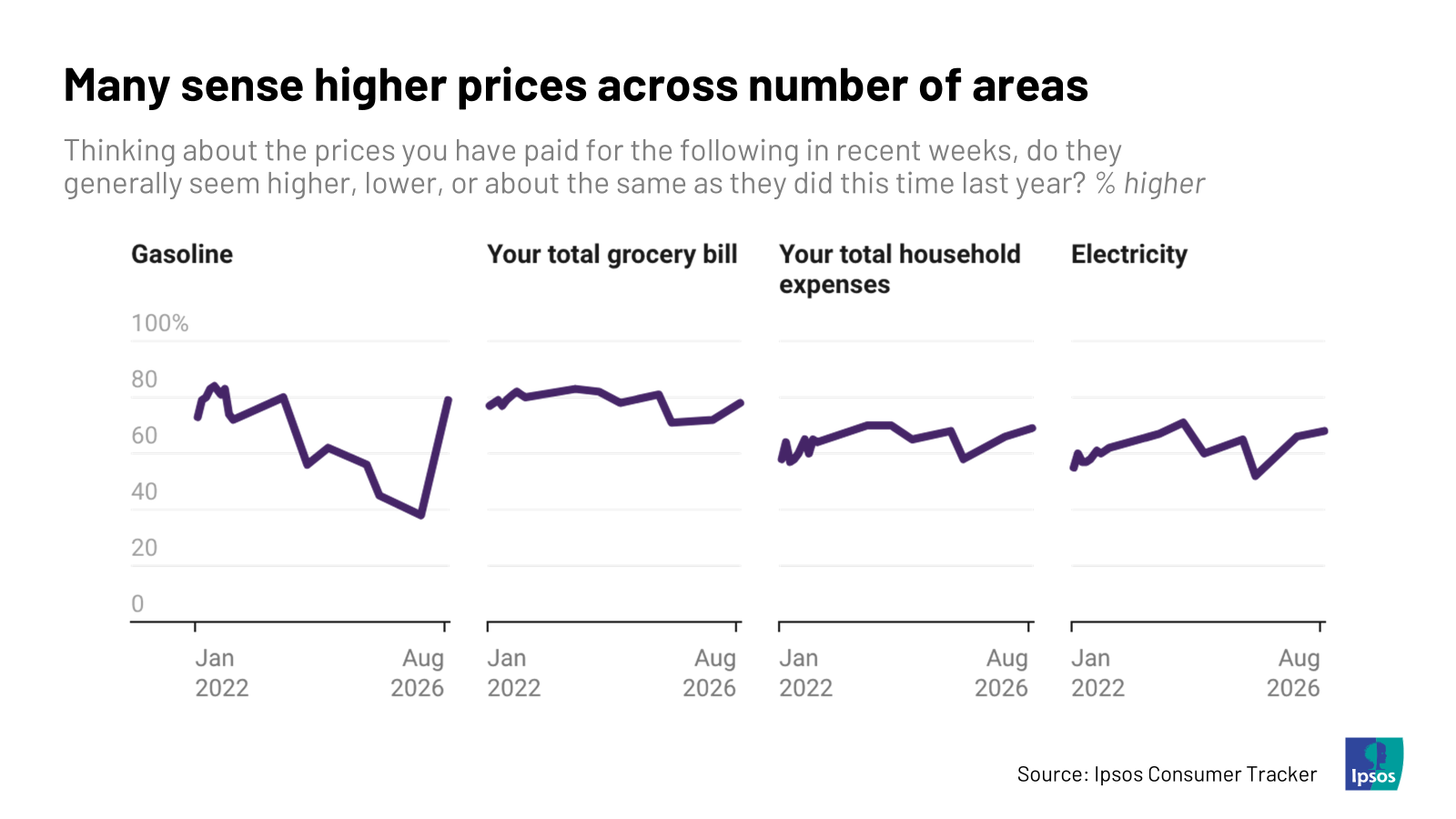
1. Americans sense higher prices across a number of areas. Majorities say prices are rising across areas like groceries, housing, and gas. Perceptions around gas prices had been on the mend, until the war in Iran.
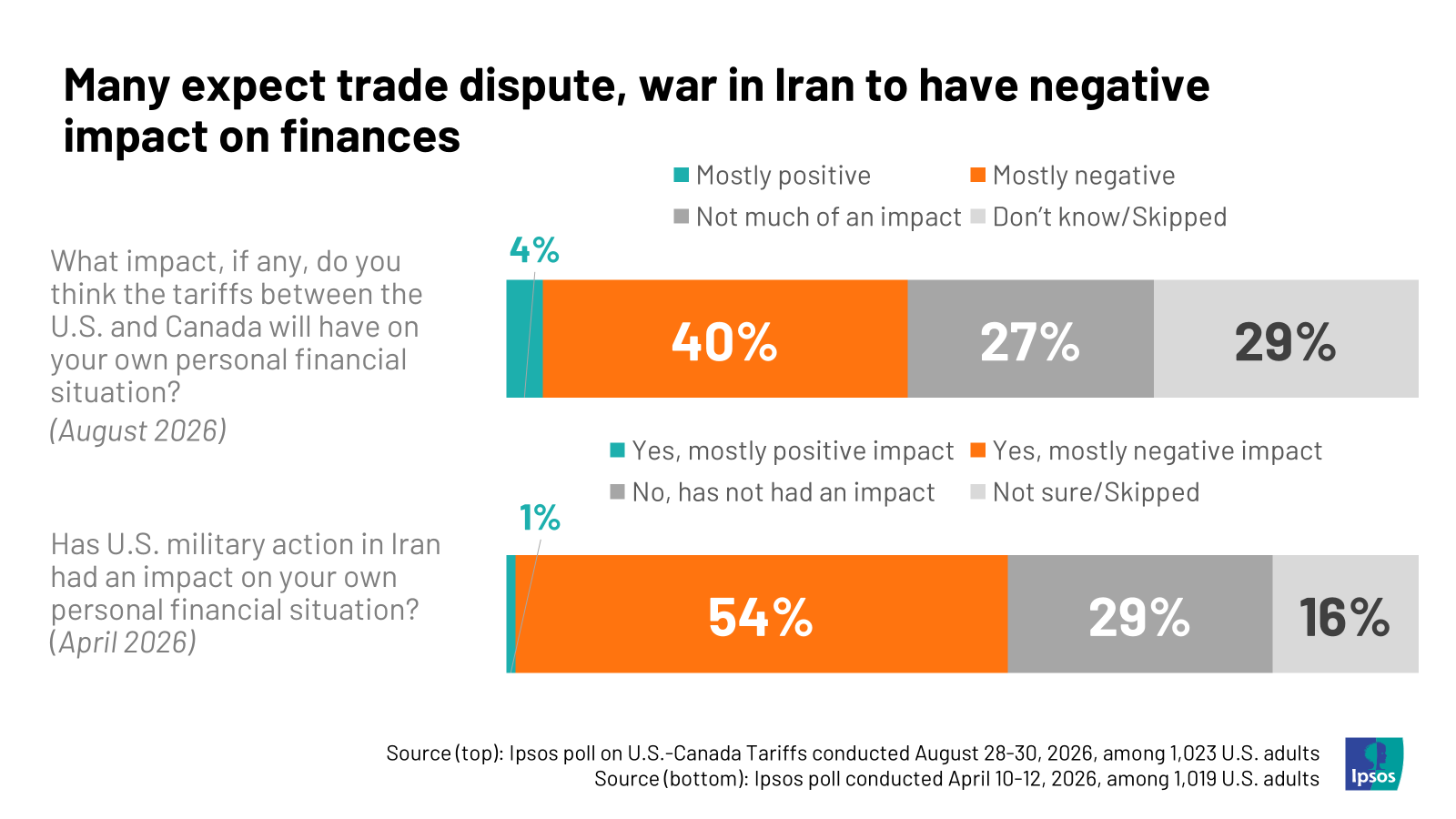
2. Current events have not helped. Last year, it was Liberation Day; this year, it’s been the war in Iran. Any optimism is dampened by a news cycle that continues to evoke uncertainty about the economy.
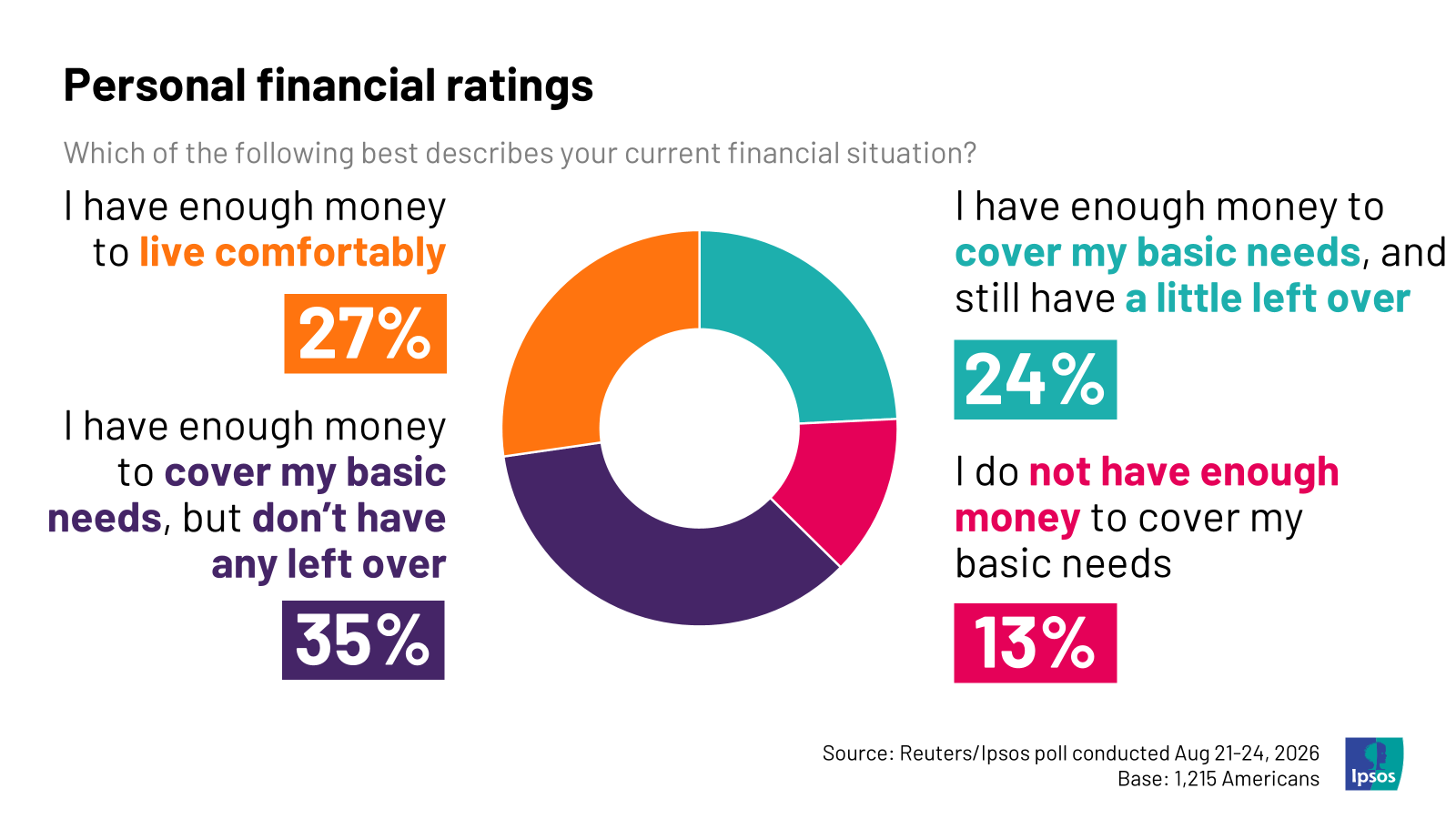
3. It’s about comfort. Glass half full: most Americans say they can meet their basic needs. Glass half empty: few Americans are truly comfortable with their financial situation. This lack of comfort is behind much of the pessimism around the cost of living.
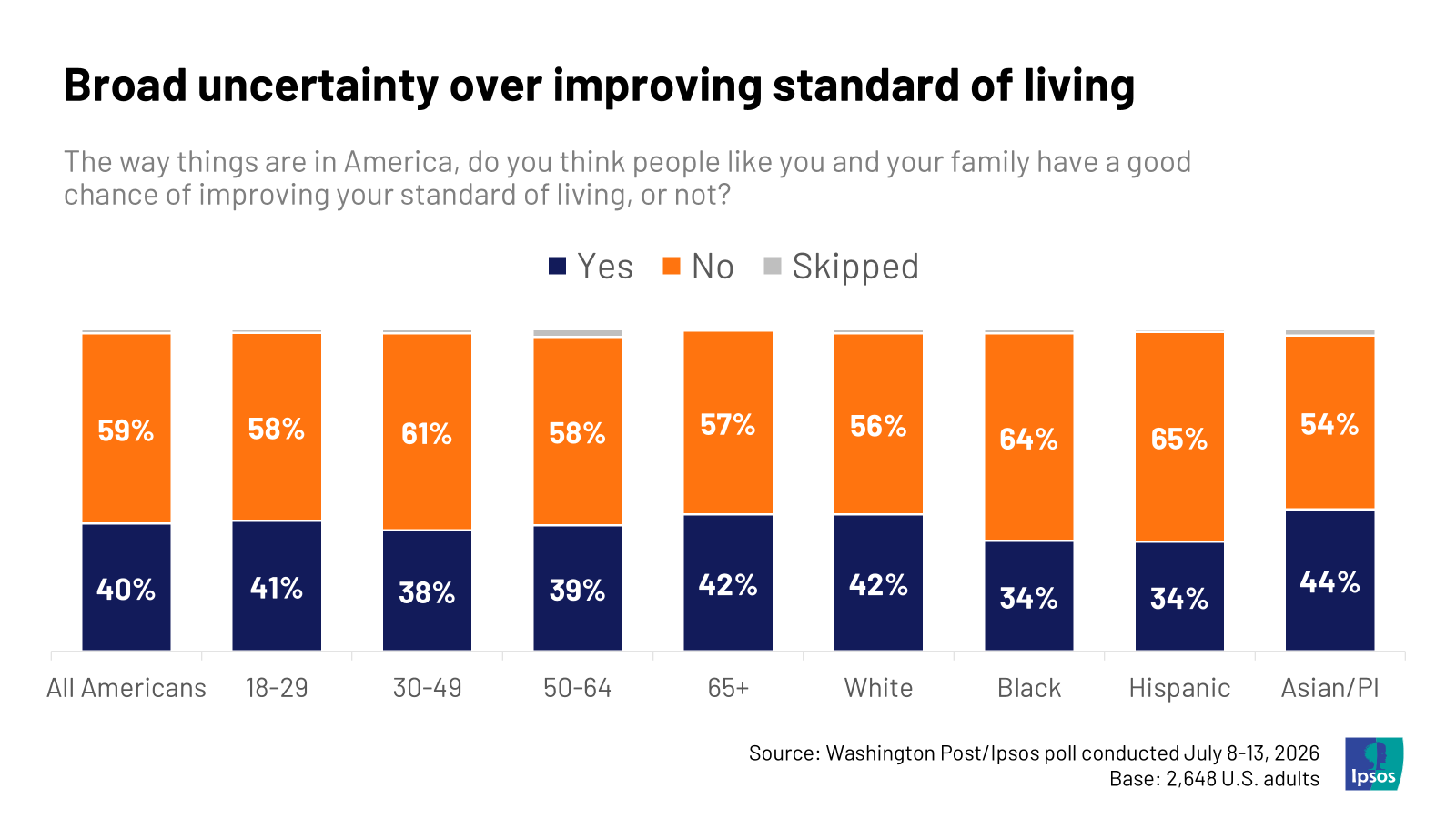
4. The prospect of moving up. Behind all this is a deeper uncertainty, not just whether prices keep rising, but whether Americans can improve their standard of living.
5. What Americans want politicians to address. The cost of living is going to weigh strongly on voters’ minds in the midterms. What exactly do Americans mean when they think cost of living? There are some slight partisan differences – Republicans care more about gas prices, Democrats more about healthcare – but it’s clear that Americans want politicians to address a wide range of areas when it comes to the cost of living.
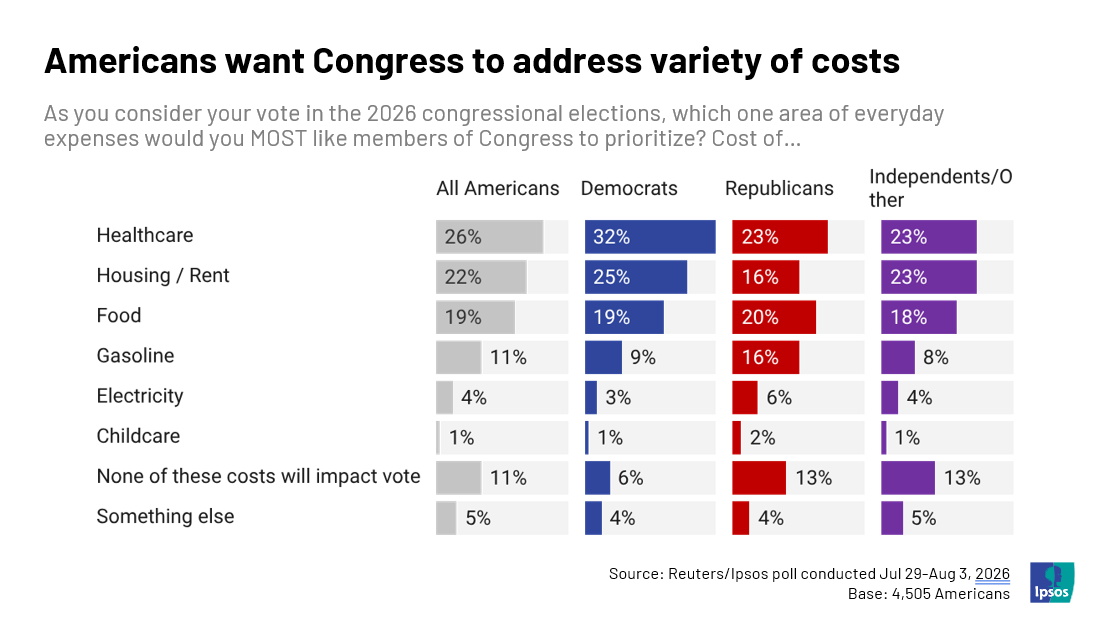
There’s no one reason Americans are so concerned about the cost of living. It’s a mix of everything. It’s the sense that daily costs, from housing to healthcare to groceries, continue to increase. It’s a news cycle that continues to fuel economic uncertainty. It’s a lack of true comfort around finances. And the sense that moving up in the world is becoming less and less likely.
The cost of living is poised to play a major role in this November’s elections. The short-term implications: Americans’ dissatisfaction with the cost of living is bad news for the party in power, much like it was in 2024. But it probably won’t end in November. Until morale improves, the cost of living will remain at the forefront of voters’ minds. Watch this space.