3 in 4 Britons anxious over personal cost of living as Andy Burnham takes office
- 76% of British adults report feeling concerned about the personal impact of the rising cost of living over the next six months.
- Nearly 7 in 10 (68%) expect the rate of inflation to rise further over the next year, with nearly half (47%) bracing for a drop in disposable income. However in March, after the closure of the Strait of Hormuz, expectations of price rises were even higher, with 79% then thinking the rate of inflation would go up.
- Just over a quarter (26%) believe Andy Burnham will change the country for the better, though optimism is in shorter supply than 2 years ago, when 43% expected Keir Starmer to improve the country in the aftermath of his election victory. 66% think they should be able to see noticeable improvements by the end of Labour’s term in three year’s time, but only 44% believe they actually will.
With three-quarters of the public closely monitoring the cost-of-living crisis (75%), the British public remains deeply concerned about household budgets and cautious about how quickly a new administration will actually deliver tangible change. However, concern about price rises, while still substantial, has dipped slightly since its peak in March just after the closure of the Strait of Hormuz.
Continued anxiety over household spending and broader economy
Public attention remains overwhelmingly focused on economic pressures, with 3 in 4 Britons (75%) following news about the rising cost of living closely. Broad economic concerns are even higher when viewed nationally:
- 84% of Britons state they are concerned about the cost of living over the next six months for the country as a whole (down 5 ppts since March), as are 76% (+1ppt) who are concerned for themselves personally and 70% (-4ppts) for people in their local area.
- 3 in 4 (77%) expect the cost of their food shopping to increase in the coming six months (although this has dropped 9ppts since March), with a similar share saying they expect other household shopping to rise (75%, -7ppts) and higher utility bills (73%, -6).
- Looking ahead over the next year, 68% expect the rate of inflation to rise (although this is down 11ppts since March), 56% expect personal taxes to increase (-10), and 40% anticipate higher interest rates (-16). However while expectations of further rises have dipped since March, there has not been a corresponding increase in those who think these will actually fall – instead more think they will stay the same.
- Consequently, 48% expect their disposable income to decrease (-5ppts since March), and 30% expect their overall standard of living to decline (-6).
Commenting on the findings, Gideon Skinner, Senior Director of UK Politics at Ipsos in the UK says:
These findings highlight why Andy Burnham has said he wants to lead a “cost of living government”, with a public mood characterised by acute financial anxiety, with the vast majority of Britons bracing for continued pressure on food, energy, and everyday household costs. Though at least the picture is not quite as bad as it was a few months ago just after the Strait of Hormuz was closed, there is still little sign of the public expecting to see things get much better.
Public sentiment on Andy Burnham's premiership and timeline for change
While most of the public say they are following stories about Prime Minister Andy Burnham's appointment and policies (58% and 54% following closely, respectively), public expectations regarding his performance and speed of delivery remain on the fence:
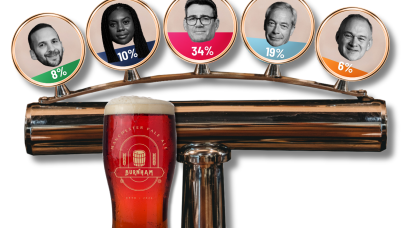
- 28% hold positive views of Andy Burnham’s premiership, compared to 21% who view him negatively; however, the largest proportion (42%) remain neutral.
- When asked if he will change the country for the better or worse, 26% think he will make things better, 15% say worse, and 40% expect no difference. When Keir Starmer won the election in July 2024, 43% were expecting him to change the country for the better, and 18% for the worse.
- On managing the rising cost of living specifically, 22% expect his government to do a good job, 23% expect a bad job, but over half are either neutral or don’t know. Near the end of Keir Starmer’s premiership, only 13% thought his government was doing a good job on the cost of living, while 60% were critical.
- When asked how long it should realistically take to see improvements, 4 in 10 (42%) think they should be able to see noticeable improvements within a year, and 66% say meaningful change should be delivered within the remainder of Labour's term (up to 3 years). However, only 20% of Britons think they actually will see improvements within a year, while 44% think they will come within Labour’s term in office.
To these points, Skinner adds:
While Andy Burnham enters Downing Street with – just about - a net positive personal standing (and without the negativity that was attached to Keir Starmer at the end of his time in office), the events of the last couple of years have taken their toll on the public mood. While few think the new PM will make things worse, hopes that he will make a real positive change are not as high as they were when Starmer first entered No.10 in July 2024.
Many Britons are reserving judgement at this stage on how well the new PM will deliver, but they don’t want to wait too long before they see some improvements. 4 in 10 think seeing some signs of tangible change within the year is a realistic expectation – but only half that think they actually will.
The central policy and communication challenge for the Government will be managing these high cost-of-living concerns and demonstrating steady progress before public patience begins to wear thin.
Notes:
- Ipsos interviewed a representative sample of 1,050 online British adults aged 18+ across Great Britain from 21-23 July 2026. Cost of living trends are based on those aged 18-75 (967 adults).
- Data are weighted to match the profile of the population. All polls are subject to a wide range of potential sources of error.