Early polls show doubt about Iran. What comes next?
The initial polls on the U.S. airstrikes in Iran are in.
In the wake of years of overseas engagements, shifting attitudes toward foreign intervention, and lingering economic uncertainty at home, Americans appear cautious.
Historically, foreign conflicts have prompted Americans to rally behind their president, at least initially. But so far, polling suggests the public's response is more muted.
Below are five charts examining the public's initial reactions to the strikes, the conditions that might shift public opinion, and how uncertainty could shape what comes next.
1. America’s first read tilts against the strikes. Across a number of polls, the strikes are facing limited support and notable, but not overwhelming, opposition. These views are similar to how Americans reacted to U.S. involvement in Venezuela and last year’s strikes against Iranian nuclear sites. Of course, a resolution or continuation could shift attitudes. Tomorrow’s polls will be more revealing than today’s.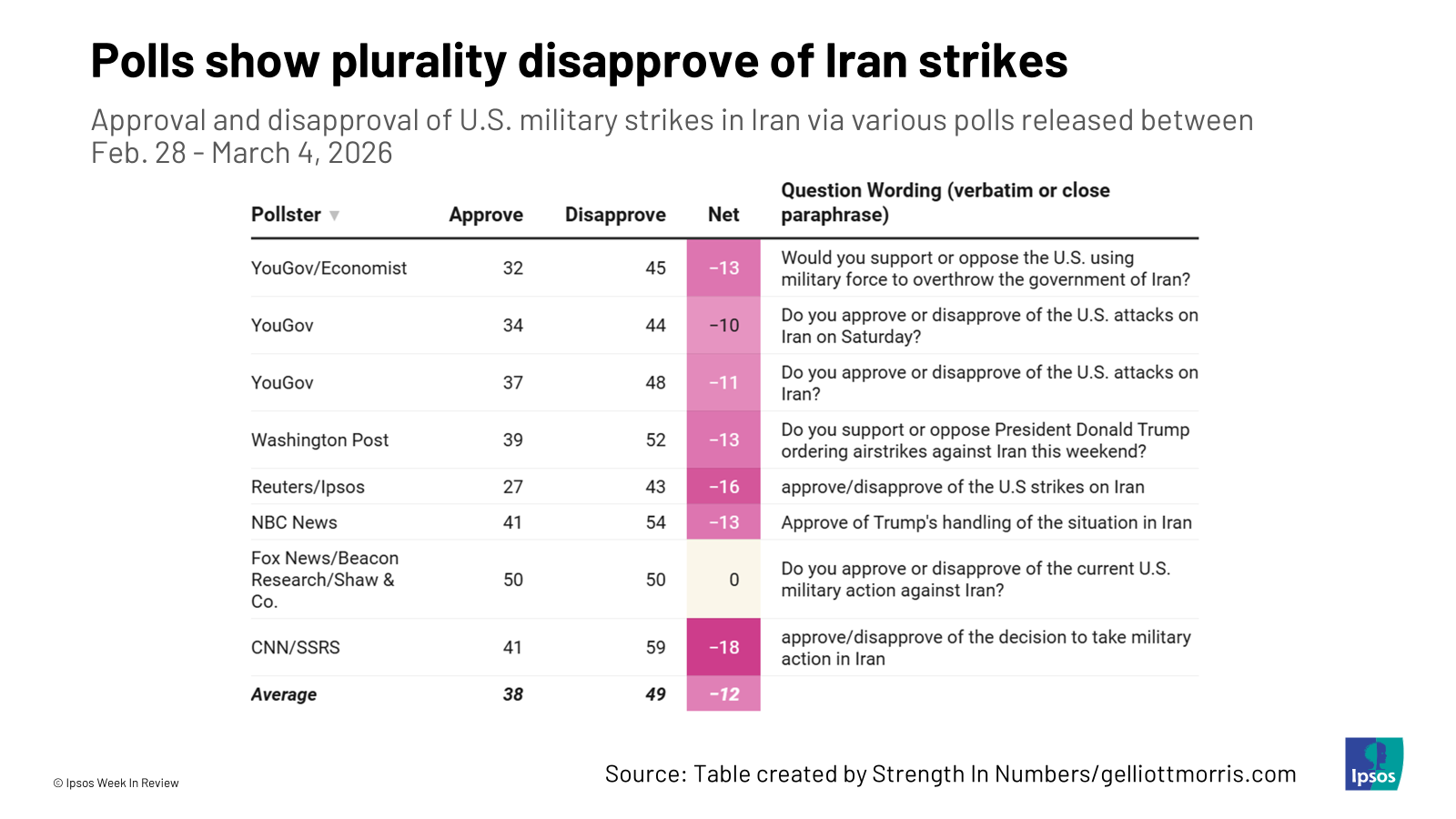
2. What would shift the public’s support? A U.S.-friendly regime change in Iran or the end of Iran’s nuclear program could boost support for U.S. involvement in Iran. But a broader conflict, the deaths of U.S. troops, or increased gas prices could compromise the operation’s already modest support.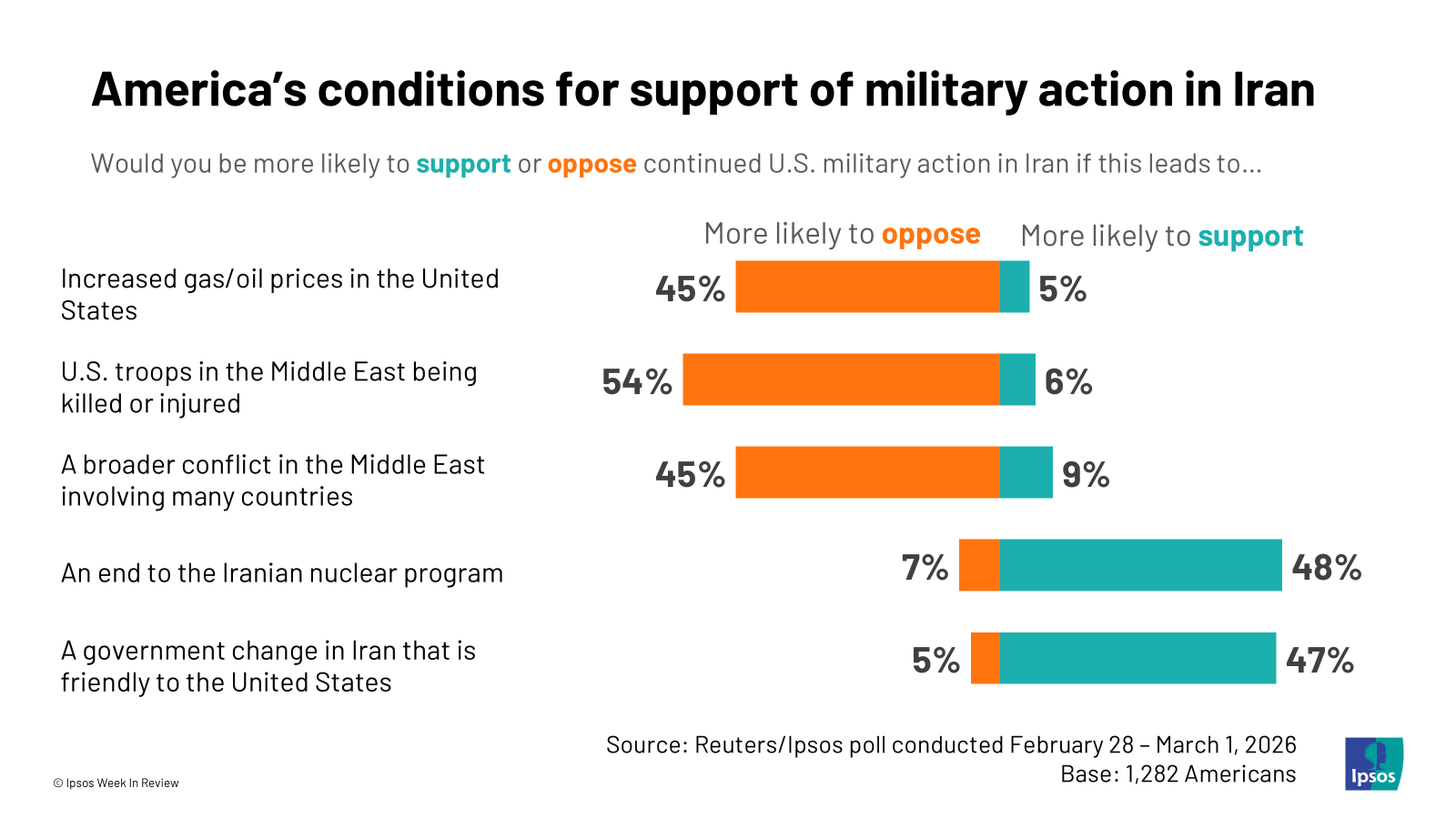
3. Will Americans rally ‘round the flag? Early signals suggest that Trump might not receive the boost in approval ratings that previous presidents have seen in the midst of international crises. Instead, Trump’s approval rating has been roughly unchanged, even though many have doubts about the strikes. Either way, the data points to a public that isn’t ready to rally.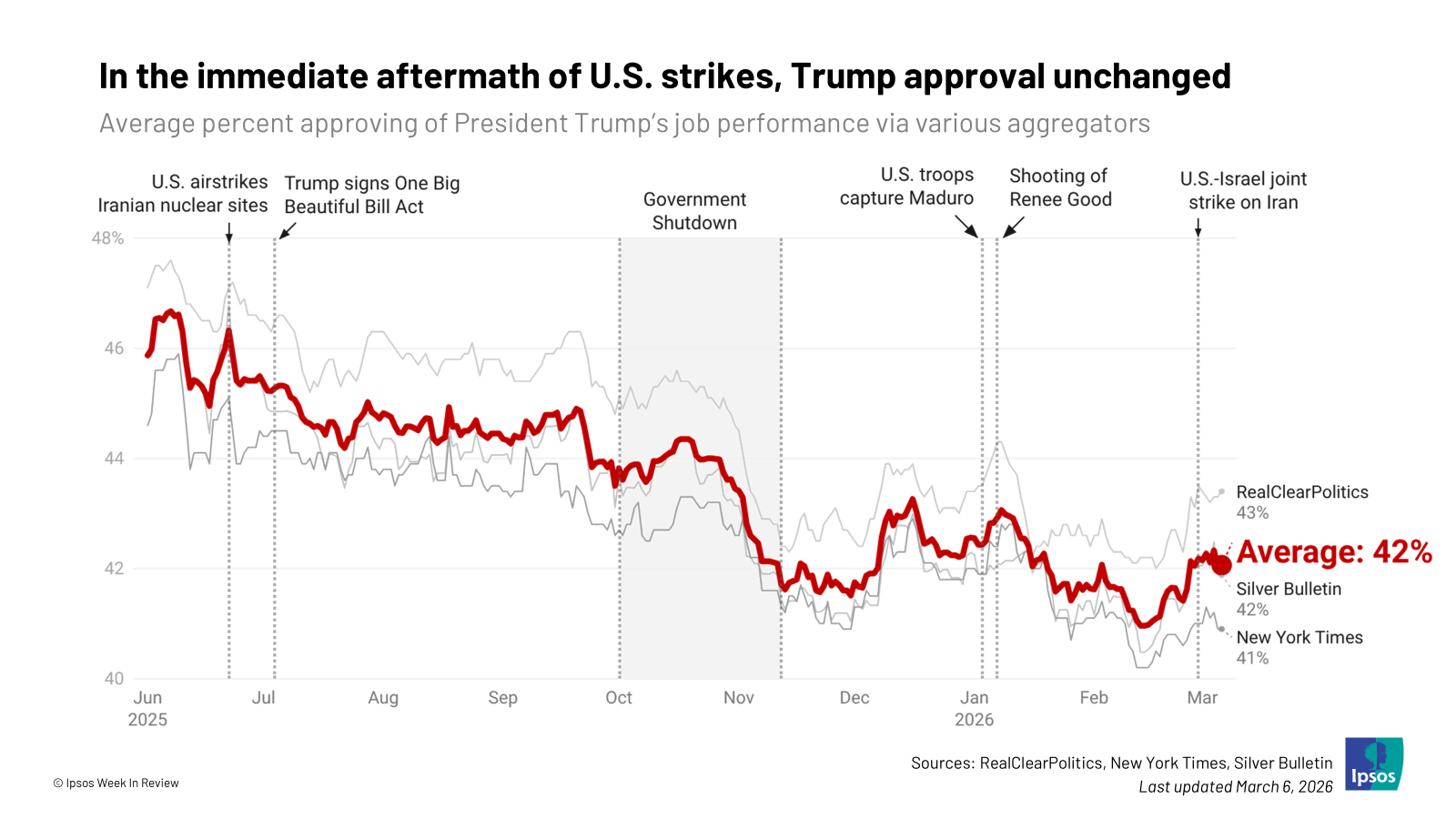
4. Changing views toward foreign policy complicate things. In today’s landscape, the bar for a rallying effect may be higher. Fundamentally, U.S. involvement in Iran goes against the preferences of an increasingly isolationist nation, a sentiment that has been building for decades. Americans, especially younger generations, prefer restraint.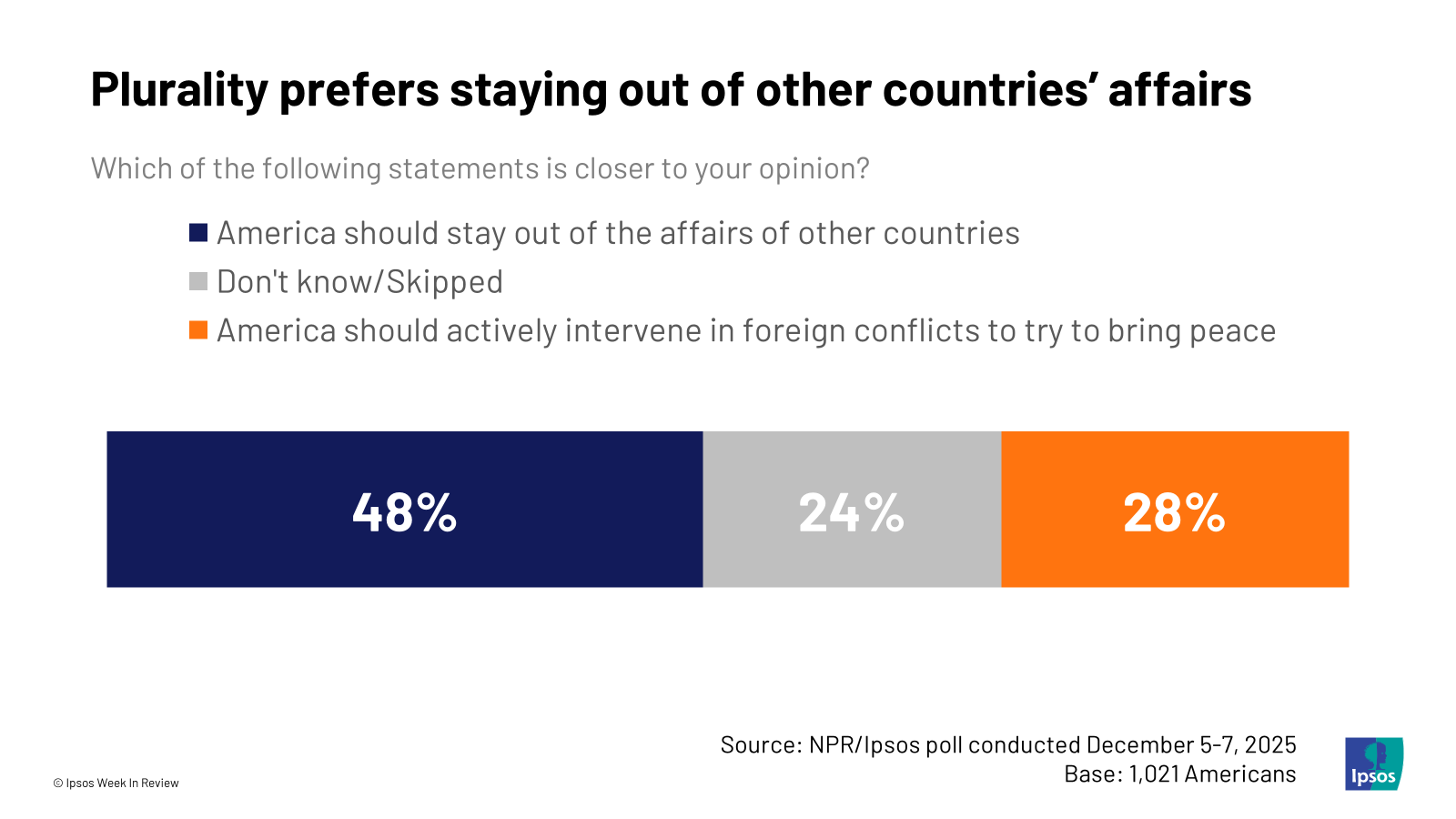
5. Uncertainty. That was the word that defined Trump’s first few months in office. We’ve previously written about how uncertainty and anticipatory friction were drivers in the “vibe shift” away from Trump. Then, the uncertainty was driven by tariffs. Now, the potential for a broader war, combined with a domestic job market showing signs of weakness, could exacerbate already high levels of uncertainty.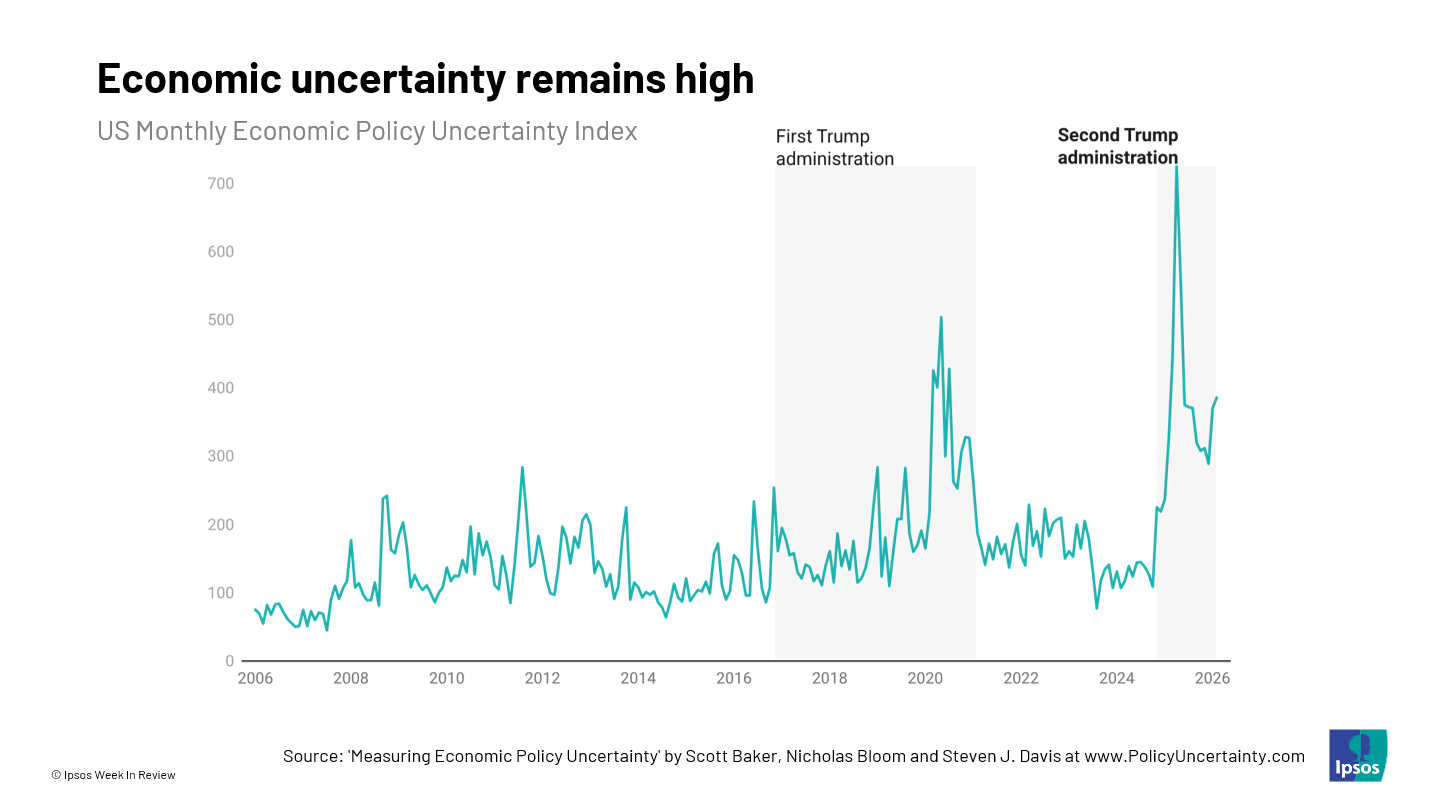
The impact of uncertainty shouldn’t be underestimated. Last year proved that Americans are sensitive to uncertainty, especially uncertainty that threatens their economic well-being. The combination of a job market flashing warning signs and the potential for inflation to return, driven by a foreign conflict with no clear off-ramp, may only heighten the country’s anxieties.
Of course, a favorable outcome for the U.S. could alleviate Americans’ concerns. But so far, there are no clear answers as to how this episode will end. To a public that is increasingly skeptical of U.S. involvement in other countries’ affairs, that is a big problem.