
When it comes to omnichannel, auto customers are ready for disruption
As we outline in our detailed paper, the excitement of the incoming all-new battery electric vehicles is happening at the perfect time in the U.S. market. The new battery electric offerings can align an omnichannel ecosystem to purchasing with a full end-to-end online sales approach for these vehicles.
Consumers also want a new way to purchase, especially buyers interested in battery electric vehicles. The added information and support needed for these electric offerings require a standardized hosted website that can be created by the auto manufacturers and used by the local dealers for established brands. For new startups, their focus on end-to-end purchase experiences will need to align with the expectations of these consumers.
Here's why….
KEY FINDINGS:
- COVID-19 has been disruptive to the auto industry over the last two years. Supply chain challenges have stripped dealer lots, with little inventory for consumers to consider. That limits the ability of sales staff to quickly get consumers into desired new vehicles.
- Many consumers dislike the traditional purchase process involved in buying a vehicle. Cars.com, Shift, Vroom and Carvana have demonstrated a new purchase journey for used cars.
- New electric vehicle manufacturers have demonstrated alternative direct-to-consumer or online models for consumers, following in the footsteps of Tesla.
- Traditional manufacturers must upgrade the purchase journey to align with the desires of future consumers.
Many industries have upgraded and shifted their retail and service models since COVID. But how has the automotive industry adjusted?
This year’s CES 2022 offered a fascinating preview of the auto industry’s innovations and challenges. The tech event highlighted new electric vehicle innovations, from established auto manufacturers like BMW, Chrysler and Chevrolet to startups like Fisker, VinFast and even Sony, which plans to offer electric vehicles in the future.
The investments in electric vehicles are changing the purchase journey, offering customers the ability to order vehicles directly compared to the traditional dealership model. In this quickly changing environment of new innovations and access to information anytime and anywhere, will consumers continue to shop at dealerships? Is the auto industry ready for that change?
A look at the data
Some consumers are willing to skip the dealer altogether, a trend that Ipsos has monitored since the start of COVID. If consumers can buy other products online, such as dinner, prescription drugs, furniture or rides, why not new vehicles? Our Ipsos Mobility Navigator Study reveals that as of 2020, we are up to 54% of consumers who say they are willing to buy a vehicle entirely online.
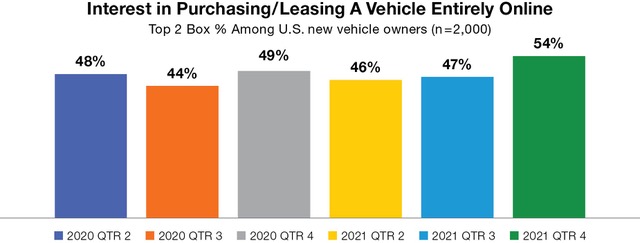
For dealers and manufacturers, this shift in preferences creates opportunities. Historically, dealers and manufacturers have sold vehicles the same way and were resistant to change. They took Tesla to court after the automaker decided to sell vehicles directly to consumers. Since COVID-19, however, automakers are seeing a shift that is good for the consumer.
Online vehicle buying is not new, but it’s complicated
Online vehicle buying has seen a huge disruption within the used vehicle market amid the growth of platforms like Carvana, Vroom, Shift and Cars.com, to just name a few. The pandemic has turned online vehicle buying and selling into a hot market—one that has been embraced by consumers. The used-car market sees less than 5% of all used-car sales done online, but this is expected to grow at a fast rate.
With consumers finding it easier to sell their vehicle online, they will be more willing to buy one online as well. Vroom, for example, reported e-commerce vehicles in the fourth quarter 2021 were up 93% from the year-earlier period. This is a result of fewer regulations and the availability of new online platform options.
The new vehicle dealership regulations are aimed at protecting dealerships from being strong-armed by manufacturers to take unwanted vehicles. Tesla, for example, has been able to sidestep this regulation by owning their showrooms/dealerships as there are not any independent Tesla showrooms or dealerships. This sales model allows Tesla more control over their customers’ purchase journey, providing a more consistent consumer experience.
Traditional manufacturers face difficulties with current regulations and their work with dealerships. Dealerships can sell online but not manufacturers. Often, individual dealerships license software on their own and can be different from one dealership to another. This is not ideal for a manufacturer and can often lead to a poor consumer experience.
Traditional manufacturers are striving to standardize and make that software available to consumers; this is starting with electric vehicles. The goal is to provide the holy grail experience such as shopping, purchasing, incentives, handling of trade-ins, financing and selling insurance, which current Tesla owners have experienced with some satisfaction.
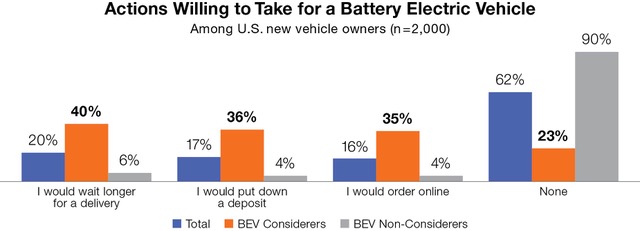
There is also a divide between the purchase experience preferences of consumers open to electric vehicles versus ones who are not open to them. Our Ipsos Mobility Navigator Study finds that consumers open to purchasing a battery electric vehicle in 2021 are willing to try unique shopping experiences, including waiting for delivery, providing a deposit and ordering online. In contrast, nine out of 10 non-battery electric vehicle considerers would not consider any non-traditional actions when purchasing a vehicle.
Electric vehicle sales are growing
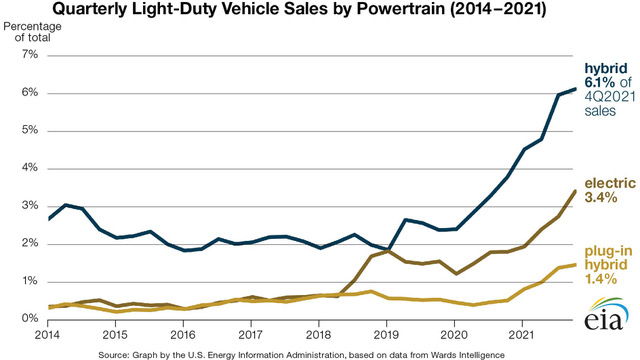
2021 was a year of progression for electrification. A new report released by U.S. Energy Information Administration indicated that in the fourth quarter of 2021, electric vehicles and hybrids surpassed 10% of U.S. light-duty vehicle sales.
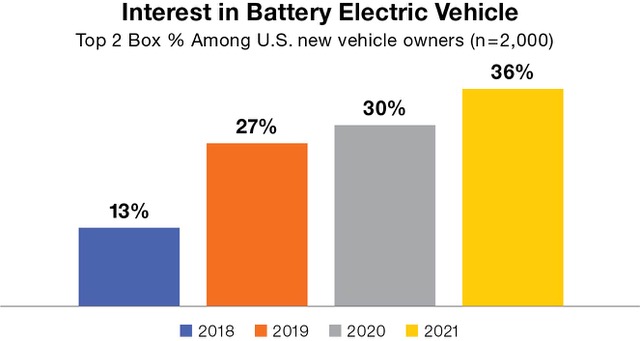
The progression of electrification sales aligns to stated consumer interest. Our Ipsos Mobility Navigator Study reveals that since 2018, interest in battery electric vehicles has tripled, with over a third of U.S. consumers now willing to consider a battery electric vehicle. This is the highest level we have monitored over the last few years and is an encouraging trend for broader adoption.
New electric vehicles can drive the new omnichannel in automotive
January 2022 marked the return of an in-person CES in Las Vegas after a hiatus due to COVID-19. Beyond the great tech innovations showcased, there was excitement over new vehicles coming to the U.S. market from a variety of auto manufacturers. This includes new startups and established auto manufacturers. The press releases and highlighted vehicles on display were focused on new electric vehicles coming to the U.S. market in the coming years, including the following:
- BMW iX M60
- Chrysler Airflow
- Chevrolet Equinox EV
- Chevrolet Silverado EV
- Sony Vision-S 02 SUV
- Fisker Ocean
- VinFast VF 8 and VF 9
Each vehicle offers unique design styles, benefits, attractive range and charging speeds. Most compelling however, is that each of these future vehicles are larger SUV’s or crossover’s that U.S. consumer desire—even a full-size truck, such as the Chevrolet Silverado EV is very appealing. Plus, each vehicle offers the convenience to configure and reserve online for a future purchase. And, during Super Bowl LVI, many auto manufacturers focused their advertising on their upcoming electric vehicle launches. This showcases how the industry is shifting toward electric and new purchase methods.
Auto manufacturers that accelerate the online purchase journey will increase market share
The excitement of the incoming all-new battery electric vehicles is happening at the perfect time in the U.S. market. The new battery electric offerings can align an omnichannel ecosystem to purchasing with a full end-to-end online sales approach for these vehicles.
Consumers also want a new way to purchase, especially buyers interested in battery electric vehicles. The added information and support needed for these electric offerings require a standardized hosted website that can be created by the auto manufacturers and used by the local dealers for established brands. For new startups, their focus on end-to-end purchase experiences will align with the expectations of these consumers.
Ipsos continues to monitor electrification and trends impacting the automotive and mobility industry. The 2022 Mobility Navigator will be the sixth year of monitoring these key mobility developments and activities. We look forward to sharing our results from this syndicated study.
If you are interested in getting access to the information, please contact:
John Kiser
Senior Vice President
U.S., Auto & Mobility
Ipsos
+1 925 577 3743
[email protected]
Jeremiah Eberhardt
Vice President
U.S., Auto & Mobility
Ipsos
+1 424 361 2704
[email protected]
About Ipsos
At Ipsos we are passionately curious about people, markets, brands, and society. We deliver information and analysis that makes our complex world easier and faster to navigate and inspires our clients to make smarter decisions. With a strong presence in 90 countries, Ipsos employs more than 18,000 people and conducts research programs in more than 100 countries. Founded in France in 1975, Ipsos is controlled and managed by research professionals.


![[WEBINAR] Global Voices of Experience 2026](/sites/default/files/styles/list_item_image/public/ct/event/2026-02/thumbnail-global-voices-experience.jpg?itok=NN6W-9Ft)