Voices of Ukraine: Documenting Life During Wartime
Every day, throughout Ukraine, ordinary citizens drive the humanitarian response. They work together to meet the diverse societal needs of a nation under siege. There are millions of Ukrainian non-combatant civil volunteers. Their efforts are individual and collective and widely credited with a national resilience that has stunned the world.
Known loosely as the volonteri, this social movement stems from when Ukraine was part of the USSR. Back then, citizens relied on mutual aid and horizontal cooperation, which often proved more effective and reliable than government institutions. Recent history points to the 2014 invasion and annexation of Crimea as a resurgence of a nationwide spirit of volunteerism. Between 2014 and 2022, Ukraine has seen a surge in new NGOs and philanthropic projects; volunteers have helped supply the Ukrainian Army with medical kits, rebuild destroyed houses in eastern Ukraine, and raise funds for refugees, orphanages, and cultural initiatives. A poll conducted by the Kyiv International Institute of Sociology in December 2021, two months before the invasion, found that volunteers were the second most trusted group in Ukraine, behind only the Ukrainian Armed Forces. With 68% of Ukrainians expressing trust in them, volunteers ranked above the church, regular citizens, and Ukrainian media.1 Today, civilians and volunteers play a crucial role in defending their nation.
According to a poll conducted by the National Democratic Institute, 81% of Ukrainians have donated money to support their Armed Forces. Additionally, 60% report donating money to humanitarian relief, 37% say they volunteer, and 21% report being conscripted into the military. As the war continues, Ukrainians’ commitment to supporting the army and each other is on the rise.
Salam
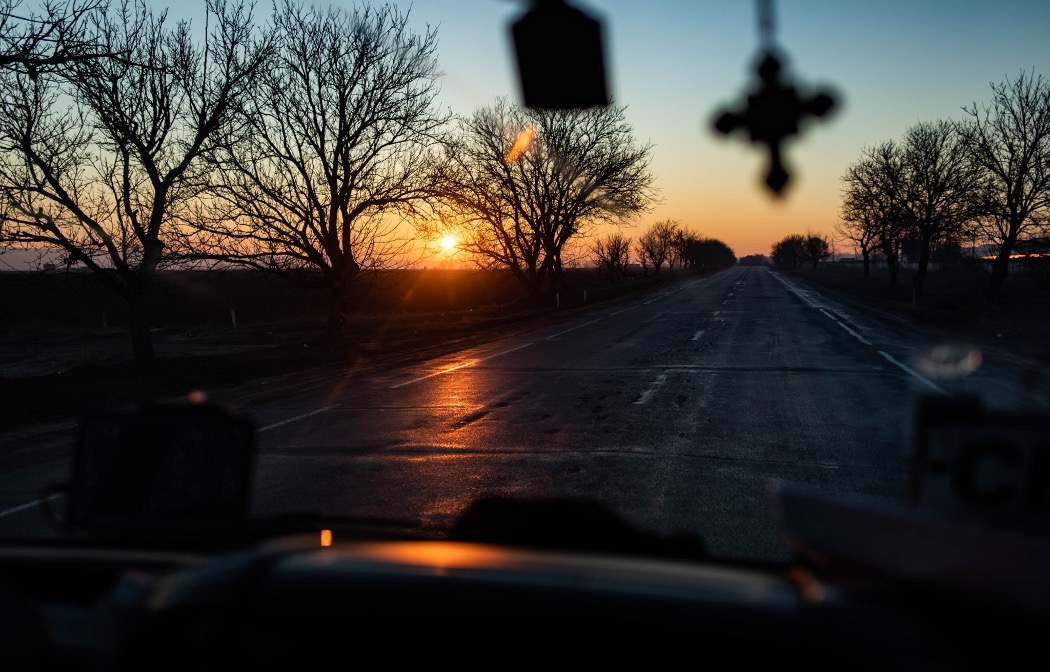
In the still dark hours of early morning, a caravan prepares to depart for the long, dangerous drive into Ukraine. Four chartered buses and two vans are packed with medical equipment, an assortment of medications, diapers, sleeping bags, and non-perishable food items.
Salam, 38, began loading the vehicles at 3 a.m.; now, just before 5 a.m., he settles into a seat behind the driver. Despite the early hour and his routine lack of sleep, the work ahead fuels and energizes Salam.
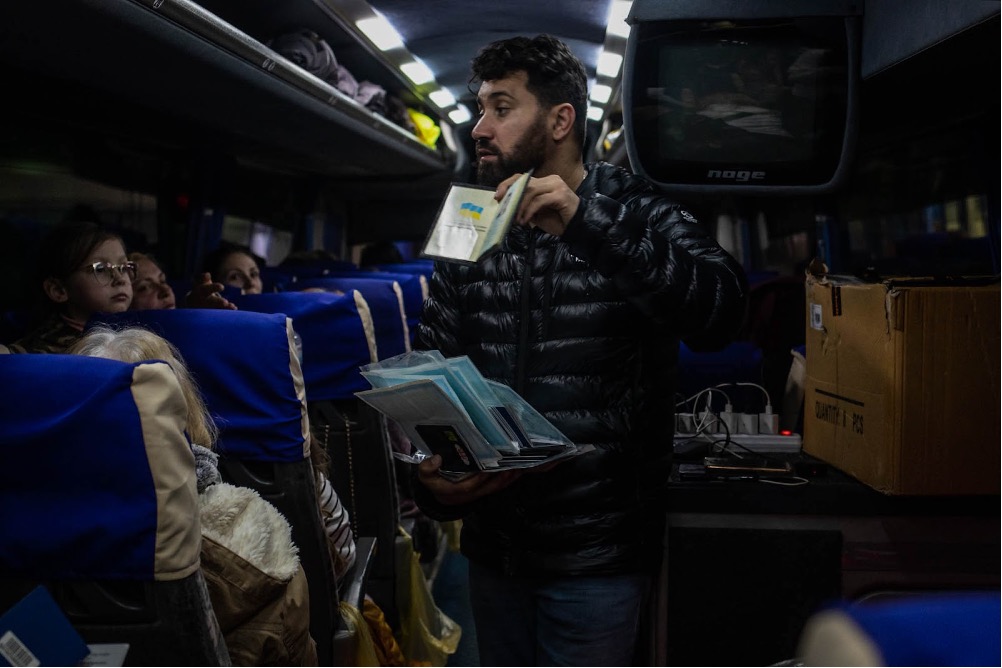
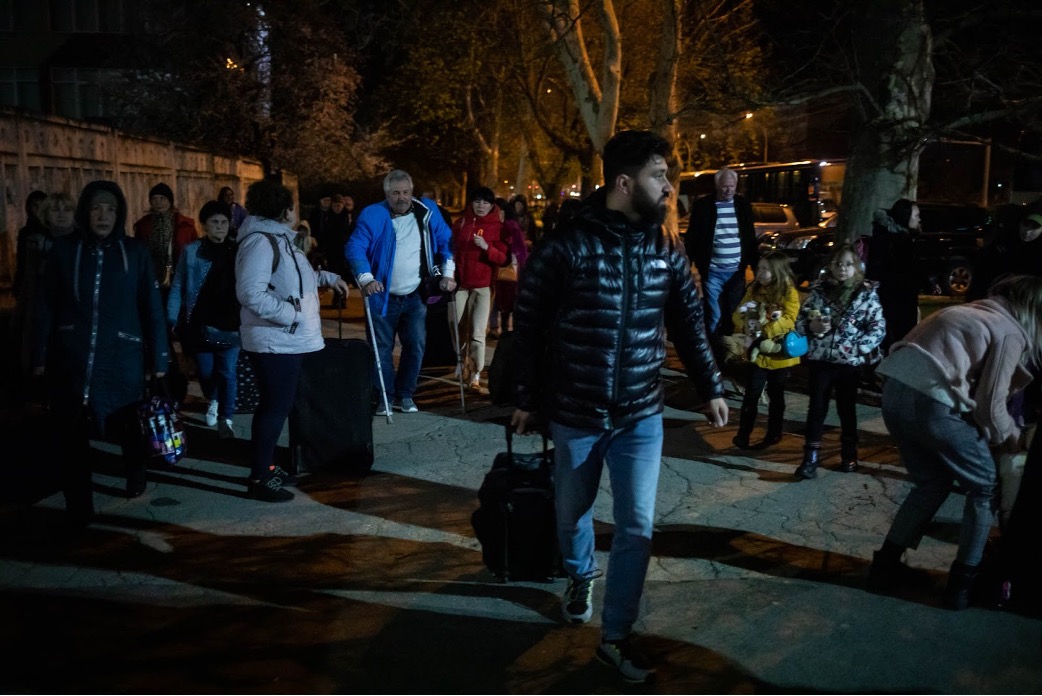
The day’s mission: deliver critical supplies to the besieged city of Chernihiv and then travel 800 kilometers (500 miles) south to evacuate several hundred people from the port city of Mykolaiv. “We are doing double duty. We go into Ukraine with food and supplies and bring out women and children who are desperate to leave.”
Over the course of 30 hours the aid convoy passes through 100 military checkpoints, nearly as many road blockades, and navigates through damaged roads, including a blown-up bridge. Curfew begins at 9 p.m. when Ukrainian law enforcement escorts the convoy. This evacuation is one of over 50 similar efforts undertaken in the last eight months.
Salam has lived in Moldova and Libya and calls Norway home. Just a day after the invasion [February 24], he arrived in Ukraine. “This was my first reaction; I just said to myself, let me go and help these people. I want to do something”. Since that day, Salam and his small team of volunteers have evacuated more than 12,000 elderly people, women, and children from besieged cities throughout Ukraine.
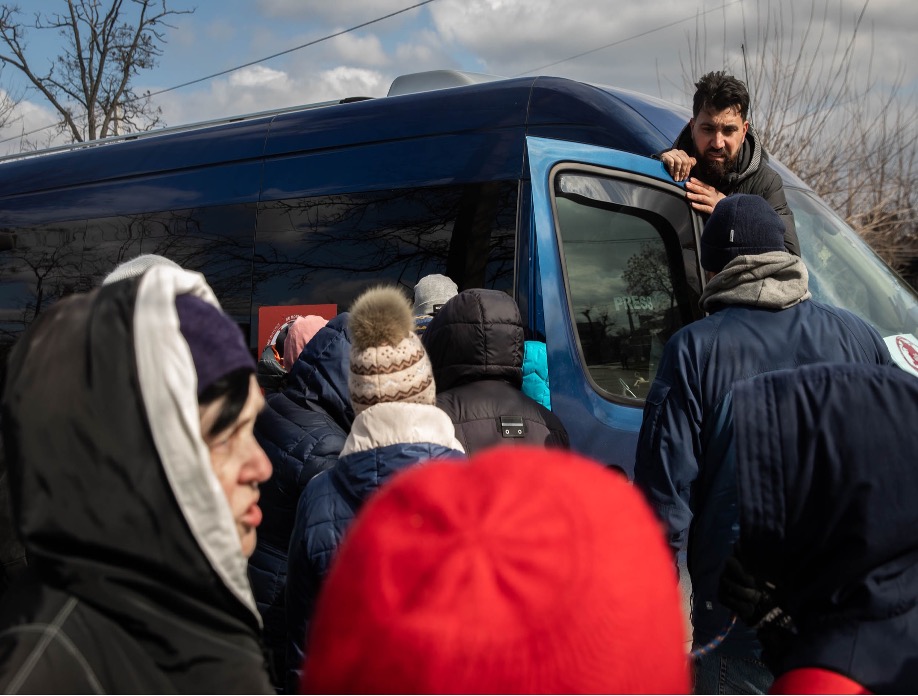
“We are going to places where nobody wants to go, evacuating women and children and bringing them to safety. We are saving lives, but I know we could do more.” In late September, Salam traveled to Zaporizhzhia. “We evacuated more than 100 people; later, we learned the city was bombed, and many were killed.”
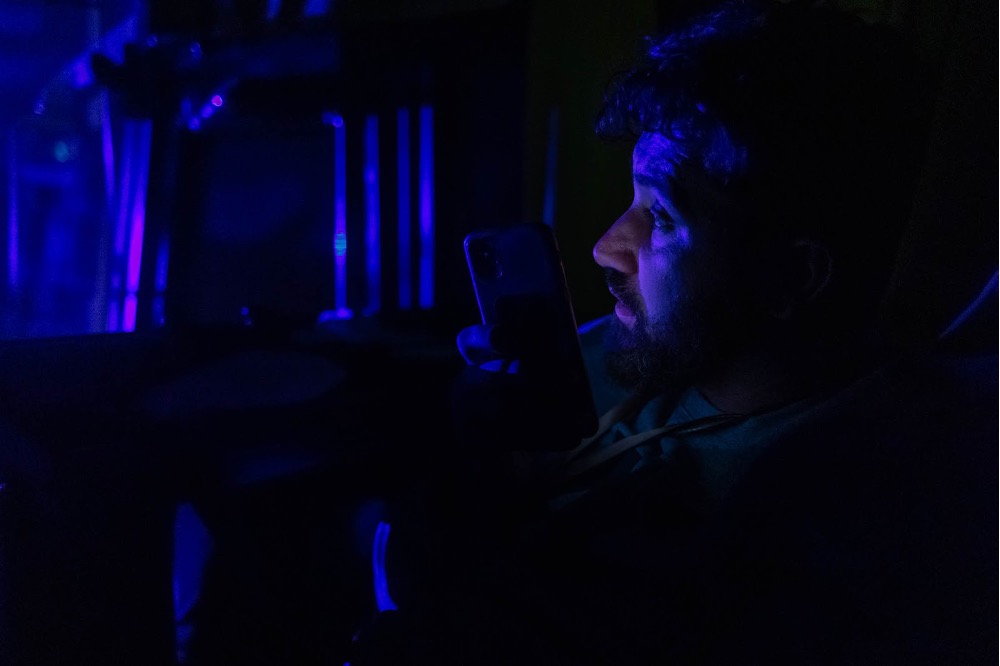
Salam’s efforts are entirely dependent on donations. During an evacuation and on long drives, he will often livestream to his social media followers or spend hours speaking with potential donors.
Each evacuation costs between $3,000 and $5,000—this amount pays for vehicle rental, drivers, fuel, and supplies and facilitates the evacuation of upwards of 100 people.
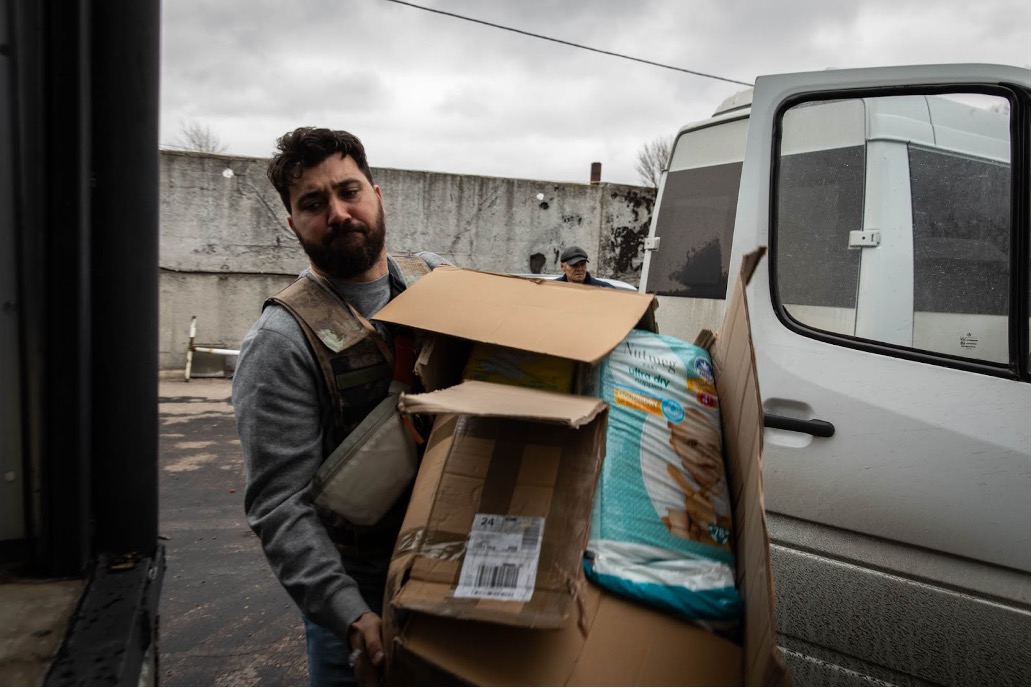
His focus is singular—save as many lives as quickly as possible. “What motivates me is seeing that people are relaxed and they are smiling again, especially the children. A lot of people ask me why I am still doing this. I tell them that there is no amount of money in the world that will give you that feeling. This is when you know you did something right, something good. I believe that these children are the future of this world.”
Ludmilla
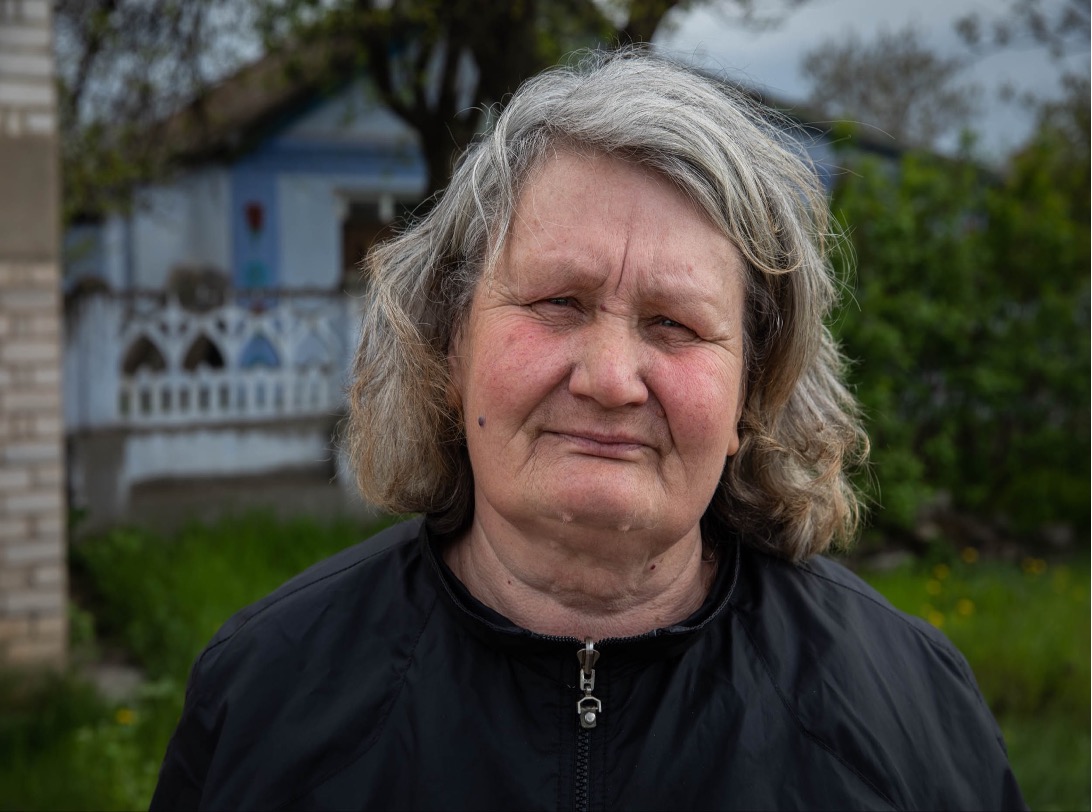
“This is my home; I cannot leave. All Ukrainians now have just one heart that is beating with one rhythm for everyone. We forgot about the date and days of the week. We know only that it is another day of our resistance.”
For more than ten years, Ludmilla worked at the Sandora factory near her home in Gorohovka, a small village located outside of Mykolaiv. The large industrial warehouse employed more than 100 people and was once a regional producer of juice and baby food. “It was a good job; we worked many hours, but work is difficult to find. I was grateful to work there.”
In early March, an airstrike forced the factory to shut down; Ludmilla and all those once employed by Sandora lost their jobs.
“One day, we had a job, and then there was no work. Everything changed.”
Ludmilla, a woman with contagious energy and a huge heart, immediately dedicated herself to serving her community and neighbors.
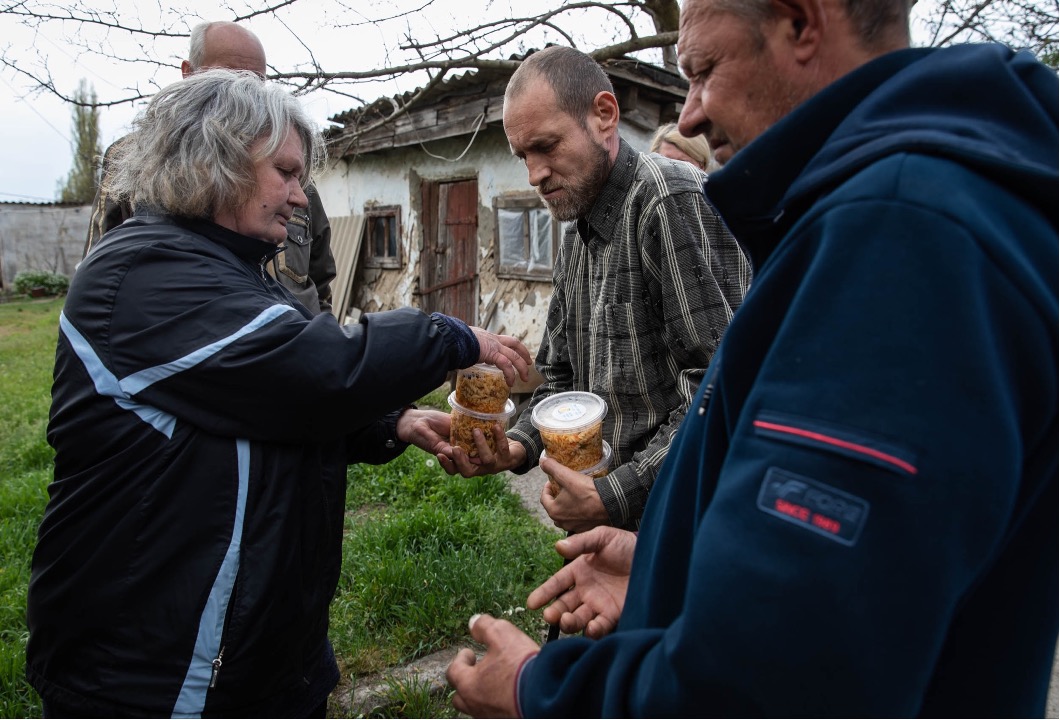
“I never thought should I volunteer or not? Should I stay here or flee my country? My only thinking was ‘do’ … do all I can to help”.
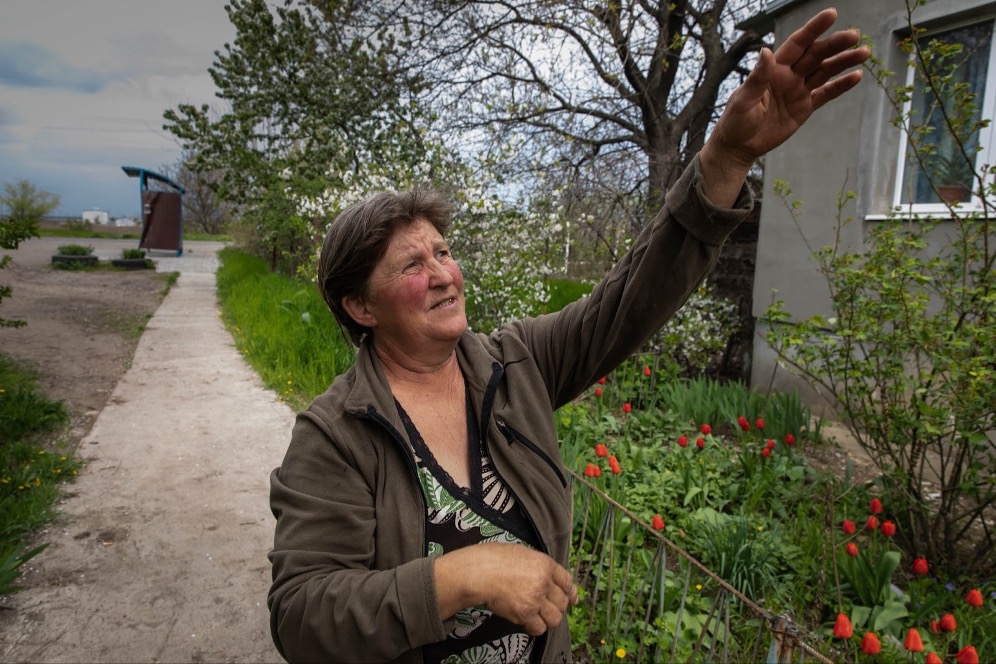
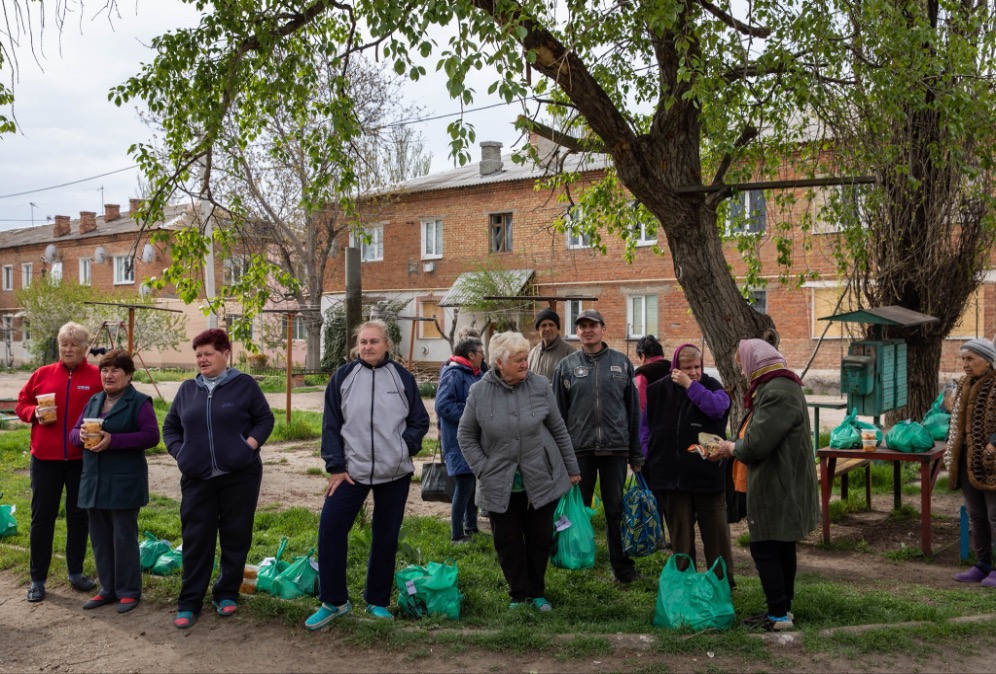
Ludmilla assumed the role of village liaison for Gorohovka and connected with humanitarian aid efforts in Mykolaiv. Several times a week, she coordinates the delivery of food and aid to their village and ensures that no one is forgotten. When medicine, food, or other supplies arrive, Ludmilla gathers all the resources, and holds distribution drives in a large open courtyard near the village center. Ludmilla knows every family and child in Gorohovka. If someone is missing at a distribution drive, she hand delivers aid packages to their homes. With Ludmilla at the helm, the community of Gorohovka has created a wartime safety net.
“I love Ukraine and the Ukrainian people. This is a nation of people who work and create together. They are generous people. Ukrainians will share their last piece of bread with you. I think that nowhere in the world you can find people who, in the face of trouble, could unite and organize themselves as much as the Ukrainians.”
Gella
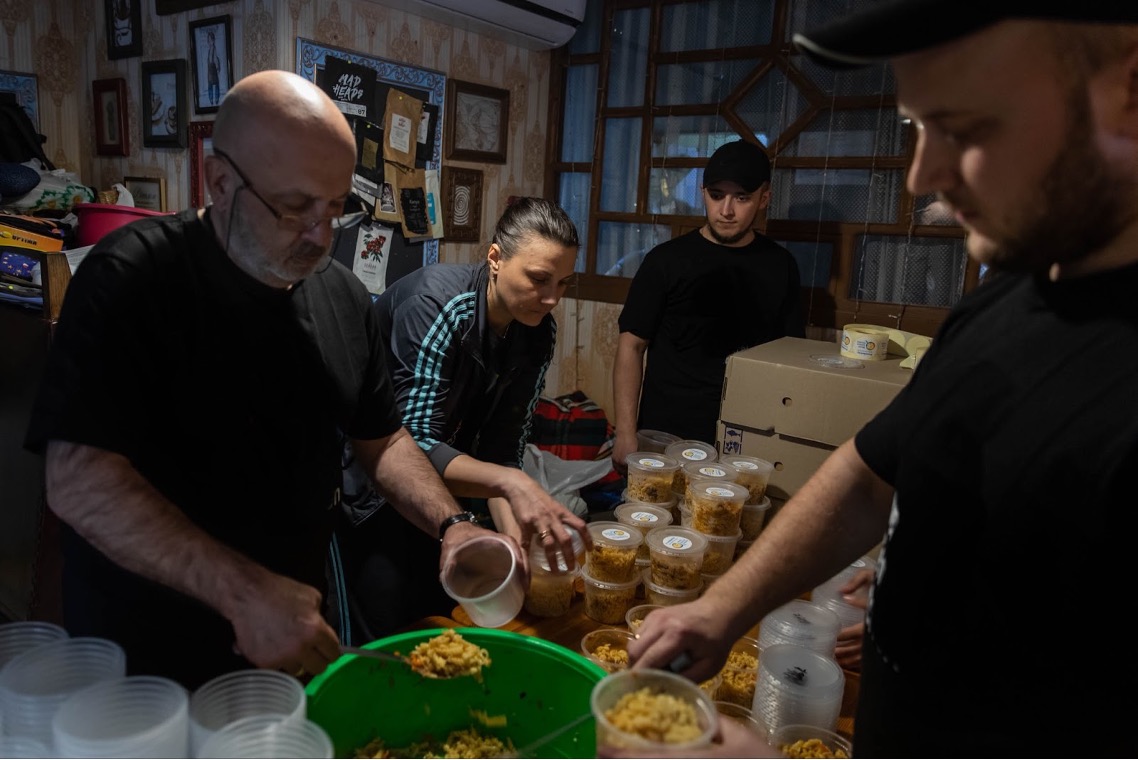
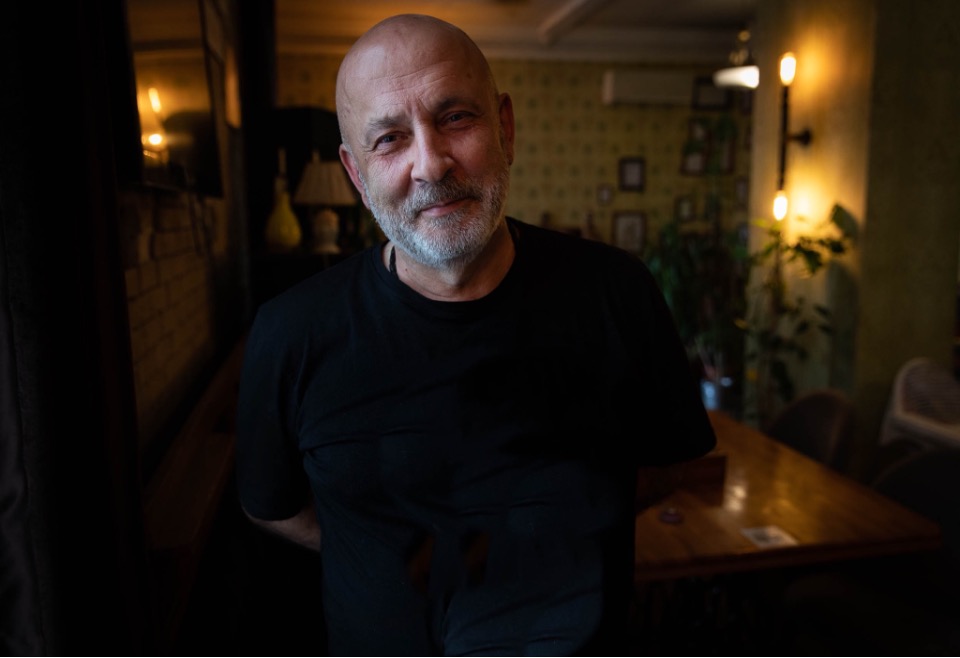
“Some people fight, some help with transportation or with medicine. I know food, and so, this is what I must do.” Seven days a week, Chef Gella works with a small team of volunteers to prepare hot meals for those who stayed behind. On cold nights, he cooks soups and warm, comforting dishes. On the hardest days, when available, he serves hot cocoa, tea, and coffee to raise spirits. Day and night, his team cooks, packs, and delivers warm food to nursing homes, hospitals, and food kitchens in Mykolaiv and surrounding villages. No matter the devastation or danger, Chef Gella and his team have stayed through it all and continue to cook for their city under siege.
A decorated chef, Chef Gella has spent more than 50 years working in the industry throughout Ukraine. He has worked without rest for nearly eight months. “How can I stop? How can I rest? I cannot stop until there is peace. Until then, I will stay and cook for my country”.
Anna
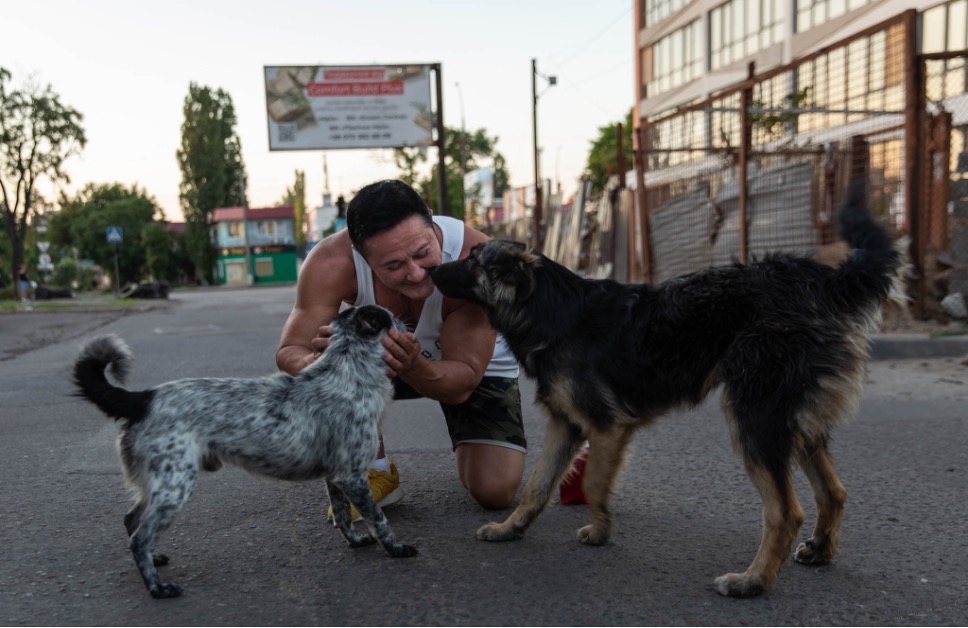
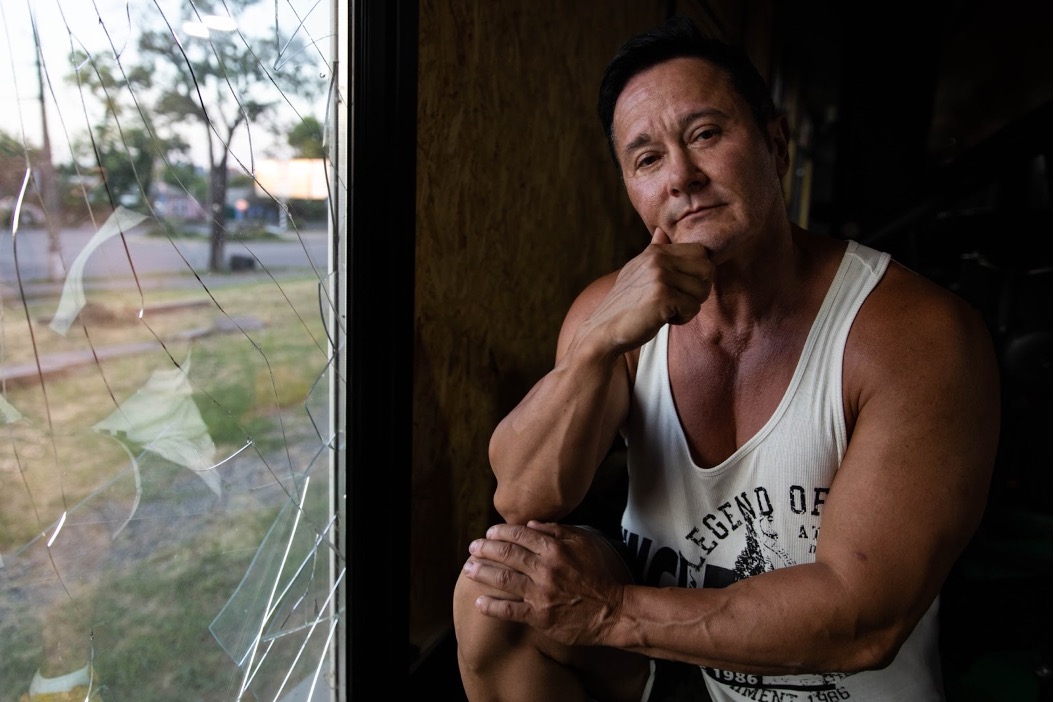
The “strongest woman in the world” is leading efforts to care for injured and abandoned animals in Mykolaiv.
Since February, the Ukrainian powerlifting world champion and trainer has dedicated her life to rescuing, rehabilitating, and rehoming dogs and cats found roaming war-torn streets.
“Many ask why I didn’t leave. War is a litmus test that shows whether you are human or not. For me, my soul is my country, my city Mykolaiv, the people, and the thousands of animals who live in the city. These animals were abandoned, or their owners were killed during the war. I could go, but how could I live without my soul [Mykolaiv]?”
From her youngest memory, Anna had a deep love for animals, “I always took studying seriously so that my dream to work with animals would come true.” As an adult, Anna became a professor of biology and worked at Mykolaiv’s city zoo.
Anna laughs as she recalls the moment that changed her life, “there was a TV program where a woman announced that she was the strongest woman on the planet, and I thought, “I could do this.”
Anna was 40 years old and had never trained as a professional athlete, but she wanted to show people that anything is possible at any age. Anna found a coach and began training with one goal—becoming a world champion in power lifting. Eighteen months later, at her first international competition in York, Pennsylvania, Anna set four powerlifting world records and won the title of “strongest woman on the planet”.
“Sport has completely changed my life. I overcame difficulties in my life and dared to pursue many personal goals. But, [more than anything] thanks to sports I've been able to earn money, which I spend helping all the animals in need.”
Anna has a large social media following built from years of sharing exercise training videos on Instagram and her YouTube channel.
“When the war came, I understood that the number of homeless animals would increase. There are thousands of stray animals [from the war] and little humanitarian aid. I am not good at asking for help, but I turned to my subscribers.”
Anna’s international network of fitness subscribers rose to the challenge.
A woman from Germany who uses Anna’s training video wrote to her. “She told me she announced in her town that Ukraine needed help. Just imagine–ordinary residents of a small town in Germany collected 10 tons of pet food! That's how it all started.” From there, Anna’s efforts gained momentum. Every day she responds to calls and messages about animals in need. Friends and strangers alike send Anna tips about animals who have been injured, abandoned, or become homeless. They know she will show up.
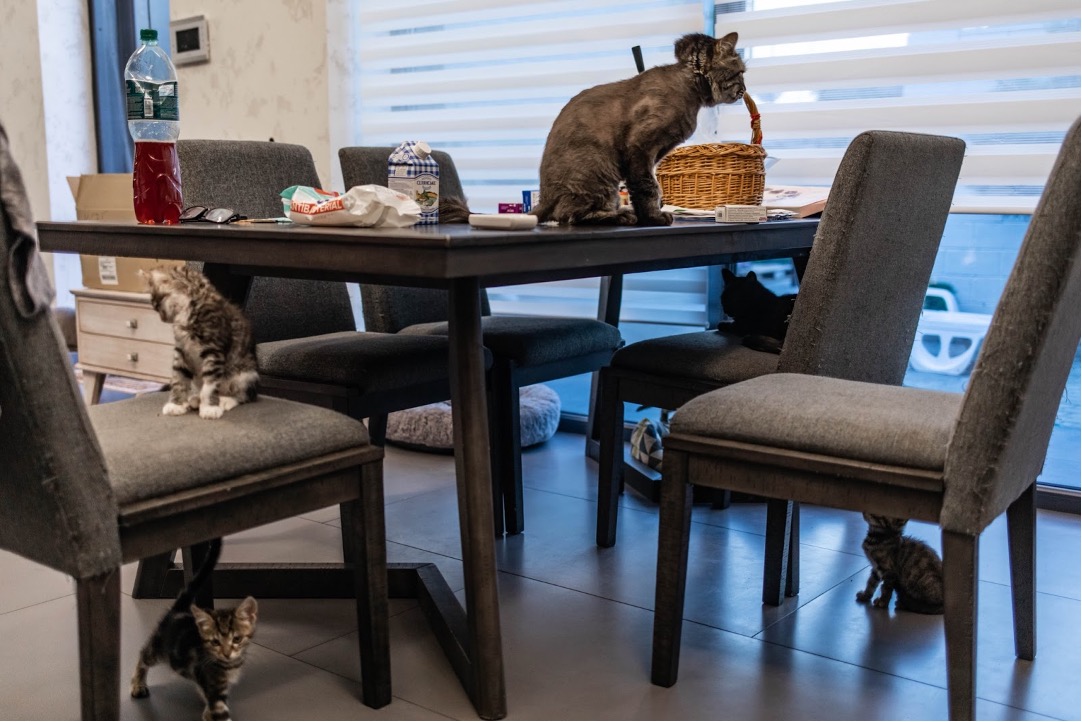
Anna’s home is a refuge for cats and dogs waiting to be adopted; huge bags of dog and cat food line the front walkway; kittens lay sprawled on her couch and curled up on the floor. Anna feeds them before she prepares her own meals. Outside of feeding and caring for injured animals, Anna organizes neutering services, and transports abandoned animals to veterinary clinics.
The corners of Anna’s eyes crinkle into a smile when she speaks about her work. Her warmth and selflessness do not betray the presence of fear.
“People think I have no fear but I do, every day. People in the villages ask me for help and I have to help them. On my first trip, I was very scared. I saved a very badly burned dog from Luch, a village destroyed by aerial strikes. It was being shelled, while I was there. My fear was immense, but it was nothing compared to the grief that I saw around me. I had to overcome this fear and travel again and again to places where there is fighting […] because it is there that animals need help the most.”
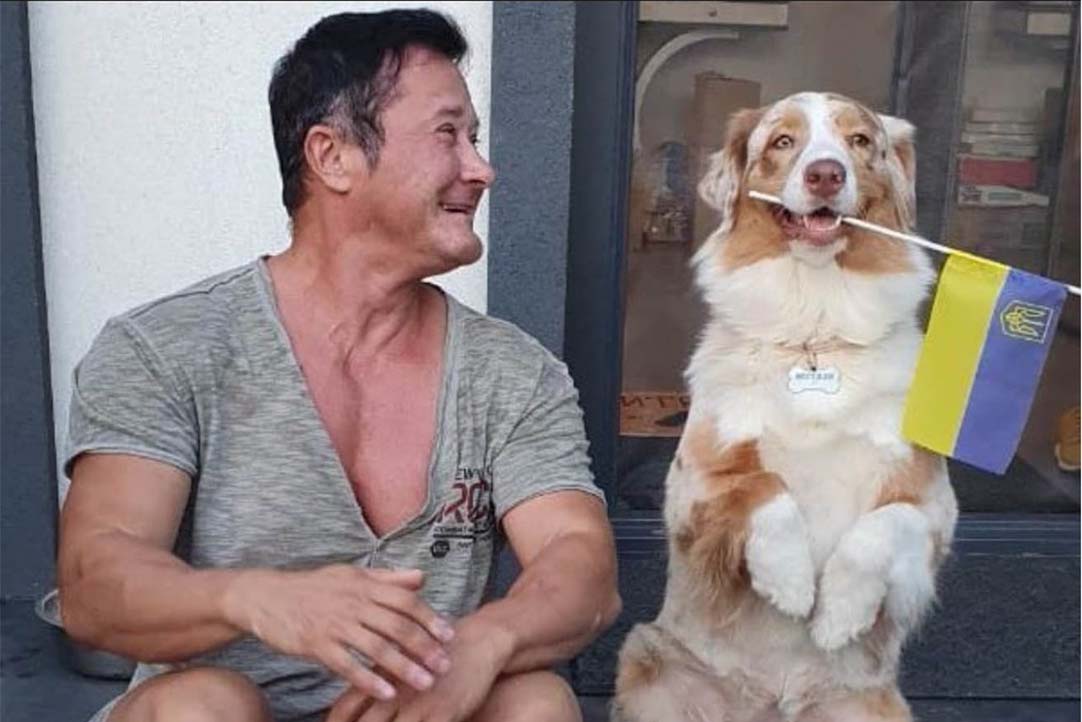
Artem
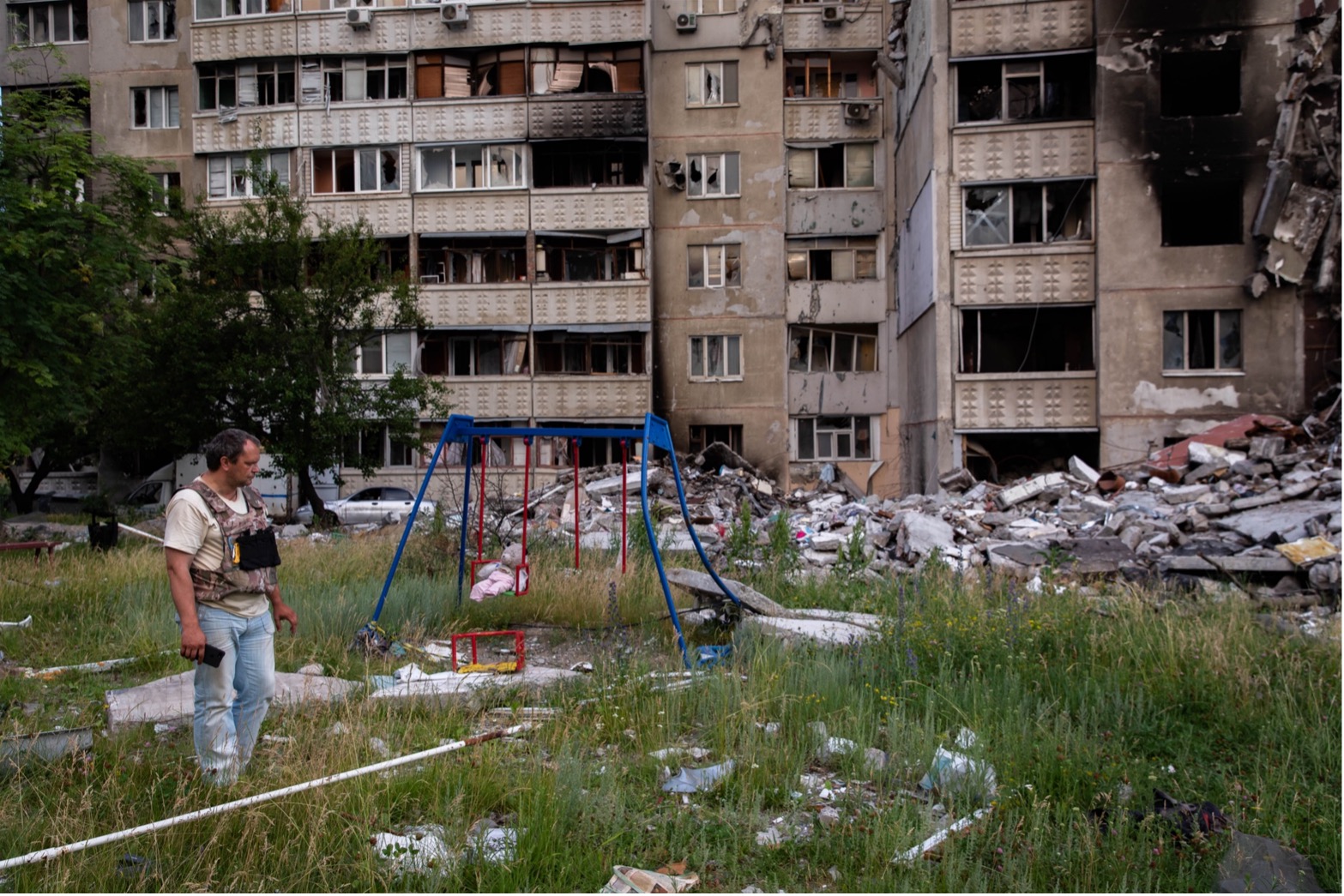
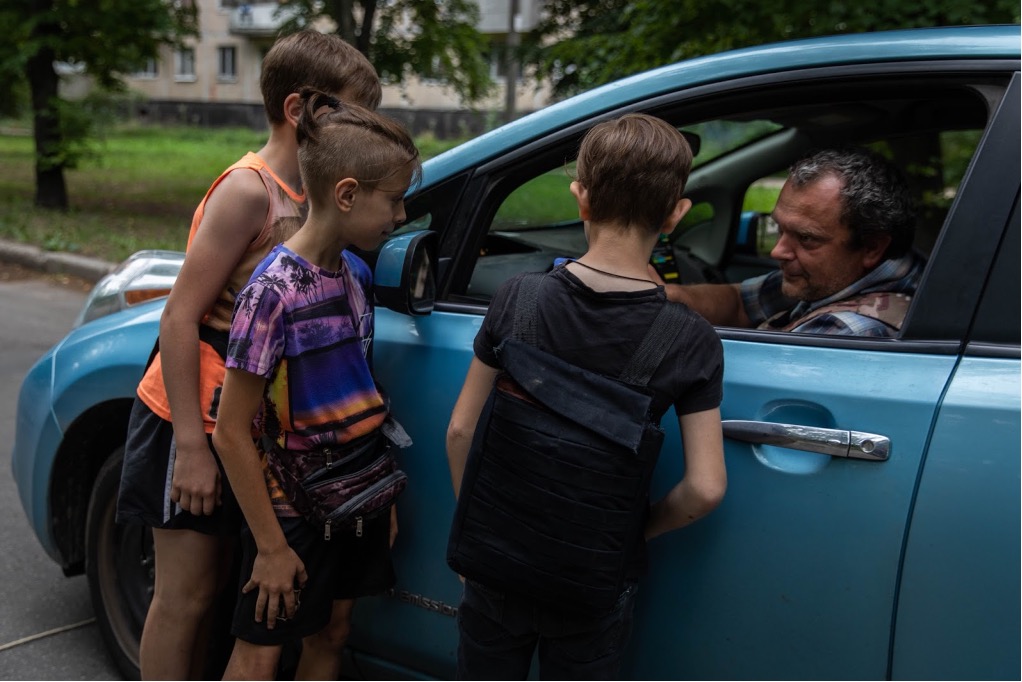
The sky is still dark when Artem’s day begins. By 5:30 a.m., he is behind the wheel of a war-battered light blue electric Nissan Leaf. The citywide curfew is in effect until 6, but exceptions are made for people like Artem, who volunteer long hours on the front line.
The tumult of war has brought uniformity to each day. In the morning, Artem drives doctors and nurses — many of them also volunteers — to hospitals and clinics throughout the city of Kharkiv. The afternoon is for humanitarian work; depending upon the day, Artem delivers food, medicine, and clothes to pensioners and those who have lost their income. In the evening, Artem returns to each hospital and transports the doctors and nurses back to their homes.
“I volunteer six days a week, one day off. But I use that day to work as a driver [to earn money] because in addition to renting a car, there are other expenses like utilities, food, clothing.”
“Since the war, everything else has now been put aside.”
With an easy, sincere smile, a fondness for ABBA, and a beloved cat named Lotus, Artem is unassuming. But to mistake his kindness for fragility would be unwise.
Born 70 kilometers (40 miles) from central Kharkiv, Artem remembers his childhood with fondness. “Together with our parents, the older children, and the younger ones, we went skiing in the forest, cooked food on an open fire, and celebrated the New Year together. It was a very beautiful time. I remember it with gratitude.”
Artem was driving a patient to the hospital on the morning of the invasion. “I couldn’t quit what I started, so I had to keep driving amidst the explosions. After the hospital, I picked up engineers from the power plant who had finished their shift[s]. I used to drive them every day—they counted on me, so I could not leave them. There were no thoughts of running away; I had to defend myself and help those who stayed behind.”
Artem organized a committed collective of volunteer drivers to meet urgent and evolving wartime needs. Today their team consists of 10 people, the youngest is 25, and the eldest is nearing 65. Artem and his colleagues in the taxi fleet transport volunteers, deliver meals, distribute humanitarian aid, and provide rides to those in need. The taxi fleet relies on electric cars due to the fuel shortage throughout the country and limited working public transport.
The work is dangerous, and each day presents new risks and challenges.
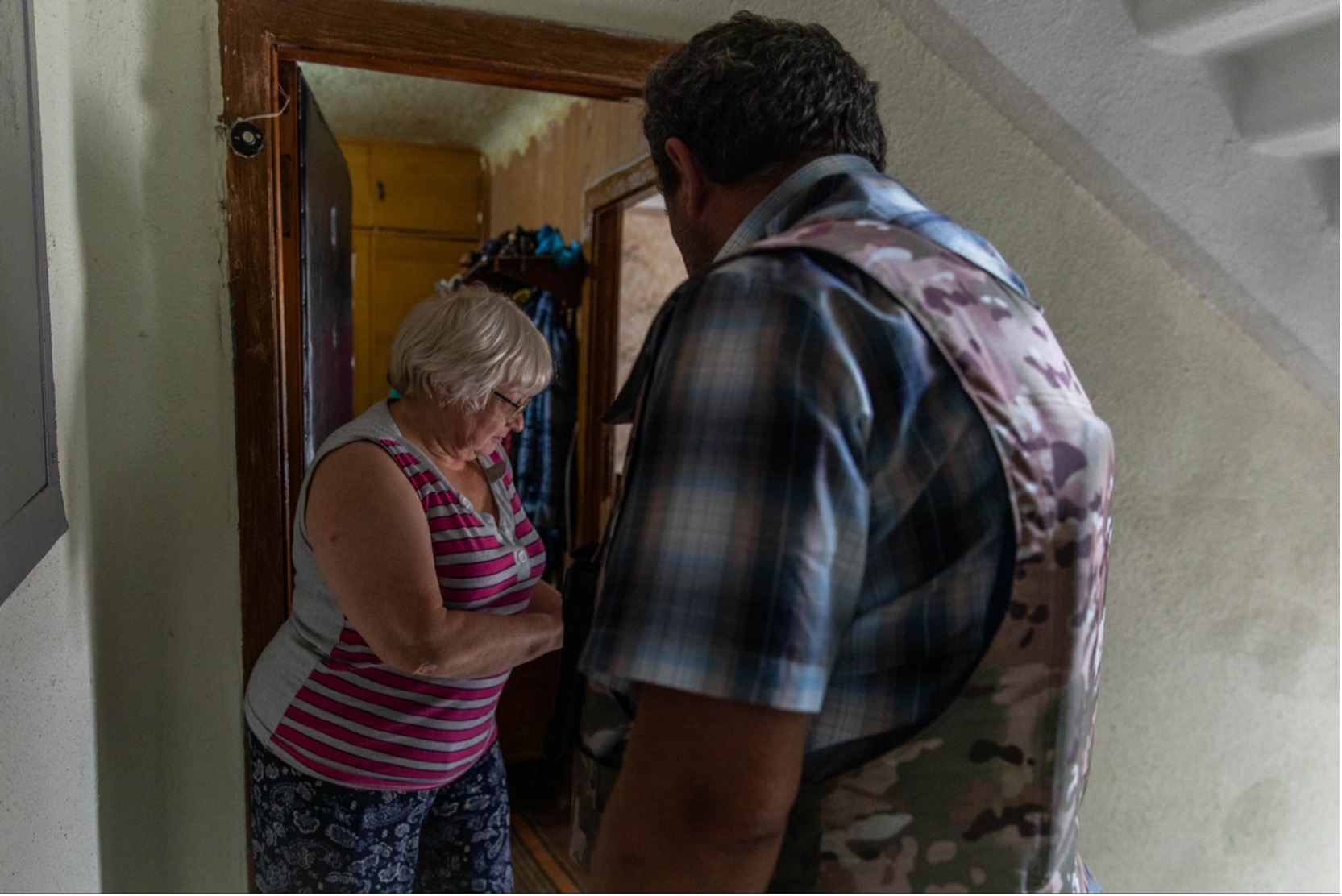
Kharkiv, Ukraine’s second-largest city, is located near the Russian border and has been under near-daily shelling since late February.
“I was under fire several times but never abandoned the car and did not take cover anywhere. If I lose the car, it will be very difficult to find another one, and without a car, I will not be effective. I almost always manage to get out of the shelling zone without critical damages.”
Artem controls his fear with a profound sense of responsibility. When asked if he’s afraid he responds:
“Of course, I’m afraid, but I don’t let the fear control me. I can't sit in a basement stuffing my belly with humanitarian aid and acting like a military expert. I cannot and do not want to sit idly by. I understand that only coordinated actions and mutual assistance will lead to the desired result. I want to help and could not be in the military, so I became a volunteer.”
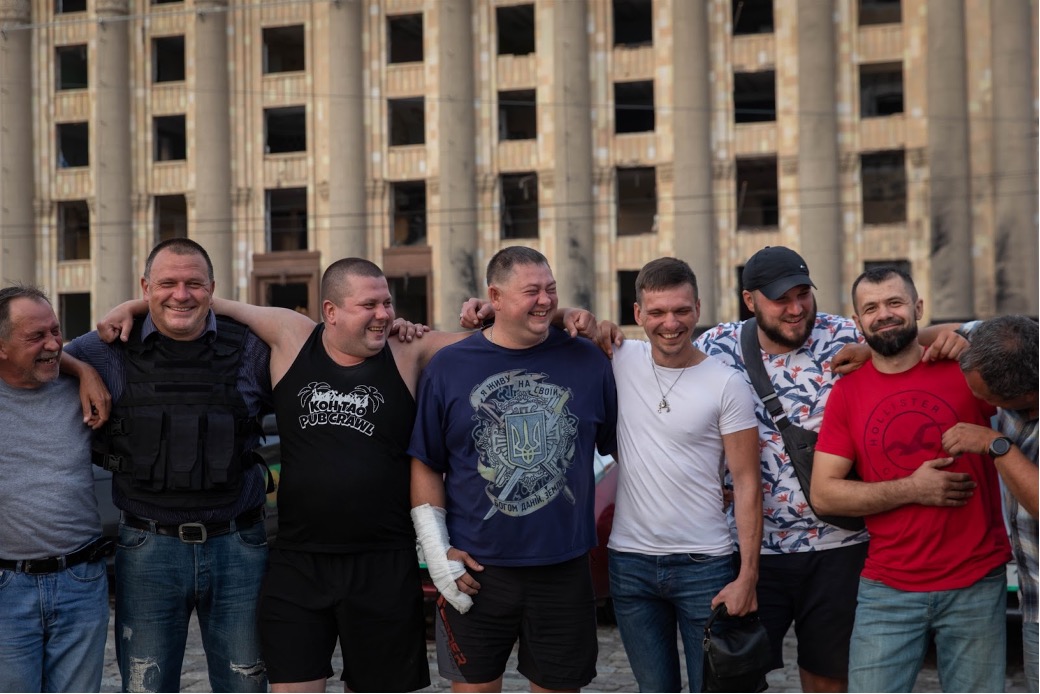
Salam, Ludmilla, Chef Gella, Artem, and Anna are just a few examples of ordinary citizens who gave up everything to help those devastated by the war. Thousands of Ukrainians and foreign citizens work tirelessly every day to evacuate, shelter, feed, and care for those in greatest need. Those who stay behind do what they can to help one another survive this war.
As Ivan from Mykolaiv put it, “What can I tell you? People here, we cannot just sit and wait. We must make our own contribution. We must do what we can for the future of our country.”
For more from this series, please visit our Voices of Ukraine mini-site.