
![[WEBINAR] What the Future: Success](/sites/default/files/styles/main_image_612x500/public/ct/event/2026-07/thumbnail-wtf-success-.png?itok=aSgzlHjm)
[WEBINAR] What the Future: Success
You probably want to help your customers succeed.
For generations, the American timeline of success followed a predictable script: graduate, get a job, buy a house and start a family. Each milestone shaped how people spent and saved. Today, those milestones are happening on a much different timeline, if at all. And despite their best efforts, many Americans are falling short of their most important goals. Building on the findings in last year’s American Dream issue, a majority of Americans still believe in the dream, but a growing majority think it’s harder to reach than it used to be.
During our What the Future: Success panel discussion, we explore the modern milestones for success and how brand leaders across industry and public policy can adapt now with a deeper understanding of today’s consumer.
Speakers:
Matt Carmichael |
Jason Feifer |
Diana Wu David |
Mia Silverio |
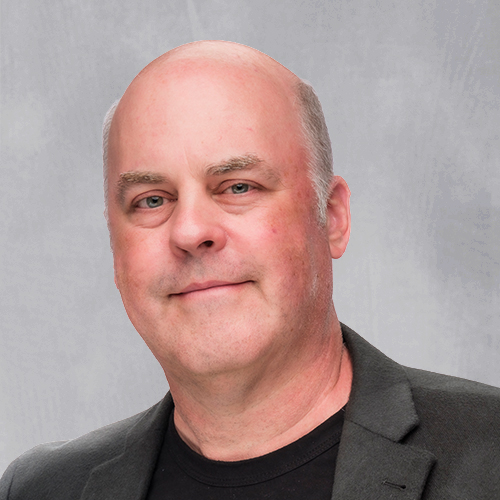
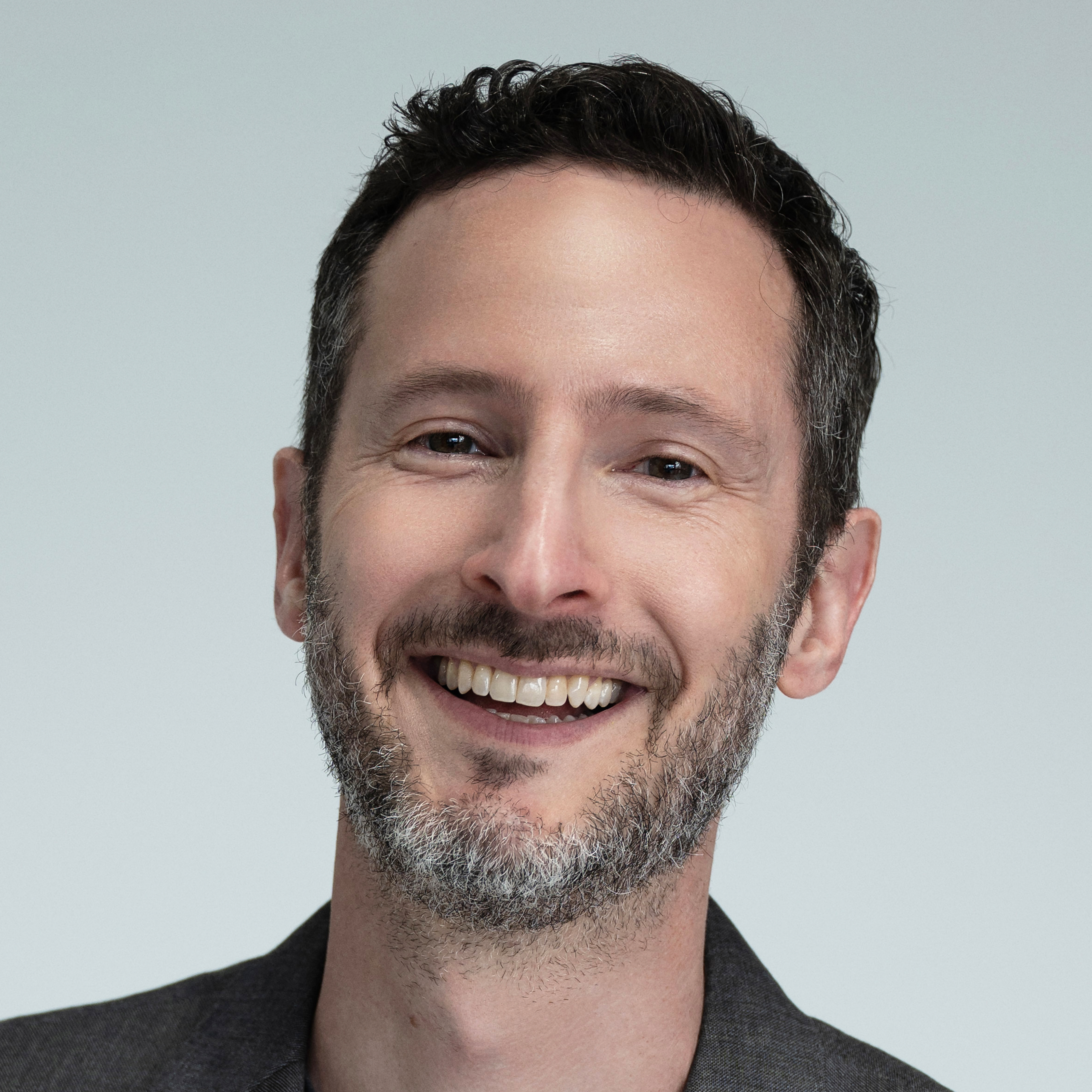
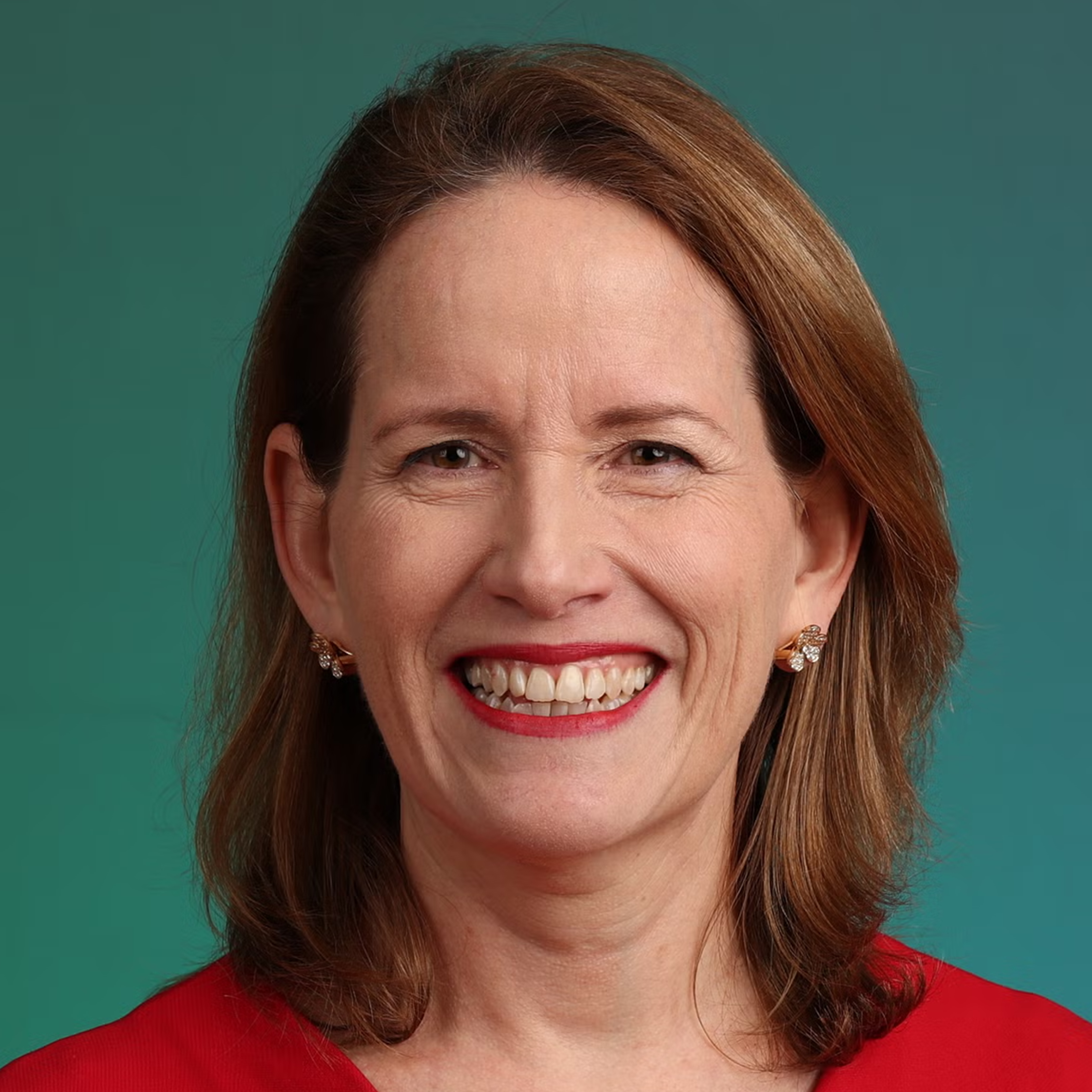

This What the Future webinar is part of our Brand America 250 Insights to Activate series. Revisit our portal of insights today!
Key highlights and takeaways:
The path to success is harder than it used to be:
What the Future’s Matt Carmichael explains possible reasons why there is a whopping 22-point rise since just last year in young Gen Zers’ agreement that the economy is rigged to the advantage of the rich and powerful.
“The ladder to success in America historically has involved education, home ownership, mobility, and often entrepreneurship. … A plurality, 42% say it works for some people, but also there are lots of other paths that can lead to success.”
People are reevaluating the cost of success:
ServiceNow’s Diana Wu David questions whether people are conflating status and success and rethinking whether the traditional career ladder is worth the personal the cost of it.
“People that I speak to are looking at what that wealth, that status, the title, what that cost in terms of health, personal relationships. And they're going, "Maybe not such a great trade."
“There was a real sense in prior generations that people, if they did the right thing and they went to the right schools and they played the right game, that there was a reward. And I think that there's just a lot of uncertainty in the world right now. And that this is a response to that. … Maybe I'm not going to go all-in on the Goldman Sachs Investment Banking. Maybe I'll also have a relationship and my health.”
Social connection is becoming more critical for success:
Prof G’s Mia Silverio explains that isolation of remote work and AI is compounding the psychological challenges young men face as masculinity is being redefined, but men struggle to find jobs to be the provider they still see as a key part of manhood.
“We know that the No. 1 predictor of happiness in life is relationships. And men are just worse at making and keeping relationships and specifically friendships. 15% of men now have no friends. Like none. 10% of women. But this stat for men is up 5X since the ’90s.”
Why making yourself the product puts you in charge of your career:
Entrepreneur’s Feifer shared a story about one entrepreneur’s approach to achieving “permissionless success.”
“There are two ways to be in the world. You can be interchangeable or you could be singular. And if you're interchangeable, then your value is low because you're a commodity. You just have a skill that a lot of other people have. But if you can figure out how to be singular and stand out in a marketplace distinctly, so people say, "I need that person. I need them," then your value is high because you've created scarcity for yourself.”
How people are networking outside of work:
Prof G’s Mia Silverio shared the growth of alternative post-work activities driving the experience economy as a reaction remote work isolation:
“There are sauna raves now. I almost went to a goat grazing event a couple weekends ago. … watching them graze.”
Full Transcript:
Matt Carmichael (00:08):
Welcome to the Future of Success. Success is a fascinating topic because our definitions of it are or maybe aren't shifting. I'm Matt Carmichael, editor of What the Future and your host today. We're on location filming in Brooklyn. In a moment, I'm going to sit down with Jason Feifer, the editor of Entrepreneur Magazine; Mia Silverio, head of research for Scott Galloway's Prof G Media; and Diana Wu David, futurist at ServiceNow. Success is a vibe. In the 1990s, the Northwestern University football team was historically generationally not good at football. Wikipedia described the team at that time as a perennial doormat, but new coach, Gary Barnett, took over, and like most new coaches, swore things would be different. It started with a mantra, expect victory, which as you can imagine, was a massive mind shift after decades of losing three games for every win. It shifted not just the mentality of the players, but also the fans.
Matt Carmichael (01:10):
And it worked. By 1996, the team went to the Rose Bowl and graced a Wheaties box, and student applications went up 30%. When my twins were born and we suddenly had three kids under three in the house, my family pivoted that slogan to redefine victory. Some days that meant no more than, "Hey, we made it and everyone got fed on time." America hasn't necessarily adopted my catchphrase, but nonetheless, victory today means something different or happens at a different timeline than it used to. If you're a marketer, you really should be paying attention to these shifts. What's certainly true is that, and this is the feeling shared by a majority of Americans, is that success is harder to achieve. There are a lot of reasons why that is, but also a lot of new avenues of opportunity. What brand doesn't want its customers to succeed? Put another way, what brand doesn't succeed when its customers do?
Matt Carmichael (02:00):
I was in my 30s when we made the jump to three kids, and that's not uncommon these days. Marriage used to be something one did after graduating high school. Kids naturally followed soon after that. And after a couple years in the workforce, folks tended to buy a home and settle down. Each of those milestones led to massive changes in how people spent and saved, and they still do. They're just happening later, if at all. These are some of the ways that we've redefined success since 1970 or so. Now, for four times as many people as then, it includes a college degree. That alone pushes out our milestones. It takes us longer to get established, especially as debt comes with that degree for many. But play this out. If we get married and have kids at 30 instead of 21, we'll be partway into our careers.
Matt Carmichael (02:46):
We'll have different childcare needs. We'll have different needs for flexibility. We'll likely still be renting as the age of our first home purchase is now close to 40. When we get to our home, we'll have older kids than we used to. We'll have grandkids much later in life while we're also taking care of our aging parents. All that said, we haven't totally redefined success. Younger Americans, in fact, younger folks the world over aspire to many of the same milestones previous generations did. The problem is that as we saw in our What the Future American dream issue last year, while a majority believe in the dream, a larger majority think it's harder to reach than it used to be. For the young Gen Zers, there is a whopping 22-point rise since just last year in their agreement that the economy is rigged to the advantage of the rich and powerful.
Matt Carmichael (03:34):
The letter to success in America historically has involved education, home ownership, mobility, and often entrepreneurship. Being born on a higher rung certainly helps. It's seen as the most likely way to be successful according to 71% of Americans. But for almost all of the things Americans say they need to feel successful, we're falling short. So in reading the data in this issue, one way, the system works. Those who are more affluent or more educated tend to say they are successful at a higher rate than those who don't. Reading the data another way, the system has worked for those it was designed to work for. One in five, 22%, say the traditional path is outdated and is no longer a guarantee of success. Another 17% say it's flawed and can leave people less successful if they try to follow that path. But a plurality, 42% say it works for some people, but also there are lots of other paths that can lead to success.
Matt Carmichael (04:31):
But only 14% say it's still the most reliable way to make it in America. What is replacing this path? For some, it's multiple jobs. Call it the 1099 economy or the gig economy. Those jobs typically tout flexibility, if not high wages. ADP estimates one in 10 workers are working those jobs in a typical month, but one in four takes on some sort of gig job over the course of a year. But just because people are working these jobs, it doesn't mean they think they will lead to success. A plurality, 43%, would prefer the traditional model of one full-time job. And a sizable majority, 70%, say that companies have a duty to pay its workers living wages to help them succeed. The problem for so many of that is that whatever our goals, from health to financial security, to setting up the next generation for success, we feel as though we are falling short.
Matt Carmichael (05:26)
So how can you, as a brand or policy leader, help people reach success in the constellation of these modern milestones? That's what I'm going to sit down with my super smart friends here to dig into. Helping your customers succeed can build the relations that will help you succeed in the future too. Define that victory how you will and redefine it as needed. But it all starts with a deep understanding of today's consumer. That's the focus of our Future of Success issue, out now at future.ipsos.com. The magazine features conversations with Bosch Power Tools, Northwestern Mutual, and Shippo, as well as our exclusive Future of Success survey data. Today we'll go in additional directions, and I'm stoked to be talking about that here today with Jason, Mia, and Diana. So let's dive in. So now I've brought in my panel, and we are taping this in a basement in Brooklyn because New York is a great place to show that you have been successful.
Matt Carmichael (06:26):
So we've got some awesome folks. We're going to talk success, and we'll start with Jason to introduce himself.
Jason Feifer (06:31):
And if you have a basement in Brooklyn, that is a sign of success. Everyone in Brooklyn recognizes it. Hey, I'm Jason Pfeiffer. I'm the editor-in-chief of Entrepreneur Magazine. I've done that for 10 years. What that means is that I have a professional excuse to travel the world, studying and learning from the world's most impressive leaders and entrepreneurs.
Mia Silverio (06:46):
I'm Mia Silverio, and I lead research at Prof G Media.
Diana Wu David (06:49):
My name is Diana Wu David. I'm head of Futures at ServiceNow and author of Future Proof: Reinventing Work in An Age of Acceleration.
Matt Carmichael (06:57):
Awesome. So again, we are here to talk about the future of success. And you are all coming at this from kind of different perspectives, from journalism, from marketing, from B2B, and kind of B2C things. So how are each of you kind of seeing people define success in different ways? Maybe we can start with Jason. Sure.
Jason Feifer (07:15):
Well, coming from the world of entrepreneurship, a big topic is how to define success for yourself. I think that the, the trap that people find themselves in, and we do this a lot in the early parts of our careers and the early parts of building our companies, is that we use other people's metrics of and definitions of success on our own. And then we end up building towards something that we're not really sure why we're doing it or how it's supposed to be satisfying. I have met people who have spent their entire careers chasing something that they can't really even explain why they want. And so I always encourage people to step back and really define success for yourself. It doesn't have to be that you build towards a billion dollar company. It doesn't have to be that you make a certain amount of money.
Jason Feifer (07:58):
What ultimately is the thing that is going to make you happy on a day-to-day, not highs, not lows basis? This is something I challenge myself on a lot, which is on a regular day, when I'm not doing the things that are, that are spikes of happiness, right? We all have, love spikes of happiness, but those can't be what you live on. On a day-to-day, what is the thing that makes me happiest? And what I've found personally, I've defined it as being in physical motion, interacting with interesting people about interesting things. If I can create a space in which I'm doing that, where I make money doing that, where I'm not worried about supporting my family while being able to move around and enjoy interesting people and interesting ideas, that to me is success. That's what I'm living on.
Diana Wu David (08:42):
I totally love that, because so many people say, "Okay, as a futurist, how do you keep up with all of the things that you need to know?" And I always say, "I would do that anyway. So I have constructed a career where I can actually find somebody who will pay me to do the stuff I'm obsessed with anyway." So I completely agree. Although we also are in a different time where I feel like there used to be more linear "Here's what you do if you do want that external version of success." And now kind of all bets are off. Like, the kids I have that are coming into the world, they don't even have that choice, I don't think. They really have to make it up as they go along.
Mia Silverio (09:26):
Yeah. We talk a lot about the kind of younger generations at, at Prof G Media. And something that w- we've talked a lot about is how success kind of used to be, I think, thought of as material wealth and, you know, owning a home and having a family and then sending those kids to college. And I think what we've seen is increasingly just not possible. And so Gen Z is kind of redefining what success means in terms of relationships and as you mentioned, more control over our own time.
Matt Carmichael (10:04):
Yeah. So in the opening, I talk a lot about kind of modern milestones and how life stages are thing we, we don't pay enough attention to because we're looking at generational slices. And in our data, we see that from teenagers on, people aspire to a lot of the same things. Like, they all want to kind of hit the, "I want to get married. I want to have kids. I want to have a house." The house is a little bit down and career is a little bit down. And again, I think, as you've been talking about, that's a little bit aspirational. But the things that we value in terms of wealth and health and relationships are all pretty consistent, not even just across ages, but across the globe. We see a lot of the same sort of values that we have. But the career part is really kind of interesting. And is that something you're seeing? You do a lot of future work stuff? Is that.
Diana Wu David (10:54):
When I hear what you're saying, I think that part of it may be the ebb and flow of we reach for status. I would say to a certain extent, we conflate success and status and we're very much going, "Okay, what's going to make me feel successful?" And the cost of that. So there's this sense I have that people that I speak to are looking at what that wealth, that status, the title, what that cost in terms of health, personal relationships. And they're going, "Maybe not such a great trade." So there is definitely that aspect that I see in future of work trends and in my own life and in the lives of people in our company. I think that people want to feel like they matter. And that is something that has changed over time.
Diana Wu David (11:51):
So it used to be, "Okay, I'm going to get the good job. I'm going to get the good title." And, you know, as you rightly mentioned, maybe the things that we're looking at now are really, you know, I want to, I want the relationships. I maybe want to be more entrepreneurial. It's not like the kind of broken ladder that I think I have to climb now. It. There was a real sense in prior generations that people, if they did the right thing and they went to the right schools and they played the right game, that there was a reward. And I think that there's just a lot of uncertainty in the world right now. And that this is a response to that. It's almost like a diversification of your portfolio. Maybe I'm not going to go all-in on the Goldman Sachs Investment Banking. Maybe I'll also have a relationship and, and my health and, you know, maybe that's what we're seeing.
Jason Feifer (12:48):
You know, as you said, status, I started to think, what is the function of status culturally? And I think the f - my hypothesis here, pushback on it, is that the function of status culturally is a definition of what key gets me into the club. Right? So I'm going to define what club I want, what in crowd do I want to be in, and then I need to achieve the status that allows me into the club. And so if you're thinking about it that way, then you have to start thinking, well, what defines the club and what defines the club today? And if we go back a couple generations and we think about careers, we think about very clear career paths and companies that you can stay at your entire career. And so people would aspire to be, let's say, to, to, to rise up in Goldman Sachs, and that's the club they want to be a part of, and all the status markers that are surrounded.
Jason Feifer (13:37):
But now, because careers are so unpredictable, because there's a lot of great advice out there, out there that I think you need to start thinking about, especially if you're younger, you need to start thinking about your careers and really just maybe three-to-four-year spans. And every three to four years, you're going to have to step back and reevaluate and maybe make a big shift to stay ahead of whatever's changing inside of the economy. So the traditional markers that we had of what the club is and what club you want to be a part of doesn't exist, which means that it is now left up to the distributed cultural masses to define those clubs. And so, again, I go back to this health thing, right? There's so much obsession over health, and health is totally a club. One of the people I work with at Entrepreneur is obsessed with health.
Jason Feifer (14:25):
He's listening to all the health podcasts. We'll get on these meetings and he'll find another health person, and now they're talking about health for the next. It's such a status thing. Okay. community -
Diana Wu David (14:32):
It's also very visual.
Jason Feifer (14:33):
Anything else. Yeah. And it's visual and it works. And so I think that this is just culture in a vacuum defining in crowds, and then people internalizing what's required to be part of the in crowd that they identify they want to be inside of.
Mia Silverio (14:47):
Yeah. I, I think it's helpful as, as you've referenced to look, look back at prior generations. And, you know, success is culturally defined and defined by the comparisons that you make. And in, you know, in the '80s, maybe it was defined by your neighbors who were probably of relatively similar economic status as you. And now I think the most visible, kind of high-status people for the younger generations are influencers. And I think one of the really high-status markers of influencers isn't necessarily extreme wealth, but extreme freedom. Yeah. And, and this perception that they are just operating without any real stresses, and they're traveling the world, and they have amazing relationships. And I think that is now what's considered high status.
Diana Wu David (15:46):
I, not just for young people. Elder influencers are also, you know, about longevity and health and the freedom to travel and to, frankly, the freedom to do the things that you want to do. The way to spend your time.
Jason Feifer (16:04):
You know, I offer a hot take here. So I know that there's been some surveying lately showing that, what is it? In, some surveys, the number one thing that young people aspire to is to be an influencer. And people will say, "Oh, that's awful." But, you know, I think the number one thing that people, the kids aspire to when I was growing up in the 80s and 90s was probably be an actor or be a professional athlete. So I don't know, is this really much different? And I would argue, here's my hot take. The influencer thing, much better. This is actually a great, great thing to aspire to because of what it represents, which is permissionless success.
Diana Wu David (16:41):
I totally don't agree with that.
Jason Feifer (16:43):
Great. That's why, that's why we're here.
Diana Wu David (16:47):
I actually wrote about that in my book. Ah. Which is about owning your own sort of self and as an asset in that brand as a sort of insurance in a very volatile life. Yeah. So that part I agree with reluctantly, but the permissionless thing is the thing that I'm having trouble with. Because you go from single point of failure permission, you know, boss, can I do this thing? Right. And it's a yes, no, to crowdsourced permission. To a certain extent, the permission is now the value that you provide and the people who are saying, "I gave you permission to continue because, because you're serving me." So, I mean, it's, it's distributed.
Jason Feifer (17:29)
But wait, wait, is that a bad thing? That's not any different than selling a product and finding product, product market fit.
Diana Wu David (17:33):
It's not, but it's not that you all of a sudden have permission to do anything. You just have -
Jason Feifer (17:40):
Well, you're constrained by the market and what the market will bear. Yes. But I like Stephen John, or however you pronounce his name, Stephen John, I'm not sure, started out making gross-out videos because there's lots of gross-out videos on YouTube and didn't really get a lot of success with it. And then pivoted into creating a children's character named Blippi, which, anyone who's had a kid, a young kid in the last 10 years knows Blippi. And the thing rocket-fired on YouTube, and then he sold it to a company that's just buying up kids IP. And that kid, that guy is off to the sunset now. And that, to me, is permissionless success. He tried one thing that he was seeing in the marketplace. It wasn't working. He decided to pivot and figure out something else.
Jason Feifer (18:25):
He basically created a different product. He took it to market. He figured out who the audience is, and he grew it. And that product is him. And I think that that's wonderful, which is not to say that everybody needs to be the product themselves. I think that look, there are two ways to be in the world. You can be interchangeable or you could be singular. And if you're interchangeable, then your value is low because you're a commodity. You just have a skill that a lot of other people have. But if you can figure out how to be singular and stand out in a marketplace distinctly, so people say, "I need that person. I need them," then your value is high because you've created scarcity for yourself. There's lots of ways to do that. You can do it inside of an organization, but to me, that's what success looks like.
Matt Carmichael (19:01)
And so, as we think about kind of the brand world around us, A on the succeeding thing and kids aspiring to that, I think there is something about it's a useful aspiration because you have to be kind of good at something in order for other people to want to listen to you be about that. And so even if your audience kind of fails or the algorithm changes and it doesn't prioritize the thing you do, you've still gained a certain proficiency in something. It's like if you don't make the NBA, the second rung is you don't have an income. So if you are not an NBA basketball player, then what, right?
Jason Feifer (19:40):
You play in China. Yeah.
Matt Carmichael (19:43):
But, you know, in terms of brands, I think you're right, that creating something that other people want is fundamental to how brands exist. But to your point it's especially easy in today's world to lose your audience. To do something that goes against the values that your brand stands for, whether that's as an influencer or as a CPG product. And to the permission point, how do we keep that permission and keep the kind of trust that we need in order to keep our audience and our product and ourselves, again, whether that's us as a person and an influencer or a product, an automobile company or whatever. How do we do that in today's world and keep that success that we've built for ourselves?
Mia Silverio (20:30):
My reaction to hearing you guys banter was that [Jason] duke it out. [Mia] Yeah, which I love. I think that a lot of times, you know, building your own singular brand is a bit glorified. It's really hard to do. The amount of actual people who can make a living from being a content creator is extremely small. And I think speaking realistically, I think the path of going and working at a large corporation is potentially being undervalued right now. I think large corporations are undervaluing young talent right now, but that's kind of a different story. But I think you can learn a lot from working at a big company. You can, you can achieve kind of a level of autonomy in certain ways and security that you can't as an independent creator., And I don't, I don't know. I think there's a level of glorification of going out on your own right now.
Jason Feifer (21:46):
Let me. I, I appreciate and agree with that. So, add a nuance that I should have before. I don't think that the only way to do the thing that I'm describing is to be a content creator. That is a crowded marketplace, and most people lose at it. So, I recently gave a talk at Intuit. Giant company, right? They own MailChimp and TurboTax. I don't know. I don't want to misrepresent. A bunch of other things. Yeah. And I got into this with a bunch of senior leaders about this question of how do you stand out? How do you make yourself singular? And I challenge people to come up with answers to that. And I really love. There's this one guy who raised his hand and he said, he said, "The way in which I am singular inside of this organization is that I have become the guy who can solve problems that people can't define." So when you see a problem and you don't exactly know what the problem is, you just know that there is a problem, you call him.
Jason Feifer (22:42):
He will come in and diagnose it and then come up with the solution. And that has made him stand out in that organization in a way. And that creates a kind of permissionlessness for him. And I bet that there's some content involved there. I bet that he shares a lot of stuff internally, and it helps reinforce that perception. He doesn't need to do it externally, or maybe he does too. Maybe he posts on LinkedIn, that's great. But I, I'm saying to, to define yourself and your value to other people doesn't have to be that you're posting on Instagram every day, but it does have to be that you're thinking of yourself as a distinct asset.
Matt Carmichael (23:16):
So, Mia works for Scott Galloway, who is the Prof G of Prof G media and has obviously been very successful at creating an empire around all these things. And one of the things I really respect about Scott is that it's not all about him. He is trying to also create something that is sustainable that, that's why it's not just Scott Galloway Incorporated, it's Prof G Media and, you know, he talks a lot about how he has a staff and a team and he pays them well and they hang out for a long time and he's very transparent about all of that. And so I love that he's trying to build something that will outlast him and something that allows other people in his company to also succeed and thrive and find pathways for themselves. And I think that's really cool. But his most recent book is kind of a little bit about fatherhood and gets a lot into the struggles that young men, especially, are facing now. And how are you seeing young men and young women struggling and how are they kind of dealing with trying to succeed in a world that, you know, in our data we see they feel is really stacked against them?
Mia Silverio (24:26):
Yeah. We talk a lot about young men and the struggles they face. And I think one of the reasons why young men are struggling right now kind of in, more than young women is that I think for all the progress we've made around redefining masculinity, I think there's still a perception, and this comes up in the data as well, that being a provider is still like a central part of what people see as like masculinity and manhood. And so I think when, you know, the entry level hiring is down 35% in the past three years, like when young men can't find a job, I think that psychologically hits harder. I also think a really big part of this that we don't talk about as much is that we know that the number one predictor of happiness in life is relationships.
Mia Silverio (25:19):
And men are just worse at making and keeping relationships and specifically friendships. 15% of men now have no friends. Like none. 10% of women. But that's, this stat for men is up 5X since the 90s. And I think in the age where like we're spending seven hours a day on our phones and like AI is making it even easier to not interact with actual people. I think that's compounding all of the challenges and making things feel a lot harder.
Matt Carmichael (25:57):
And that kind of goes to the point about success and status. And one of the reasons people have status is to show off to whoever they want to partner with. And so I can see how that all sort of ties it all back together.
Diana Wu David (26:09):
So I'm curious because I have spent the last 25 years in Asia and just come back to the U.S. last year. And I do have some of those young men both work with and in my family. And one of the things I've noticed is that in order for us to have the health and the Instagram and all of these kinds of performative surface-level, I'm not going to call it a facade, but like lifestyle, let's say, it's very helpful to have remote work. And there's so much remote work here. And I have really wondered if that has been a factor in how people are managing to make relationships and, you know, relationships are hard. You have to go, you have to be in proximity to people. You know, it, it can't take that much effort and work used to do that for us. So what do you think?
Mia Silverio (27:11):
Yeah, I think it's played a huge role, honestly. I only experienced six months of pre-pandemic work life. And it was just so different. We're a hybrid organization, and so we do have an office space. But it's just like an entire eight hours of your day that you used to spend around people and now you maybe spend it alone. We're saying 30% less words than we did two decades ago. We're just interacting with people less. And I think humans are social animals. I think that's making everyone, frankly, more depressed and anxious.
Diana Wu David (27:43):
Hmm.
Jason Feifer (29:59):
Entrepreneur became a remote company. I work out of my home office now. As a guy in his 40s, I love it because I've already built my network. I already have all the people to see. But as you're talking, I'm reflecting back on my 20s, and every friend came from work. Every one of them. And so, and that wouldn't have happened. So, that is very interesting, and it makes me think, okay, look, companies, I think, would probably like to have everybody back, but people have rebelled, and it's, it's in a holding pattern of sorts. So, the question then becomes what next? I think that every time there's a problem in a market, somebody recognizes an opportunity. And it makes me think about all the different factors floating around right now. For example, AI, you mentioned AI. Well, AI is also an efficiency tool.
Jason Feifer (28:55):
Does AI make our work a little more efficient, creating a little more free time in our day? And then does somebody step in and say, "You know, all these remote people who have a little more time in their day, let's bring them all together." There have been efforts of that, of co-working spaces. I don't think that that quite works, but I would bet that something is going to happen here where there's a craving for that human connection. You said we're human, we're social creatures, and there's also an efficiency happening in our work. And, and those combine into something that starts to look like the way in which we interact with each other during the day starts to take a somewhat different shape.
Mia Silverio (29:31):
I think that is the experience economy. And I think it's, it's already here, and I think it's growing. We've done some segments on the growth of alternative post-work activities. So, there are sauna raves now. I almost went to a goat grazing event a couple weekends ago.
Diana Wu David (29:59)
Missed that one Yeah.
Mia Silverio (29:54):
It was just a joke. And we're in New York, right?
Diana Wu David (29:59):
We're sitting in New York.
Jason Feifer (30:00):
What is goat grazing? Are you grazing with the goats?
Mia Silverio (30:03):
It would be watching them graze. Okay but there's just a preponderance of events like that on all these different, event apps that are popping up. I mean like, concerts, AMC, I think, just posted record revenues. People are going back to the movies. Yeah, fascinating. And you see young people allocating more money towards live events and experiences. And I think maybe that's kind of the reaction too.
Diana Wu David (30:34):
It is. And to your point earlier about, you know, and large enterprises are undersold. I do see that. Like, I actually, my weird experience is my first ever job was working for Henry Kissinger, and I was the youngest person in Kissinger Associates by 40 years. So I also had no work friends, but I had a roommate, and so I borrowed hers. But now, I see the perfect place to be is in our office. We have tons of you know, socials and all these different things that would make it a fabulous place to, as so many young people do, move to New York City, having not lived here find a group of people, go out after, do volunteering. All of that is kind of facilitated by that work environment. And you're sort of, you don't have to necessarily build your brand immediately.
Diana Wu David (31:29):
You build your identity, but you're kind of under the halo of the bigger brand. So I do think that that is something that young people will lean into more. And I do see that actually in, you know, the, the group of young people I speak to at my work and others where they're saying, "Yeah, you know, I'm, I'm interning here. I'm meeting people. These are the people that are going to be in my network later." And, you know, I, that, that makes me happy and optimistic. Like, they're going to, they're going to get the relationships and the job and all the things that we want. Maybe not the health, depending on where they go.
Jason Feifer (32:03):
Or how much they spend. Yeah. The experience economy thing that you said is really fascinating. I hadn't heard that, but it, it just, it sounded like an echo of when we shifted away as a, as a nation from being a purely agricultural society. So we, there was the introduction of automated farming tools and a great fear that this was just going to put lots of people out of work and, and there was going to be, you know, mass starvation and, and, and disassociation. And what happened instead, of course, was that the people who had the farms now made more money and had time to spend that money. And so was born the leisure economy. I mean, the reason why we have professional baseball, the reason why we have movie theaters comes out of that. There was always, there's always these shifts. You know, I think the thing that we fear in cultural shifts is that the shift will happen, but the culture will remain static and won't know how to react to it.
Jason Feifer (33:00):
But that's not the case. This could be very well part of the answer to some of the problems that we're seeing, which is people are recognizing the need and desire to be together in unique and interesting ways, which creates new businesses and new employment and economic opportunities and also new create, new relationships.
Mia Silverio (33:19):
Do you think the internet, the dawn of the internet created gave people extra time? Because I feel like people are just working more. And I think with AI, I fear that the same thing will happen. Like, I mean, studies of productivity have shown that productivity can actually decrease when you are using AI, and you end up spending double the amount of time on your email in chat rooms kind of trying to manage all the things that AI is doing. And I just fear that it's going to continue to eat up time and we're just going to spend more time at work.
Jason Feifer (33:57):
Samuel Morris, who invented the first commercially viable telegraph which was the first time that information could move faster than a horse. When he revolutionized the, we have the internet because we had Samuel Morris. Yeah. And when he retired, his peers threw him a party and gave speeches about what he had contributed to the world. And then one guy stood up and said, "You know, all that's great, but I can't leave the office and go home without being interrupted by work now. Work doesn't stop because of you. You have made lives busier." And that complaint has been verbalized ever since. So I think that our perception of this technology made us busier is ever present and is true in some way. But look, also, there's a cap. We're busy. Have we been ever busier since the dawn of the telegraph?
Jason Feifer (35:04):
I'm not totally sure about that. I think it's a just shift in the way in which we work. Has it created new problems? Absolutely. Has it created new opportunities? Absolutely. I think that it's less valuable to look at new technologies and say, "This is, this is how it changed us, and isn't that terrible?" And it's more valuable to say, "This is the resource available to us now, and how do we utilize it for the best results?" A lot of that experience economy, for example, is going to be organized and distributed on the internet, isn't it?
Diana Wu David (35:35):
So I think when we come back to personal success, to a certain extent, it's like your adaptability quotient. It's not, you know, grasping onto the old. It's saying, "Okay, I'm adaptable. I'm investing in my own adaptability. If goat grazing is the thing, I'm all in."
Matt Carmichael (35:54):
Who doesn't love goats? Yeah.
Jason Feifer (35:56):
Yeah. Why did we not tape this at a goat grazing event?
Diana Wu David (35:58):
Yeah, that's a great question.
Matt Carmichael (36:03):
That's a great question. So I think what I'm hearing a lot of is that there are still some changing ideas of success, and there are different ways that different groups are defining it. There are even different ways that those on the sofa are defining it. And those are a lot of things that we talk about in our future of success issues. So I think we can wrap here. I think this has been a success. Thank you so much for joining us. And again, I'm Matt Carmichael. I'm the editor of What the Future. This has been our Success issue. You can see the full issue online at future.ipsos.com. And one of the ways we see in our data that people are starting to kind of redefine their personal success is oddly about materialistic things and about their experiences. And so that will lead us right into our next issue, which is about the future of shopping.
Matt Carmichael (36:43):
So thanks very much for your attention and for being here and spending a little time thinking about the future, because I always like to close that when we do this, when we have these kind of conversations, when we get our minds going, when we get out of our everything is really busy and productive and we have to get back on our email. When we start to think about these kinds of possible tomorrows, we're going to ask better questions today. So thank you all.
Other events
-
15
Oct 2026![[WEBINAR] Know America at 250: Public Opinion Update](/sites/default/files/styles/200x112/public/ct/news_and_polls/2026-09/250_0.png?itok=hXQ8pr7b)
-
13
Oct 2026![[WEBINAR] Ipsos Global Trends 2026: The U.S. Edition](/sites/default/files/styles/200x112/public/ct/event/2026-09/thumbnail-gt-26.png?itok=vflnZwd-)
-
16
Nov 2026[WEBINAR] AI in Higher Education: How AI is Reshaping Teaching and Learning
- 12pmPT/3pmET
- Online webinar
![[WEBINAR] AI in Higher Education: How AI is Reshaping Teaching and Learning](/sites/default/files/styles/200x112/public/ct/event/2026-10/How%20AI%20Is%20Reshaping%20Teaching%20and%20Learning.png?itok=1FjmgRgd)