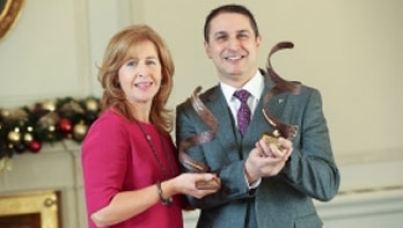
Ipsos MRBI, in partnership with Nutricia Medical and The Alzheimer’s Society of Ireland, have been honoured with Research Excellence Awards 2017 from the Marketing Society in two categories, Public Policy and Social Research and the overall Grand Prix winner.
The seemingly harmless Danish 'hygge' trend is now damaging our health, such is the way in which the British have interpreted it. It has been mistranslated as the 'easy life' and is often used as a justification for being a bit lazy.
Despite the answers we are still seeking, huge progress has been made since the initial discovery of anti-cancer drugs – and all in a relatively short space of time. Indeed, the pace of advancement has never been more rapid than it is today.
Australia’s economy is in transition. The nation is actively trying to set course for an economy where the relative GDP footprint earned from being the world’s quarry is smaller, replaced all manner of services, knowledge and experiences; mostly exported into emerging Asian countries. We are plotting a plan to be less brawn, more brains. Less soil, more skills.
Due to their busy lifestyle, more and more people in Hong Kong find over-the-counter (OTC) self-medication the most appropriate remedy to minor ailments.
Despite the advent of targeted therapies and the associated rise in the use of companion and complementary diagnostics, we are only just emerging from the initial exploratory stages of oncology biomarker testing. As will be argued in this paper, we are on the cusp of a much more radical revolution, and the molecular diagnostics landscape is set to change dramatically in the coming decades. It is crucial that any company entering this space prepare for this imminent upheaval and plan their launch strategy accordingly.
With care for older people rising up the policy agenda and generating widespread debate, we invite you to come on July 20 and hear the findings of our research project exploring unmet need for adult social care for older people and discuss the implications with our panel.
The Future Cities Dialogue engaged urban citizens in possible future urban scenarios. Citizen feedback on their preferences and priorities for future urban living is feeding into Innovate UK’s broader work on future urban systems integration and understanding and identifying the market opportunities this generates.
Root vegetables? Meditation? Cleansing diets? Juicing? E-cigarettes? In this month’s Thought Starter sourced by Ipsos’ eNation Omnibus, we take a closer look who’s participating in today’s lifestyle health trends.