

Takeaways from the midterms and an early look at the factors that will shape 2028
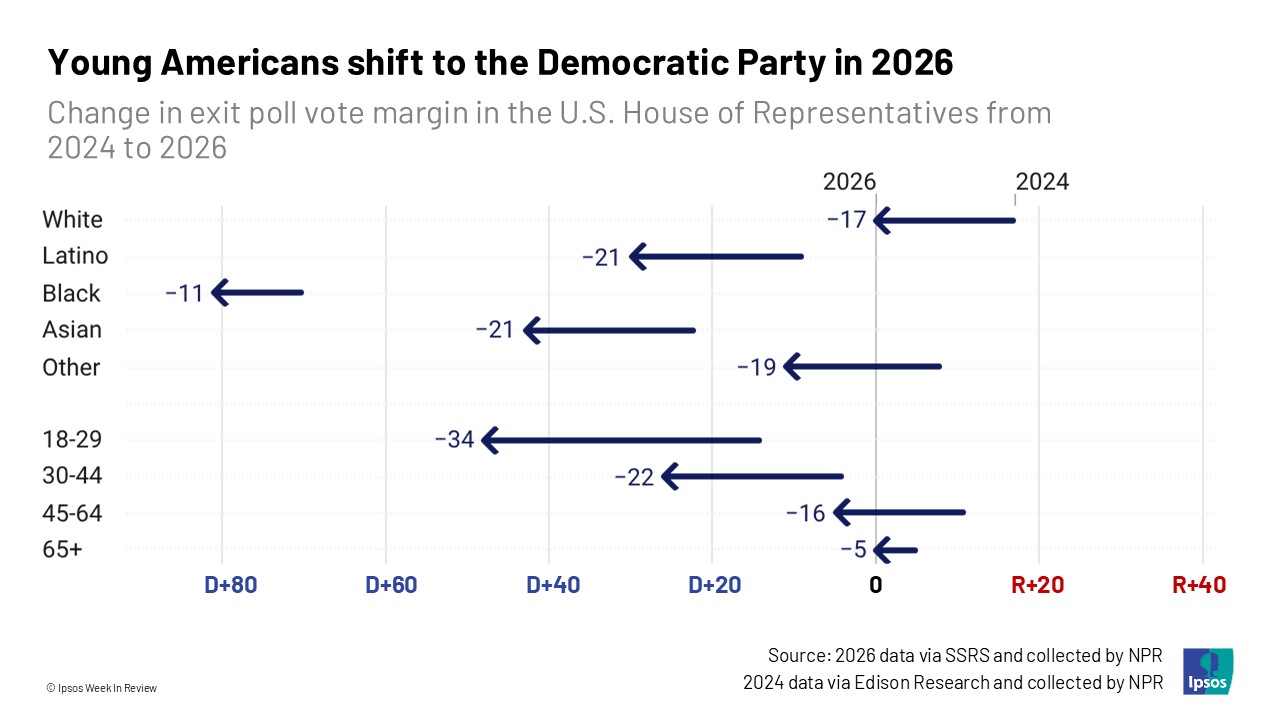
Two years after the nation shifted to the right, voters again shifted, this time toward the Democratic Party.
The 2026 midterm elections were a clear victory for Democrats, who took both the House and the Senate in Tuesday’s elections. But what do the results mean for the next two years and beyond?
Below are five charts on takeaways from the 2026 midterms and some early keys to understanding the 2028 election.
1. Major demographic swings. Amid a broader nationwide blue shift, some of the biggest swings occurred among younger and Latino voters. The major swing among Latino voters was perhaps most impactful in the swing of the Texas Senate seat, especially after the historically blue Latino-dense counties in the Rio Grande Valley swung toward President Trump in 2024.
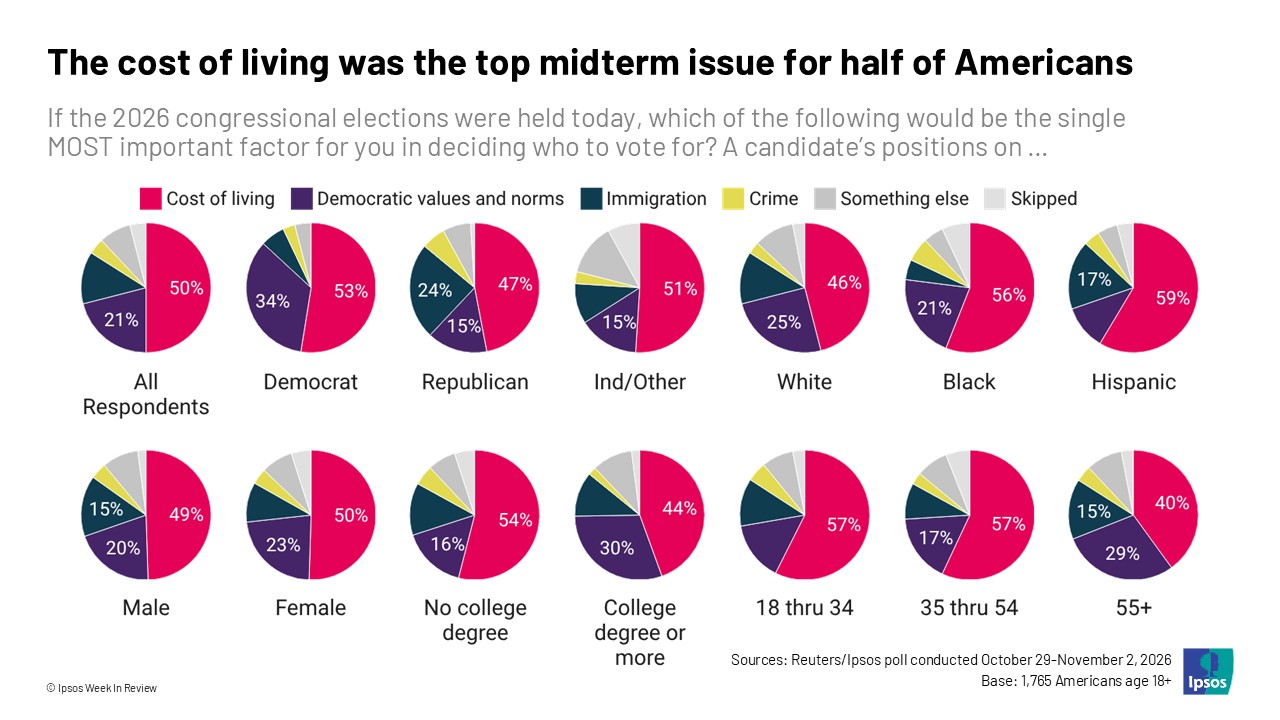
2. One unifying story of the midterms. Consider the 85% rule: that candidates who perform better on the main issue of the day win an election 85% of the time. Across gender, race and ethnicity, age, political affiliation, and education, Americans felt that the cost of living was the biggest factor behind their midterm votes. The Democratic Party’s midterm success isn’t a surprise when you consider that the cost of living moved from a 17-point GOP advantage in January 2025 to a 6-point Democratic advantage in the days leading up to the midterms.
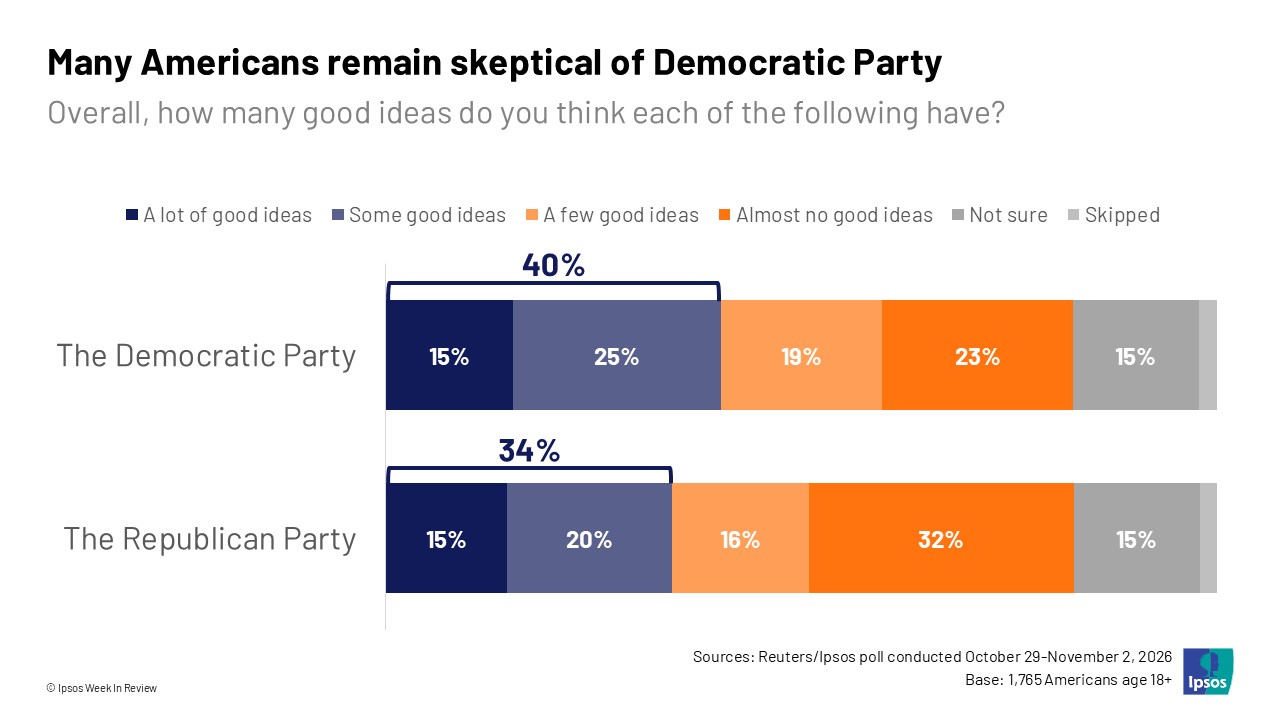
3. Is the swing toward Democrats real? For all the Democratic successes on Tuesday, it’s worth remembering that a wide segment of the U.S. population remains skeptical of what Democrats have to offer. Democrats have gained monumental ground on issues like the economy and the cost of living, but they could just as easily lose it if their promises to lower costs don’t come to fruition. The ball is in their court.
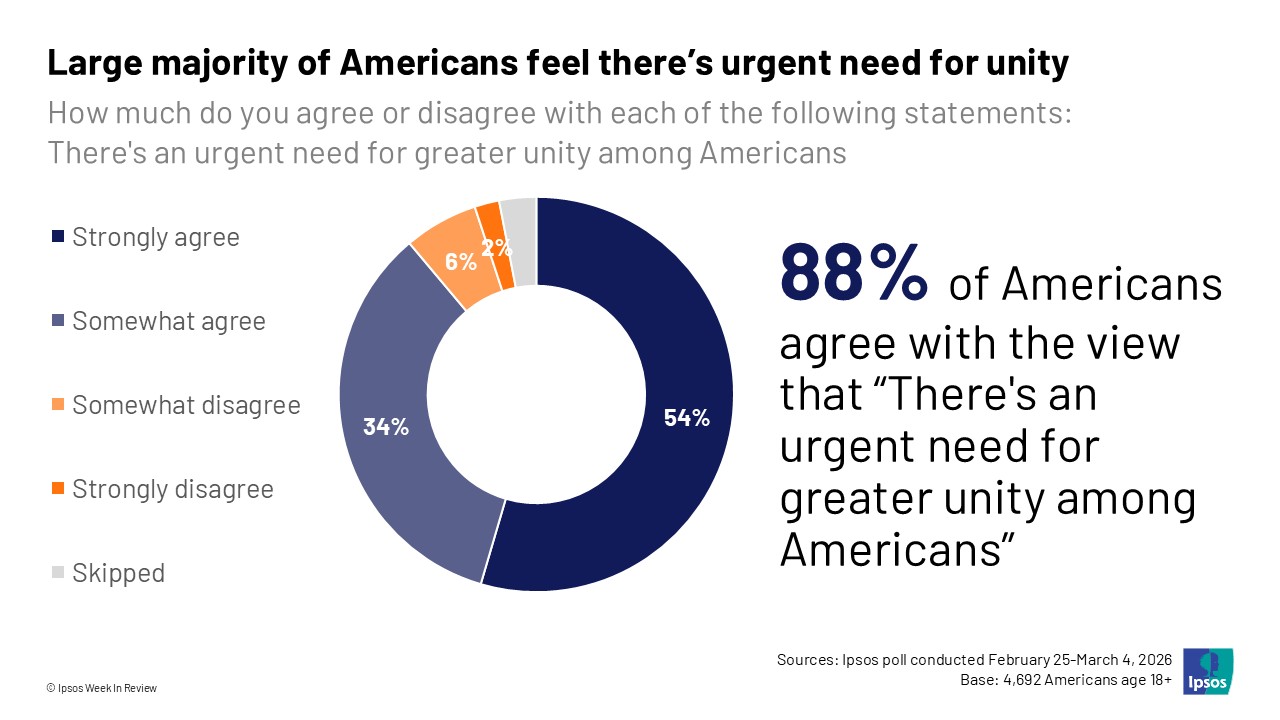
4. Americans want unity. Can a divided throne deliver? The dynamic between Trump and Congress will be entirely new, as this will be the first time Trump will preside over a fully Democratic Congress. In a glimmer of hope for a unity-starved nation, both Democratic leadership and Trump have signaled at least some willingness to work together. But can water ever mix with oil?
5. A look ahead to 2028: Base-rate models spell trouble for Trump’s successor. Much like Republicans faced significant structural headwinds in 2026, Trump’s current approval rating would put them in a similar structural disadvantage in 2028. The Ipsos base rate model, based on incumbency and government approval ratings, would give Trump’s successor an 11% chance at victory if Trump’s approval rating were to remain at its current level of 37%. But if the Republican candidate were viewed as an outsider (relative to the current Republican establishment), could this disadvantage dissipate?
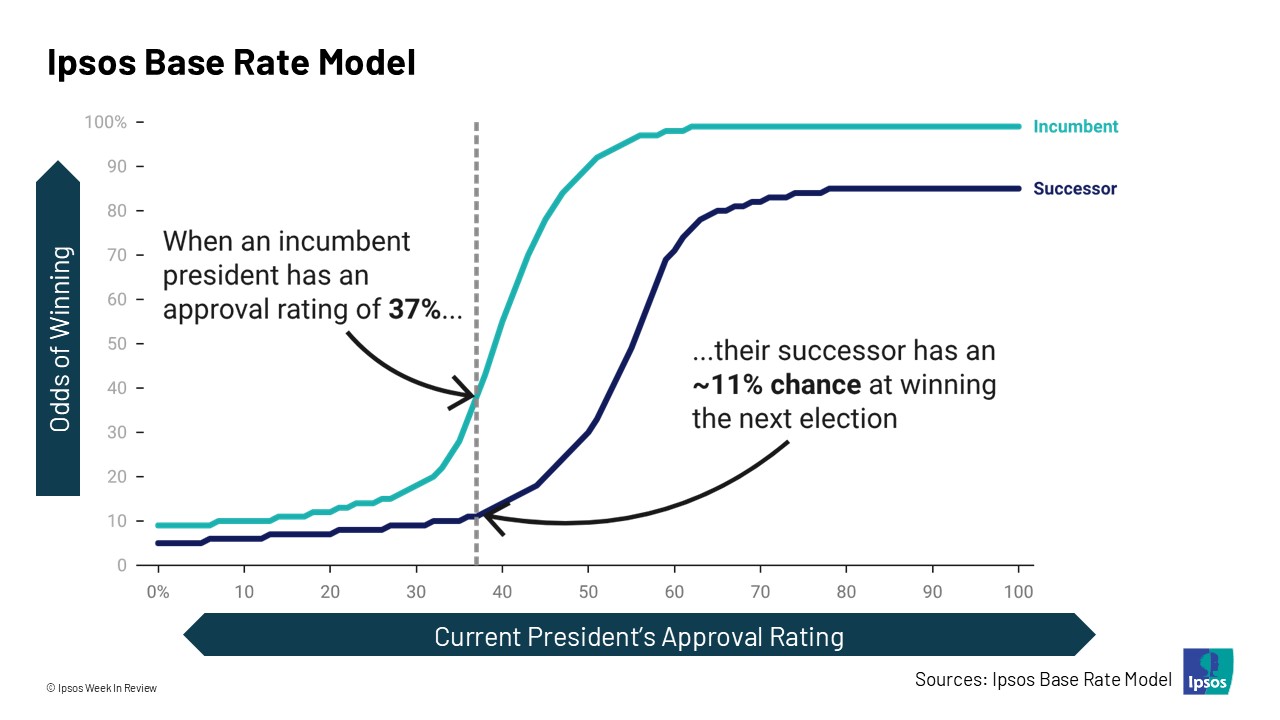
In isolation, the results of the 2026 midterm election don’t necessarily foreshadow what will happen in 2028. But if the external conditions that shaped the midterms – specifically, the Democrats’ advantage on the main issue and Trump’s low approval rating – were to hold, 2028 could be another Democratic year.
Of course, in today’s tumultuous times, nothing is certain, and the unexpected should be expected. Just as the political tide reversed over the past two years, it can reverse again in the next two years. Watch this space.


