Cliff’s Take: 9/11’s Long Reach

Tomorrow is the twentieth anniversary of 9/11. Do you remember where you were when it happened?
I do. I was living and working in São Paulo, Brazil at the time. I remember the images of the burning towers on CNN International – all this watched in a company cafeteria. I often say that I am a “pre-9/11” American. That the traumatic and generalized effect that it had on America did not have the same impact on me as I lived in a far-away place. I was an observer from afar.
But of course, the effects of that day are still with us. We only just pulled out of the war in Afghanistan – 20 years after the events of 9/11 and 10 years since the death of Osama Bin Laden.
Consider the other ways in which it altered our lives. Heightened security at airports, the Patriot Act, an acceptance of greater government surveillance, a new fear of what lies beyond our borders. Our lexicon changed. New words slipped into our everyday speech – drones, the Axis of Evil, known unknowns, security theater, TSA Pre-Check, the Patriot Act, Al Qaeda, Taliban, ISIS, Bin Laden, the War on Terror.
9/11 and its aftermath were life-changing for the majority of adults today. Will its imprint be as strong for subsequent generations? Probably not with the same immediacy, though its genetic material is everywhere.
Below I detail the some of the most striking points from our recent survey on the legacy of 9/11, conducted with the Chicago Council on Global Affairs.
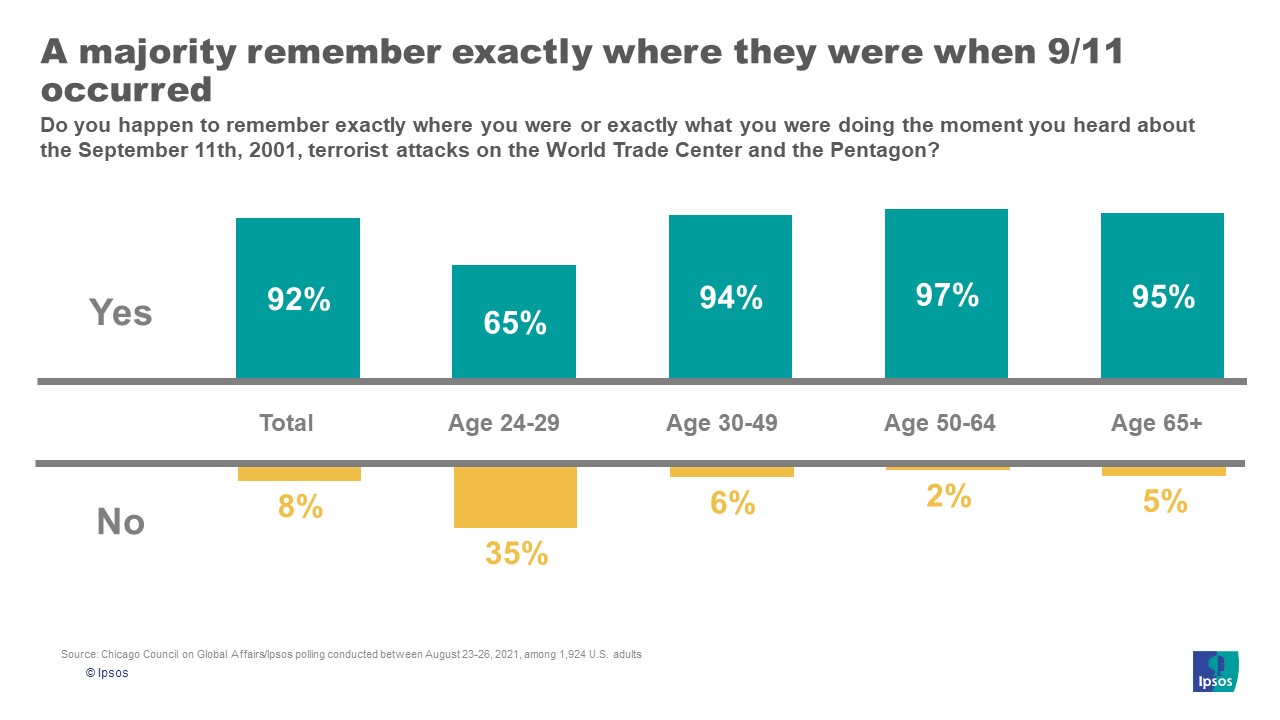
- Where were you? 9/11 changed history, on par with events like the assassination of John F. Kennedy, or the elections of Trump and Obama. The images from that day seared themselves into the minds of anyone old enough to witness it and understand what was happening. Though as 9/11 becomes more distant, its place in our collective memories inevitably begins to fade.
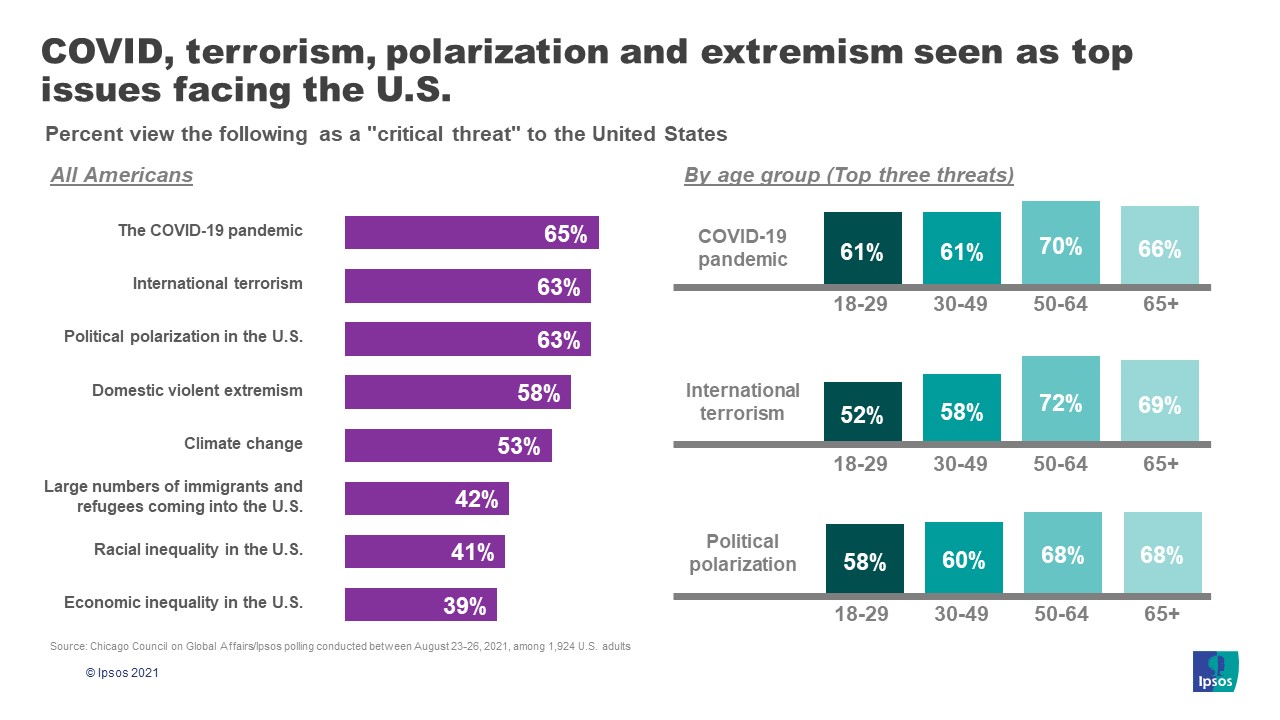
- Critical threat. Collectively, we still see international terrorism as one of the major threats facing the U.S. For younger generations, less so. Is this because they grew up normalized to it? Here is a clear example of 9/11’s genome.
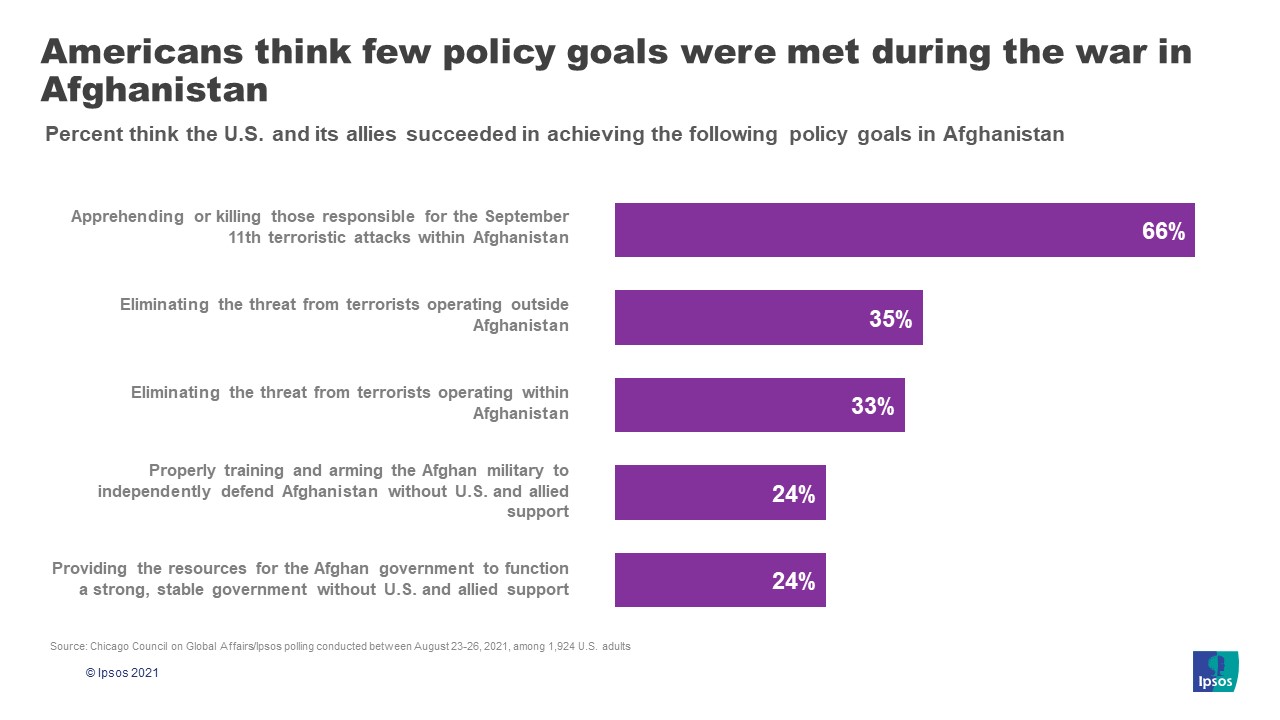
- Frustrated expectations. The war in Afghanistan is one of 9/11’s most enduring legacies. Yet few feel that the U.S. achieved its objectives, other than bringing down Bin Laden and his cohorts. But a folly nonetheless.
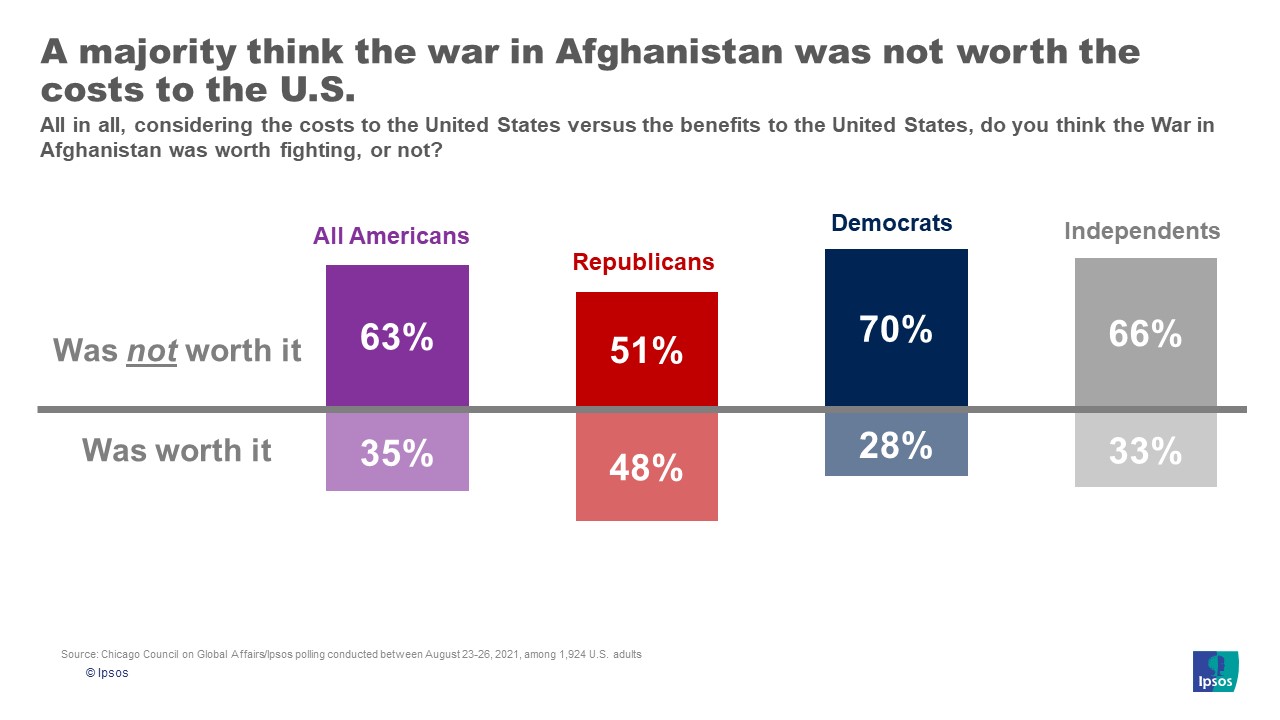
- Wasted treasure. Two trillion dollars later and more than 2,000 service members killed, most think the war in Afghanistan was not worth the costs to the U.S. Again, 9/11 unleashed a powerful emotional force, leading to decisions that lead us to dead-ends.
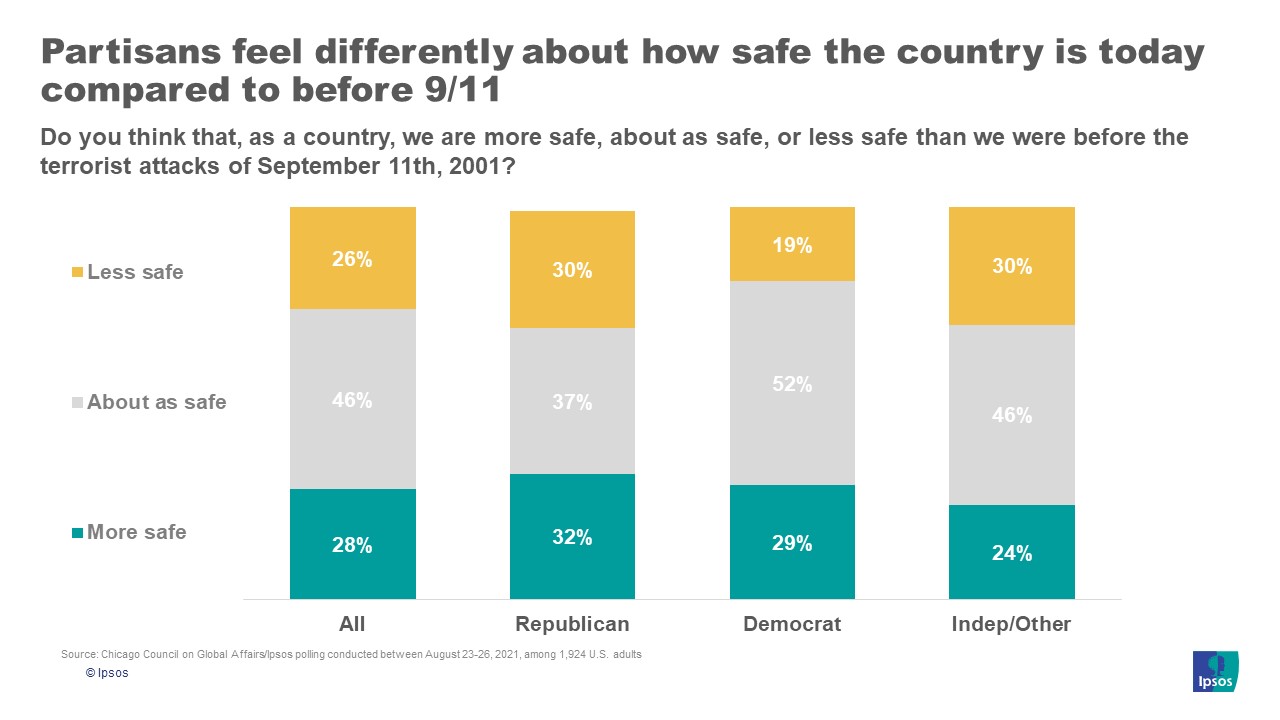
- Marginal improvements. Do we really feel safer now than then? It doesn’t look like it. Republicans are almost perfectly divided, half of Democrats feel things have stayed the same. The ambivalence of our post-9/11 world. The event itself had profound impacts but were the subsequent actions in proportion? The jury – the arc of history – is still out.
In a final point to underscore just how important 9/11 was, consider that a majority rank it as one of the most influential events of the 21st century, on a national and personal level. In terms of its overall impact on American society, it’s in the same category as the pandemic.
9/11 is receding into the past. But the repercussions will stay with us for a long while yet.
As always, take care and be well.