
Proper context
The more things change, the more they stay the same. Populism and anti-establishment sentiments, which existed well before the pandemic, are now front and center again. Take the elections in Brazil, Colombia, and the United States midterms as illustrations of this point.
The anti-establishment shape many races around the world have taken is undeniable. And the ones who are hurting are those in power, the incumbents. The anti-establishment fervor that existed before COVID did not go anywhere; it is very much still shaping our world and politics. But the way it is packaged is different. And many of these messages work to the detriment of incumbents.
This week we are taking a step back and looking at the rest of the world, how anti-establishment opinion has held up during the pandemic, the main issues globally, and three case studies examining how these dynamics are playing out in elections.
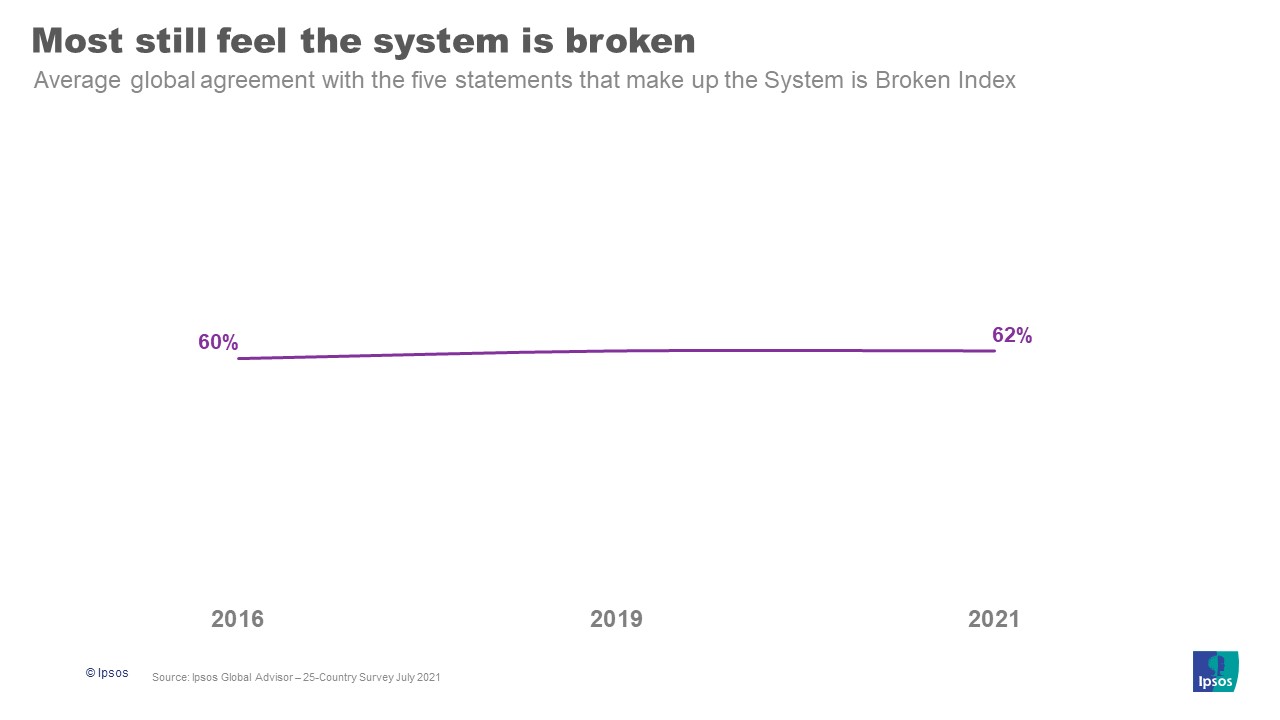
- System remains broken. Despite significant upheaval over the past few years, most still feel the system is broken. These sentiments remain unchanged from 2016, a lifetime ago. Populist opinions are one of the major macro factors of our time. This does not mean populists always win in this context. But they are always swinging at the plate.
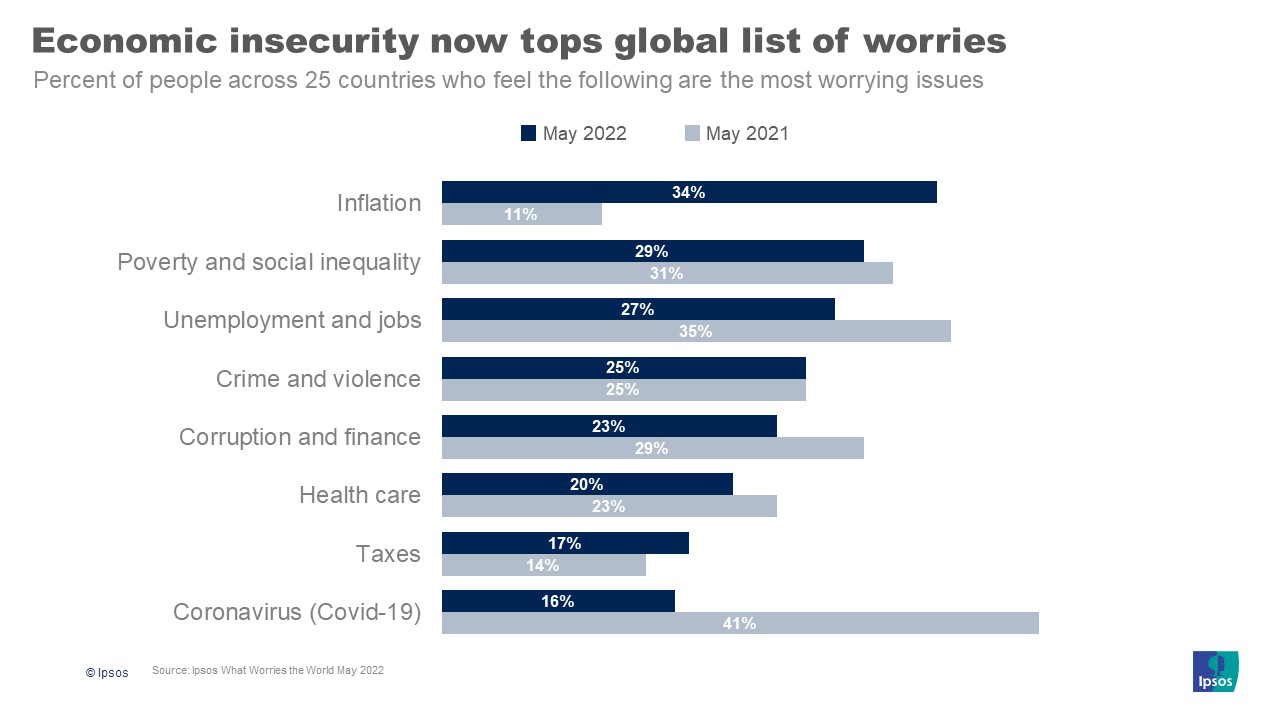
- Inflationary populism. At the same time, the issue landscape is changing in meaningful ways, moving from a COVID agenda to an inflationary one. This checks incumbency for both individuals and parties in power. Particularly around inflation, the anti-establishment and economic populism that can come alive during moments of inflation provides challengers a clear case to make against the sitting party or individual.
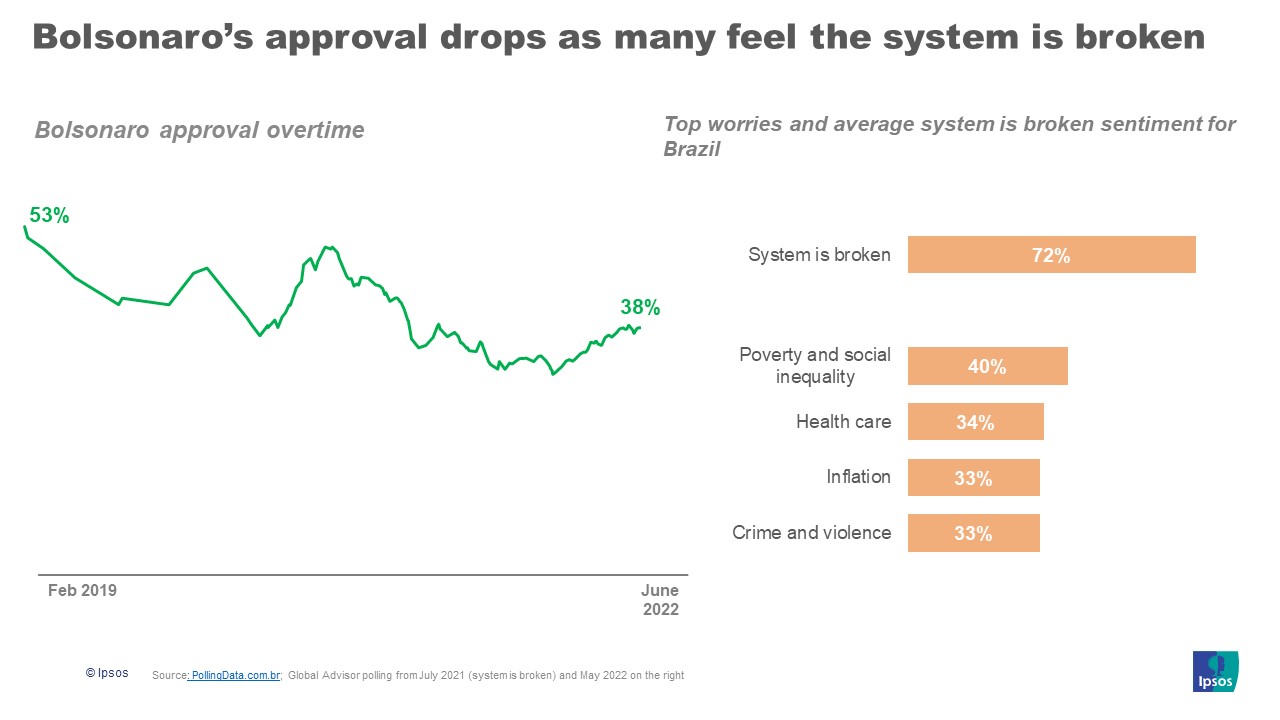
- Brazilian exceptionalism. Brazil offers a compelling example of how this can play out in an election. Here many feel the system is broken. Plus, the number one issue is poverty and social inequality. This is an economic agenda of aggrievement. Bolsonaro's dropping approval ratings reflect this prevailing context. Is Bolsonaro out, and Lula in? We will see.
- Colombian Contextualization. Similarly, Colombia’s presidential election, where two anti-establishment candidates are now vying for the presidency, makes a good case for how these populist dynamics already won the day to some extent. The center-right party, which has ruled Colombia for generations, lost to a Trump/Bolsonaro-like candidate, Rodolfo Hernández, who has a loyal social media following. Hernández is going head-to-head with an anti-establishment left candidate, Gustavo Petro. Wholesale change is what’s selling now. Context matters.

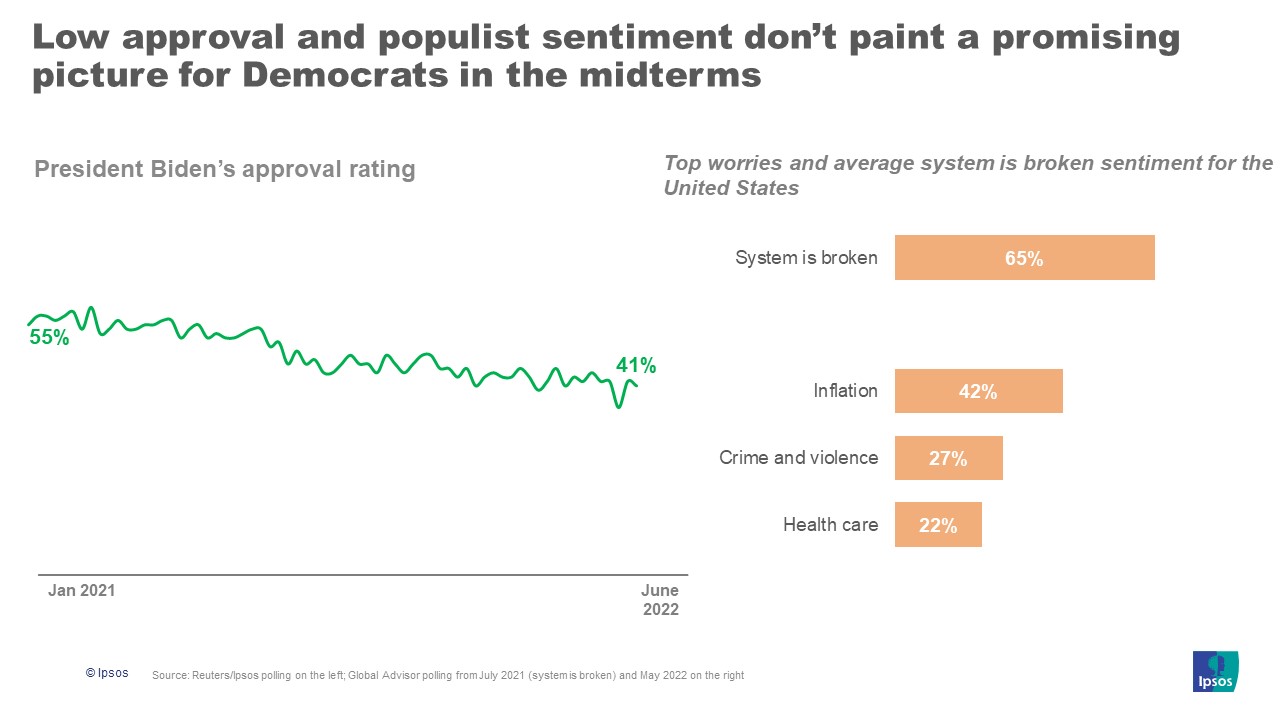
- Midterms blues. President Biden’s approval ratings have been declining over the past year. Much like in Brazil and Colombia, many Americans feel the system is broken and are pointing to quality-of-life issues, like inflation, as top worries. These populist winds tend to push incumbents—whether they are candidates or a political party—out of power. Even without that, midterms tend to hurt the party in power. But, for this cycle, the pain will be amplified.
When it comes to understanding elections, context matters. Right now, the context doesn’t favor the establishment. Many around the world believe the system is broken as problems like inflation run rampant. This is a combustible mix.
These factors aren’t favoring incumbency. While there is still room for surprises, these anti-establishment macro forces are conditioning our political environment. Forgetting this is a mistake.

