The heart, brain, and body of marketing: Researchers at Ipsos and Temple University leverage cutting-edge research for advertising and media understanding
NEW YORK, October 27, 2022 — Physical reactions in the body and brain can indicate distinct psychological processes and help researchers predict the effectiveness of advertisements, according to new research conducted by Ipsos’s Global Science Organization in partnership with the Center for Applied Research in Decision Making (CARD) at Temple University’s Fox School of Business.
These findings offer a deeper understanding of how the mind and body respond to advertisements and media, with practical implications for businesses looking to enhance the effectiveness of their marketing.
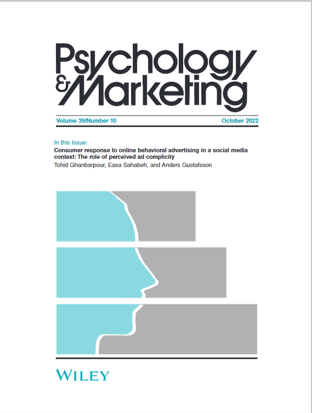
A joint paper published in the October issue of Psychology and Marketing examined how physical reactions — heart rate, electrical brain activity as measured via electroencephalography (EEG), and sweat as measured through galvanic skin response (GSR) — correspond to distinct psychological and marketing outcomes across different types of media.
The research was led by Davide Baldo of Ipsos and co-authored with Vinod Venkatraman, associate professor of marketing and director of the Temple CARD lab, Vaidya Viswanathan (Temple), and Rich Timpone (Ipsos). The study is part of a broad, ongoing partnership between the two teams.
The study took a unique approach, considering multiple neurophysiological measures along with survey responses to gauge participants’ reactions to advertisements, images, and videos. The resulting data provided clear evidence for the neurophysiological processes behind brand recognition and likelihood to purchase, two key measurements that Ipsos uses to evaluate the in-market effectiveness of ads.
As Adam Sheridan, global head of products and analytics for Creative Excellence at Ipsos explained, “We’ve known for some time that our observational and evidence-based survey measures are predictive of advertising business outcomes, but this groundbreaking research takes our understanding a step further. It helps us analyze the interplay between physiological processing in the mind and the body, and measures that retrieve encoded memories from the mind, or allow for people to express their feelings towards brands in exposed vs. unexposed experimental measures.”
“These findings give us a deeper understanding and further confidence in the approaches we take to measure advertising effectiveness, and confirms the importance of measuring a combination of thoughts, feelings and emotions to help advertisers select and optimize the best creative to spark brand growth,” Sheridan said.
The research found that heart rate was associated with positive emotional views, while GSR measurements of micro-sweat reactions were associated with emotional arousal across different media types. Critically, heart rate and EEG measures played complementary roles in predicting ad effectiveness: while heart rate was a significant predictor of brand recognition but not purchase intention, EEG was associated with purchase intention, but not brand recognition.
This project is one part of the broader partnership between Ipsos and CARD, and highlights the value of corporate-academic partnerships for advancing both groups’ missions.
“Academic and business partnerships like the one between CARD and Ipsos are extremely valuable for leveraging and unlocking the true translational impact of academic research,” said Vinod Venkatraman, director of CARD.
ABOUT THE FOX SCHOOL OF BUSINESS
The vision of Temple University’s Fox School of Business is to transform student lives, develop leaders and impact our local and global communities through excellence and innovation in education and research.
The Fox School’s research institutes and centers as well as 250+ full- and part-time faculty provide access to market-leading technologies and foster a collaborative and creative learning environment that offers more than curriculum—it offers an experience. Coupled with its leading student services, the Fox School ensures that its graduates are fully prepared to enter the job market.
The flexibility and responsiveness of our knowledge-creating research faculty allows the school to address the needs of industry and generate courses and programs in emerging fields. As a leader in business research, the Fox School values interdisciplinary approaches and translational research that influence and impact real-world problems. Our research informs an adaptive curriculum, supports innovation in teaching and prepares students for the ever-changing business environment.
About Ipsos
Ipsos is one of the world's leading market research companies, operating in 90 markets and employing 18,000 people. It is driven by passionately curious research professionals, analysts and scientists, who have built unique multi-specialist capabilities. These provide true understanding and powerful, actionable insights around the behaviors, opinions and motivations of citizens, consumers, patients, customers and employees. They are built into 75 solutions based on primary data from our surveys, social media monitoring, and qualitative or observational techniques.
Ipsos’ tagline "Game Changers" sums up the ambition to help 5,000 customers move confidently through a rapidly changing world. Founded in France in 1975, Ipsos has been listed on the Euronext Paris since July 1, 1999. www.ipsos.com