Hear more about the modern milestones for success and how brand leaders across industry and public policy can adapt now with a deeper understanding of today’s consumer.
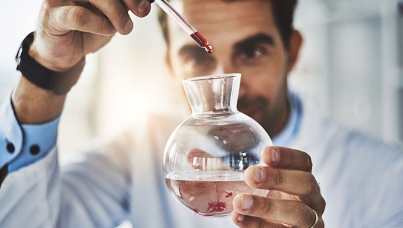
Paraxanthine, a synthesized component of caffeine that shows promise to provide focused energy without the jitters or a caffeine crash, is the star ingredient in a new generation of energy drink called Update that’s being targeted to the crypto, NFT and blockchain-based Web3 builders.
Dogs and cats are historically carnivorous, but they don’t typically eat cows and chickens in the wild. Cultured meat, which is grown in a lab, is being developed by Because Animals to create evolutionarily appropriate and sustainable pet foods.
Join Ipsos’ Matt Carmichael for a timely session focusing on the critical role that market research plays in how researchers should think about the future and how those scenarios can guide the questions we ask today.
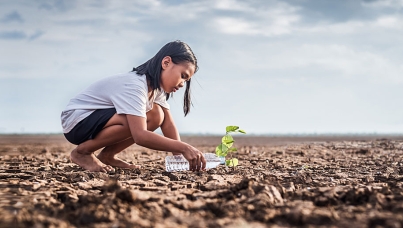
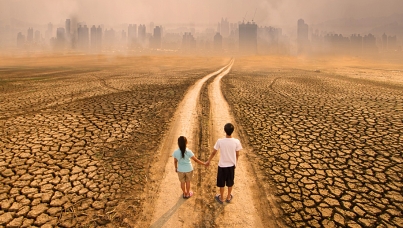
The future of Earth’s climate is worsening and is the dark cloud that hangs over all other futures. But brands have a critical role in collaborating with governments and people to blunt climate change and create a more resilient tomorrow. This issue of What the Future: Earth shows how.
We’re running out of time to act on climate change and life could get increasingly difficult. Robert Lempert, a coordinating lead author for the Intergovernmental Panel on Climate Change (IPCC) convened by the United Nations, explains what we must do now if we want a livable future.
Americans lag their global peers in concern about the climate emergency and government leaders turn over with regularity. That’s why Gayle Schueller, senior vice president and chief sustainability officer at 3M, says that companies need to make longer-range sustainability decisions.
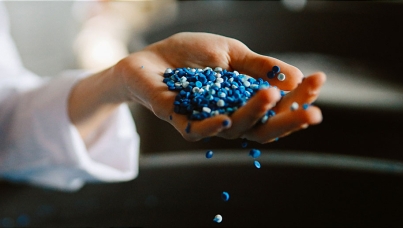
Decades ago, plastics were considered the future. Now there’s too much of it. Ann Tracy, chief sustainability officer of Colgate-Palmolive Company, explains how the world’s biggest maker of toothpaste tubes is redefining the future of plastics.
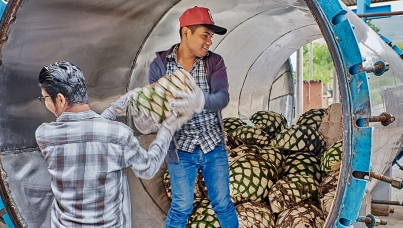
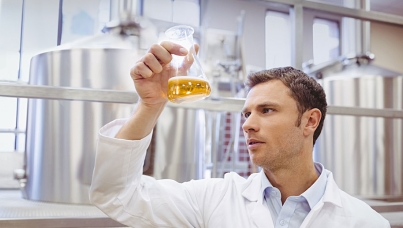
Water is essential to life. This precious natural resource is also necessary for making beer and a host of other products. Molson Coors Beverage Company’s Brandon Watkins discusses how he’s working to ensure that both have a sustainable future.
Join us for our next What the Future complimentary webinar where we will (mostly) fight through our dystopian urges and shine a light on the efforts some people and brands.

![[WEBINAR] What the Future: Success](/sites/default/files/styles/612x370/public/ct/event/2026-07/thumbnail-wtf-success-.png?itok=FapIqHs5)


![[WEBINAR] What the Future: Earth](/sites/default/files/styles/list_item_image/public/ct/event/2022-06/WTFEarthWebinar_WI_feature_0.jpg?itok=END96dC0)