
Beyond the Step Change: What GLP-1s Solved - and What They Didn’t
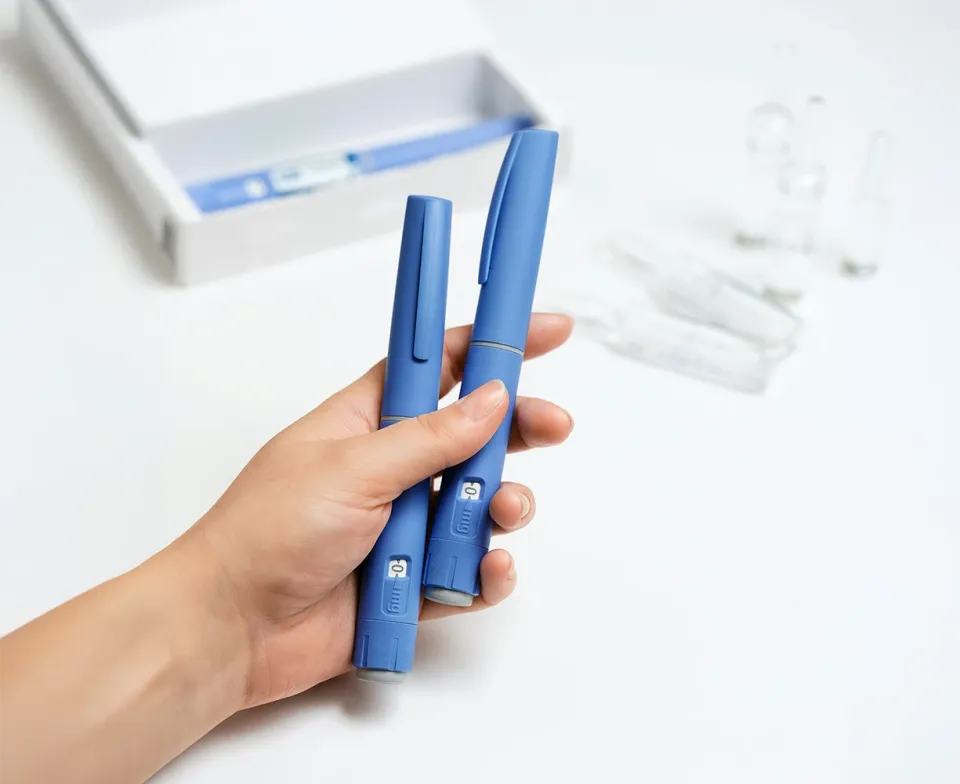
 GLP-1–based therapies have delivered a genuine breakthrough in obesity treatment. After decades of modest efficacy and safety setbacks, agents like semaglutide and tirzepatide now achieve 15–25% weight loss, approaching surgical benchmarks and extending impact into cardiovascular, renal and metabolic outcomes. But the story doesn’t end with efficacy.
In practice, five constraints now define the next competitive battleground:
- Durability: Weight regain after discontinuation and the need to sustain outcomes beyond continuous treatment.
- Lean mass loss: Meaningful portions of weight loss coming from muscle, with implications for function and long term health.
- Tolerability: GI side effects that limit dose optimisation and persistence.
- Cost and access: High prices, payer controls and supply pressures that restrict who can benefit and for how long.
- Comorbidity coverage: Incomplete alignment between obesity, its complications and the indications currently addressed.
In ‘Beyond the Step Change’, Ipsos’ Healthcare team argues that these are not isolated issues - they form an interconnected system of constraints that is now reshaping:
- For incumbents: How to evolve GLP-1 franchises into multi asset systems that withstand patent cliffs and pricing pressure.
- For emerging biotechs: How to anchor differentiation around a specific constraint from day one, and design assets explicitly for combination.
- For later stage entrants: How to find defensible positions in a market where the most valuable adjacencies are rapidly being claimed.
Read the Point of View to understand how pipeline data, capital allocation and physician behaviour are converging — and what that means for portfolio strategy, BD, and evidence planning in obesity and beyond.
The author(s)
-
 Joel Sandler, PhDAssociate Partner, Healthcare Advisory
 -



![[WEBINAR] KEYS: Dialling Up the S In Sustainability](/sites/default/files/styles/list_item_image/public/ct/event/2026-06/keys-webinar-sustainability.webp?itok=xPunvoGu)
![[Webinar] Real-World Evidence: Empowering the Patient](/sites/default/files/styles/list_item_image/public/ct/event/2026-05/healthcare-real-world-evidence-webinar.jpg?itok=kT0PwLPQ)