
Unlocking collaborative, patient-centric partnerships
In 2022, the healthcare industry remains in a state of transformation, driven in part by an influx of digital solutions and data, a shifting regulatory and reimbursement landscape, and increased demand for more personalized therapies. At the heart of all these changes lies a patient-centric desire to deliver more efficient, effective, and equitable care for people and patients. However, despite ‘patient centricity’ being a topic of importance across the industry for the last decade, many organizations still experience challenges with translating positive intent to true transformation and action.
At Ipsos, we believe that the time is long-gone for patient-centric strategies without tangible action and measurable outcomes. At the same time, we acknowledge that navigating the path forward can be complex. For those that experience these challenges, one of the best places to start can often be establishing (or re-evaluating) your strategy for external partnerships and opportunities.
In order to meaningfully support patients, it is essential that healthcare industry stakeholders and PAGs partner with a long-term mindset and alignment on a long-term vision. It is for this reason Ipsos has designed and implemented a strategic approach to partnership assessments—one that enables both sets of stakeholders to ensure they are aligned at the onset. This framework—centering at the highest level on ‘voice’ and ‘value’—supports stakeholders with taking a measured, thoughtful, and strategic approach identifying partners of interest.
Now, more than ever, it is essential that healthcare organizations demonstrate their ability to meet patients and consumer needs. At Ipsos, we can help you take that first step.
Introduction
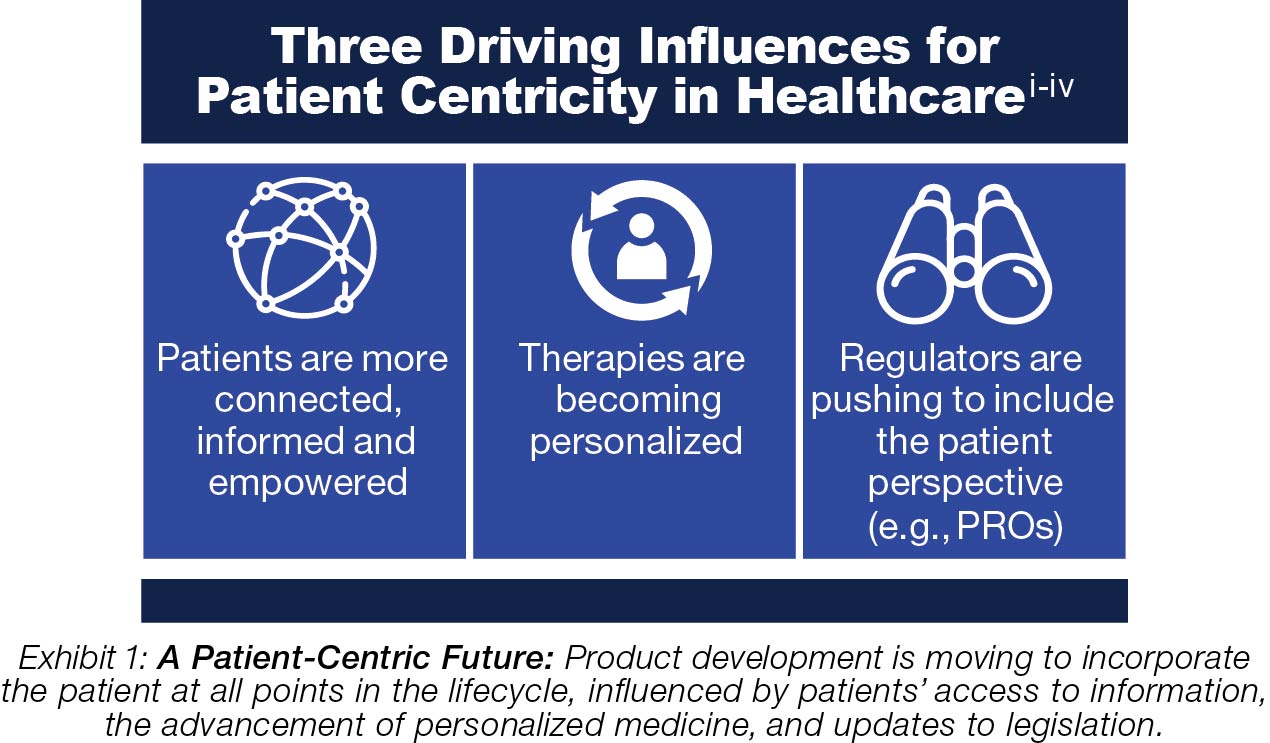
Patient centricity calls for the healthcare industry to include patient experiences, incorporate insights and increase access to care throughout their strategy and product development.1 As patients become more informed about their health, they expect increased transparency, responsiveness, and mutual understanding in the healthcare industry.2 This accelerated shift to patient-focused processes emphasizes the need for all healthcare organizations to include patient needs and insights throughout their strategy and product development (Exhibit 1).3
Improved patient outcomes are a major focus for all healthcare stakeholders. By cultivating effective and long-term partnerships with patient-centric organizations, the healthcare industry can truly progress and maximize its impact on patients. Across the healthcare industry, organizations understand the call for patient engagement in healthcare decisions, yet it can be challenging for them to navigate and find ways to identify these opportunities.4 Ipsos believes that Patient Advocacy Group (PAG) partnerships are where healthcare organizations need to begin. We have developed a comprehensive approach to support all stakeholders in navigating this transformative period.
PAGs as Partners
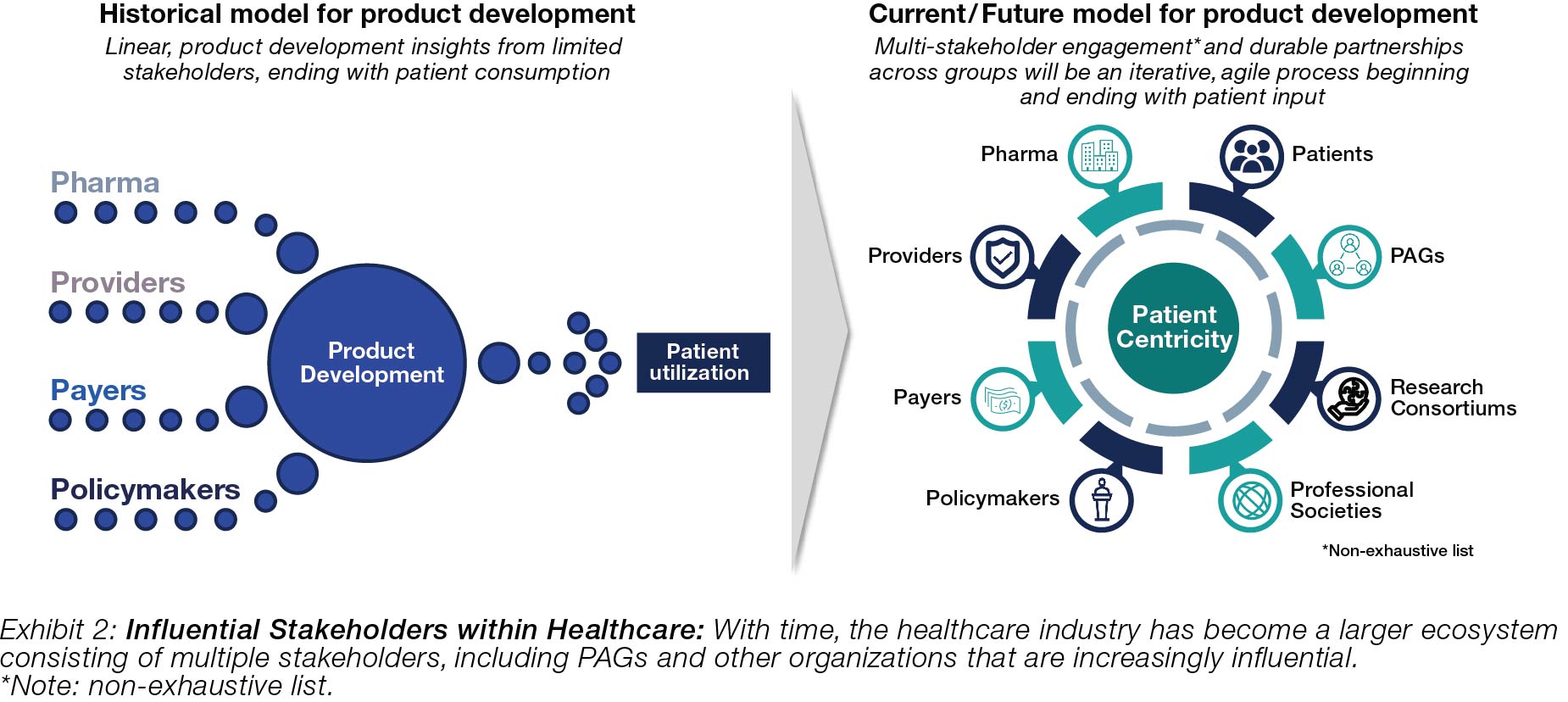
Historically, the main stakeholders in product development tended to be pharmaceutical manufacturers, providers, payors, and policymakers. Until recently, patient involvement in product development has been limited to input post-launch, typically relying on others to speak on the patient’s behalf. Due to changes across the healthcare landscape, product development must now consider the perspectives of multiple additional stakeholders, including patients, PAGs, professional societies, research organizations, and others (Exhibit 2). This refreshed model has moved from a linear structure to one that is more agile, iterative, and inclusive of patients, enabling patients to contribute in more meaningful ways.5
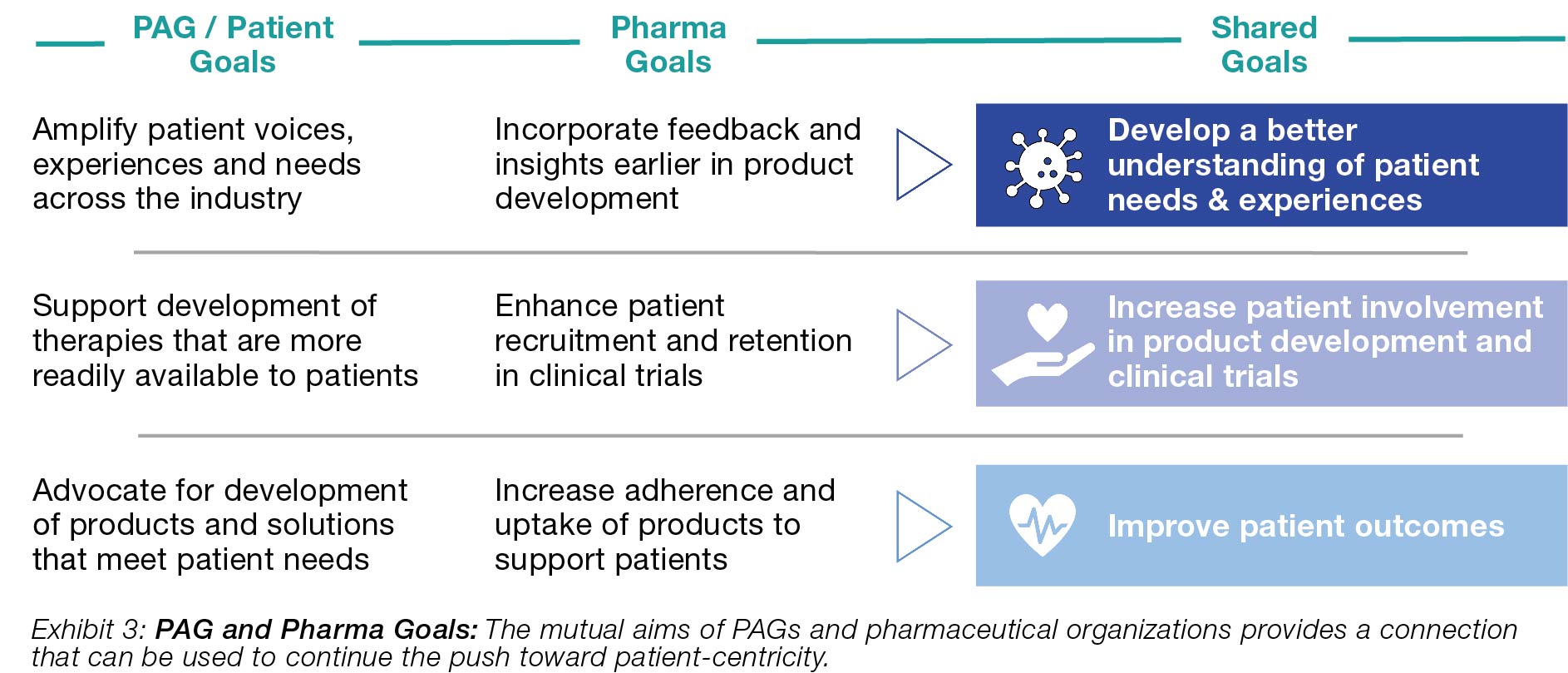
As the landscape transforms to a patient-focused model, PAGs are increasingly important to engage with as key stakeholders. They act as trusted partners, advocates, and liaisons for patient communities, in addition to providing resources, activities, and support to these patients. PAGs represent a broad audience of patients, including the marginalized, and address their experiences, unmet needs, and perceptions across therapeutic areas. For example, PAGs and pharmaceutical manufacturers share a vision of improving the overall experience for patients, just through different approaches (Exhibit 3). This shared vision provides a mutually beneficial opportunity for highly engaged PAGs and pharmaceutical manufacturers to work together as they promote trust and transparency between patients and healthcare organizations, and improve the resources available to the patient.
Ipsos’ Systematic Framework
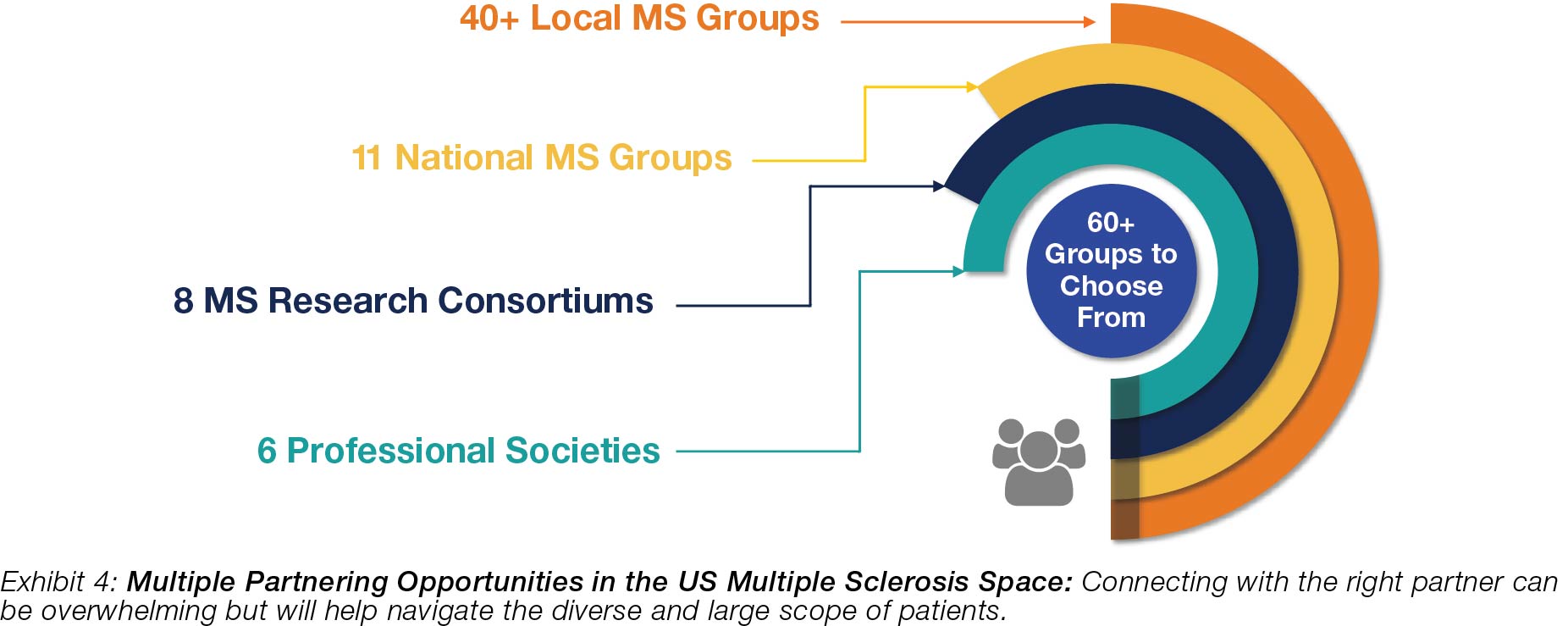
Finding the “right” partner can be challenging. There are plenty of groups and manufacturers to choose from, but not all have shared visions, missions, capabilities, or impacts. For example, in the United States, there are roughly one million adults with Multiple Sclerosis and approximately eleven national PAGs, more than forty local Multiple Sclerosis groups, eight research consortiums, and six professional societies (Exhibit 4).6,7
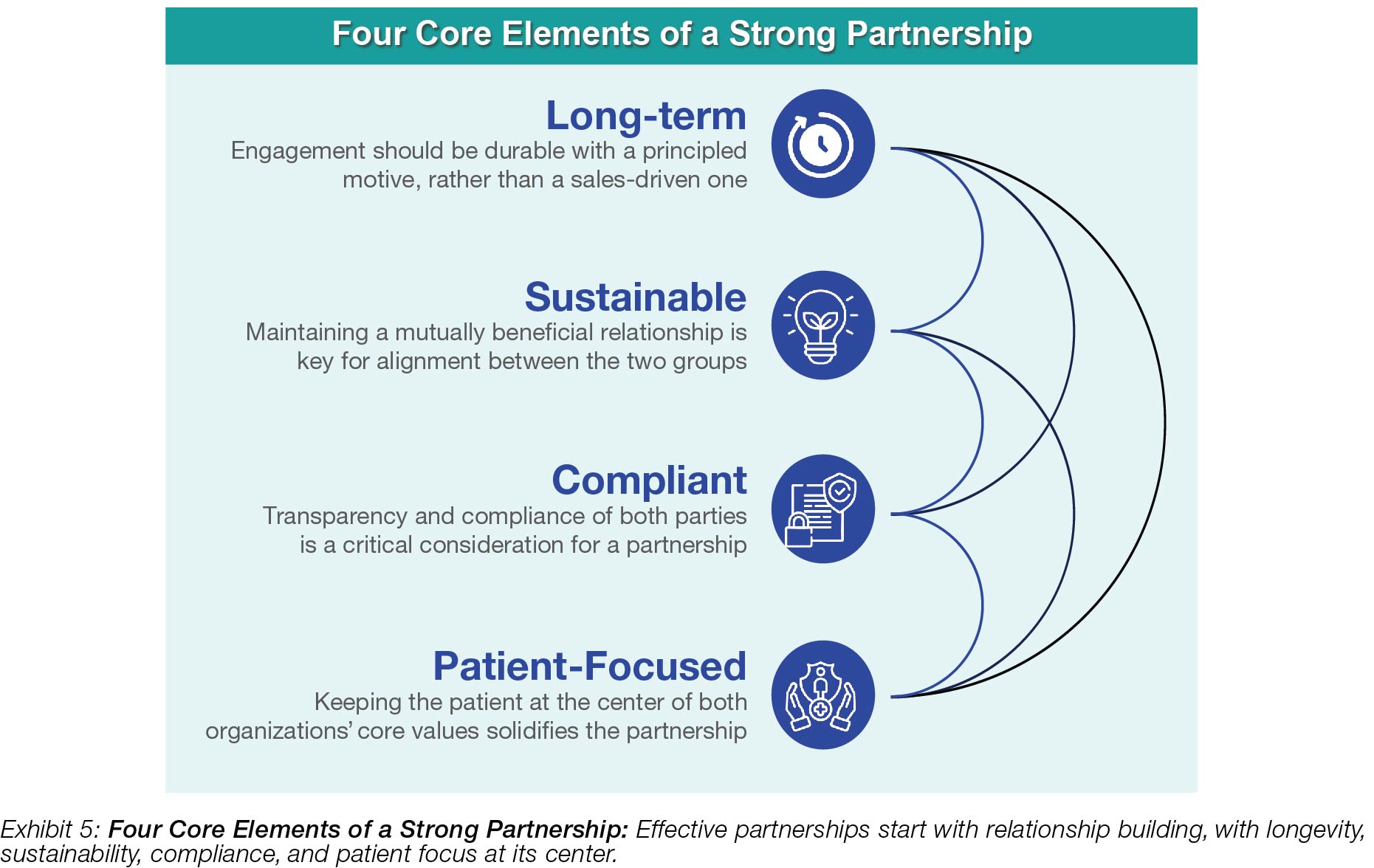
Due to the variety of PAGs and healthcare organizations, aligning with the “right” PAG and other types of patient organizations is necessary to produce well-intentioned, successful, and impactful products for patients. Ipsos believes the core elements of a strong partnership are longevity, sustainability, compliance, and patient focus (Exhibit 5). These qualities are the pillars of a lasting relationship. So, how does one determine whom to partner with?
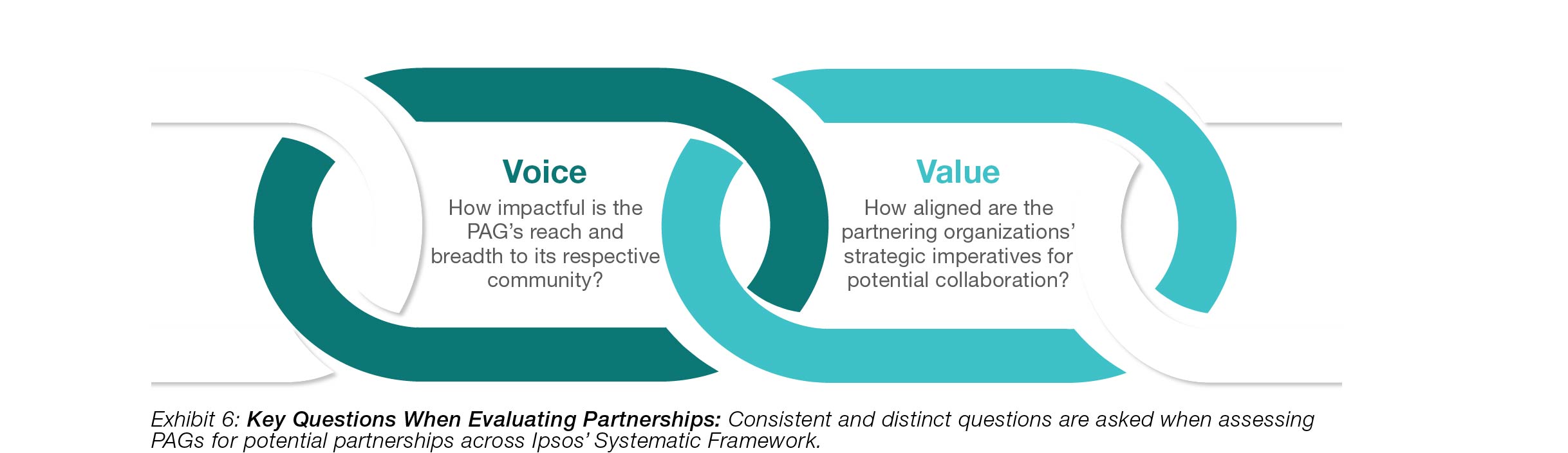
Ipsos collaborates with clients to identify the most suitable partners for long-term success. In order to do so, PAGs must find the right healthcare organization to pair with and vice versa. Ipsos established two distinct questions to focus attention on when evaluating future partnerships (Exhibit 6):
- Voice: How impactful is the PAG’s reach and breadth to its respective community?
- Value: How aligned are the partnering organizations’ strategic imperatives for potential collaboration?
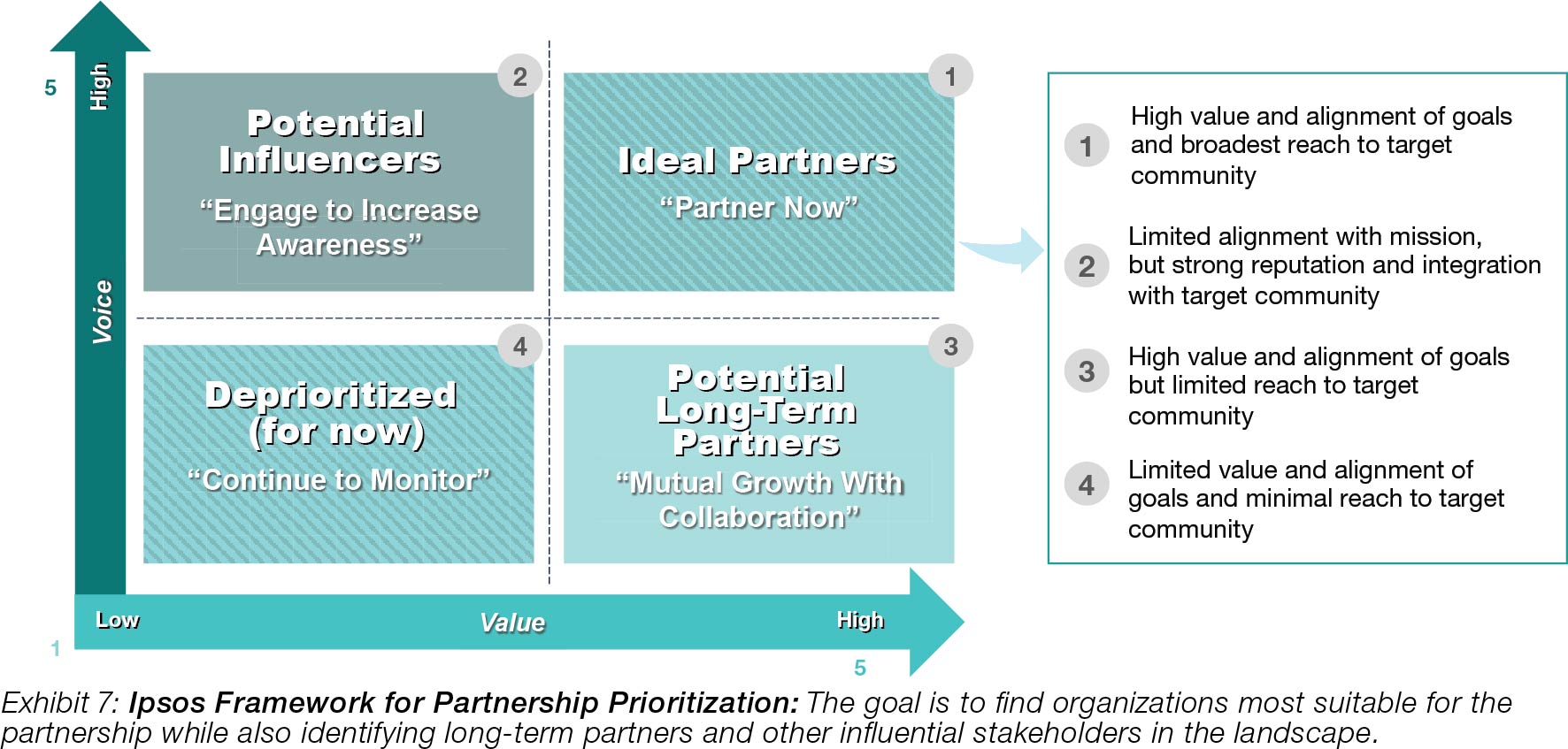
Ipsos’ comprehensive framework answers these essential questions. This approach assesses and ranks PAGs and other potentially influential patient organizations to map their ‘Voice’ and ‘Value’ (Exhibit 7). Ipsos conducts a holistic analysis of all organizations in the therapeutic area of interest to identify their most suitable partners. Ipsos first evaluates and connects individual components/criteria to a collaboratively developed prioritization framework to comprehensively identify patient organizations most appropriate for partnership.
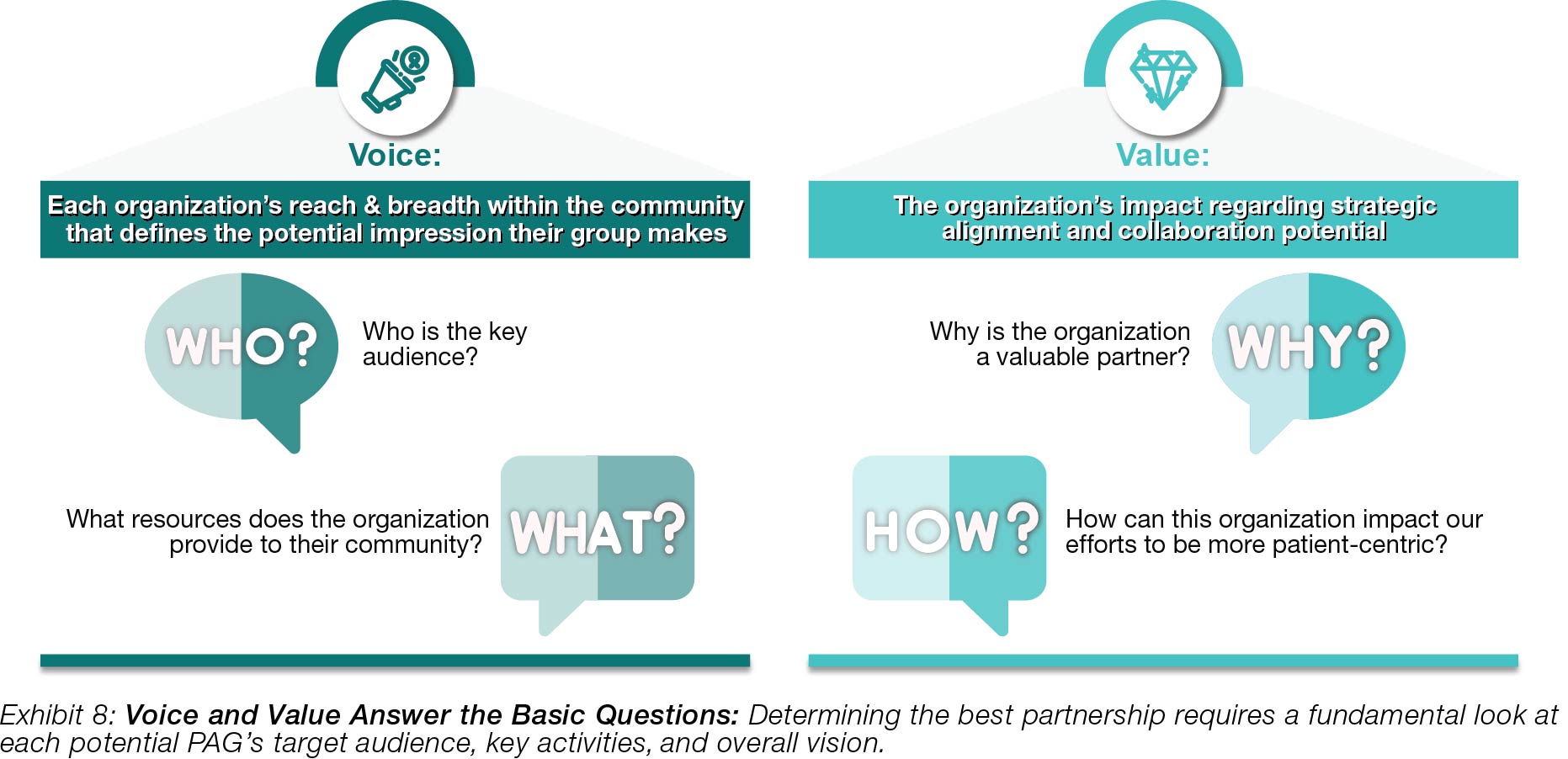
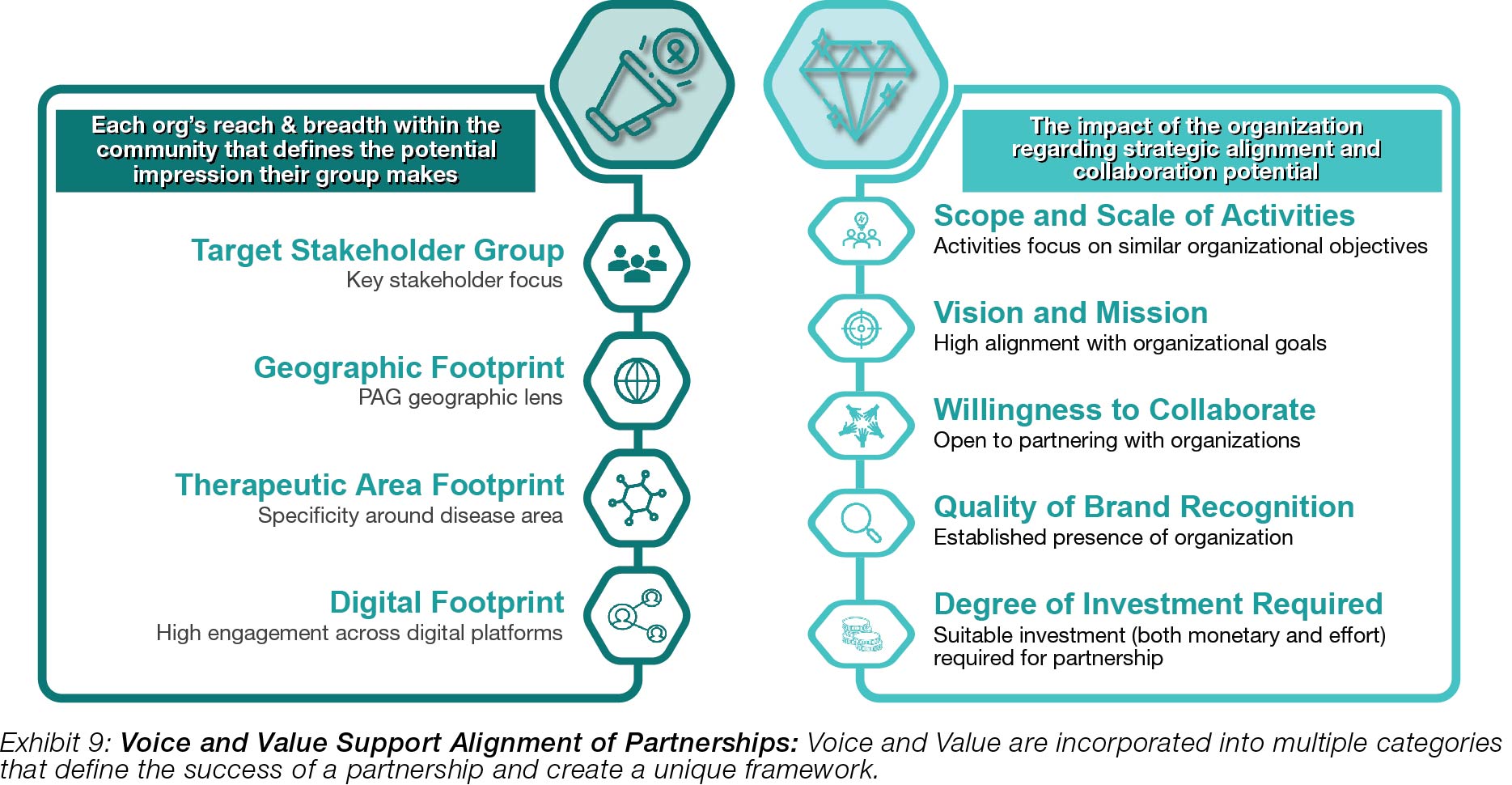
The Ipsos framework utilizes ‘Voice’ and ‘Value’ criteria to uncover the ‘who and what’ and the ‘why and how,’ respectively (Exhibit 8). The ‘Voice’ criteria will uncover the impression, impact, and breadth of a PAG in its respective community. The ‘Value’ criteria allow healthcare organizations to discover potential strong collaborations by revealing how strategies align across objectives and missions.
Ipsos then identifies all suitable partners and assesses each in accordance with the framework. The framework considers the ‘Voice,’ or its capabilities and reach, and ‘Value,’ or the impact it has on the partnering organization. Ipsos evaluates each PAG on multiple dimensions scored and weighted to specific priorities of the partnering organization, which defines the potential success of each individual partnership (Exhibit 9).
Ipsos works with all stakeholders to prioritize their partnering goals. After refining and adjusting criteria and weighting, Ipsos applies a specific scoring criterion to uncover aligned PAGs. This unique scoring leads to the development of a prioritization matrix (Exhibit 10). This approach provides an opportunity to quickly assess potential partnerships in a standardized, consistent, and comprehensive manner.

There are multiple opportunities for healthcare organizations to partner with PAGs, which is why Ipsos has created this strategic approach to evaluate and align patient organizations. By assessing PAGs across our ‘Voice’ and ‘Value’ axes, Ipsos is able to prioritize available partnership opportunities. This analytic assessment of partnerships takes an objective approach to identifying strategic partners in patient communities. The flexibility of the tool supports utilization over the long term as priorities of partnering organizations change with time. The ability to customize the weighting allows organizations to easily adjust how criteria are categorized, revealing newly aligned potential partners over time.
How to Activate
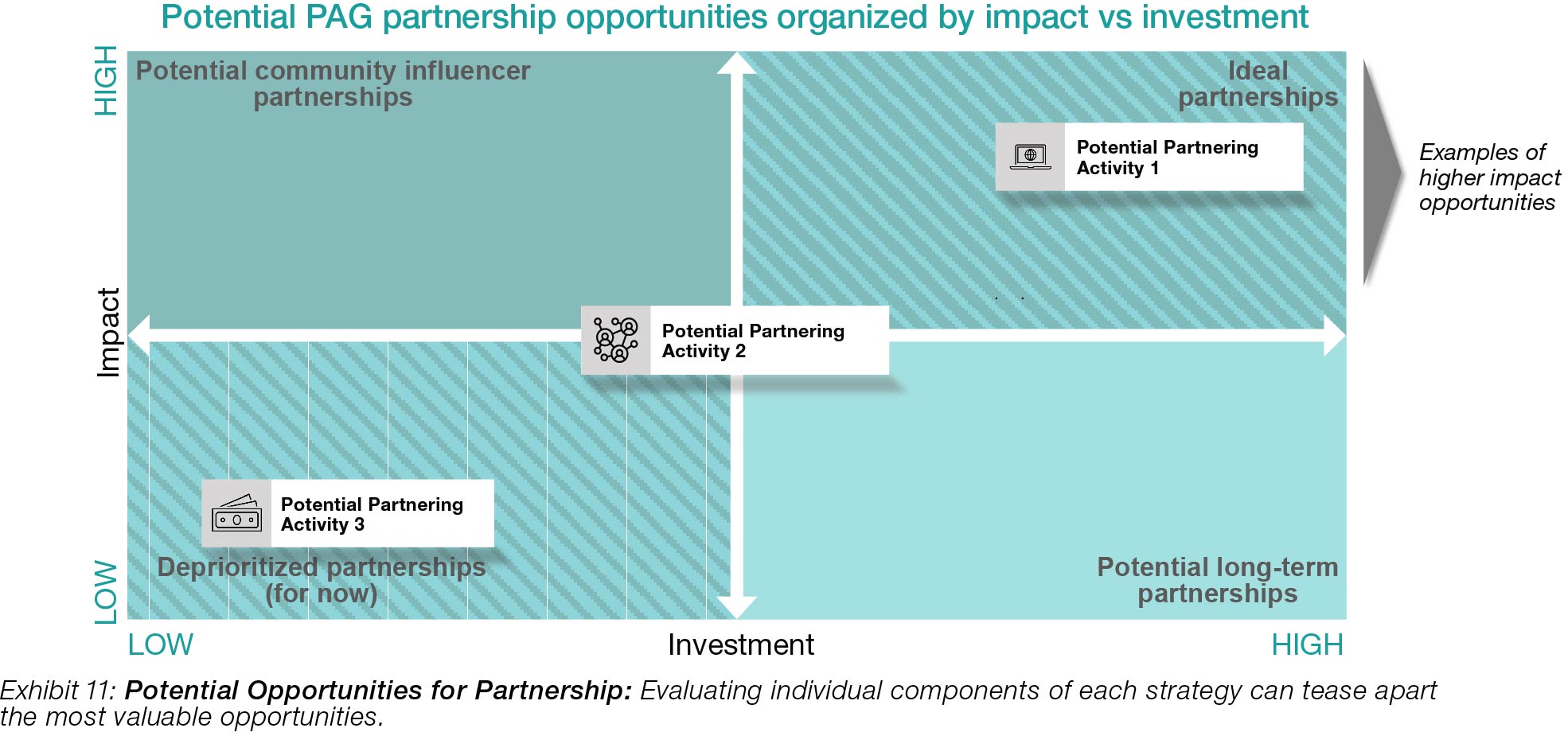
Once the client has identified whom to partner with, Ipsos will look at how they could partner. PAGs are not generally looking for one-off donations to support their mission; they are looking for mutual collaboration and growth with healthcare organizations. Based on the evaluation of each organization, Ipsos develops customized partnership goals to promote patient-centric activities within the community. The intent of the comprehensive partnership framework (Exhibit 11) is to align stakeholder needs with advocacy activities related to the unique opportunities each group offers.
At Ipsos, we believe all healthcare stakeholders need to take this long-term, sustainable approach to partnerships. Doing so will improve patient-centric focus and create change in the industry. Ipsos’ thorough framework identifies the opportunities for bi-directional partnerships between PAGs and healthcare organizations, demonstrating a transparent commitment to patient-centric activities.
References
1 Birch, Rebecca, et al. “Development and Formative Evaluation of Patient Research Partner Involvement in a Multi-Disciplinary European Translational Research Project.” Research Involvement and Engagement, vol. 6, no. 1, 19 Feb. 2020. 10.1186/s40900-020-0178-7.
2 Valderas, Jose Maria, et al. “Patient Engagement: Technical Series of Safer Primary Care.” World Health Organization. https://apps.who.int/iris/bitstream/handle/10665/252269/9789241511629-eng.pdf
3 du Plessis, Danie, et al. “Patient Centricity and Pharmaceutical Companies: Is It Feasible?” Therapeutic Innovation & Regulatory Science, vol. 51, no.4, July 2017, pp. 460-467, 10.1177/2168479017696268.
4 Domecq, Juan Pablo, et al. “Patient Engagement in Research: A Systematic Review.” BMC Health Services Research, vol. 14, no. 1, 26 Feb. 2014, 10.1186/1472-6963-14-89. (Society, n.d.)
5 Hoos A, Anderson J, Boutin M, Dewulf L, Geissler J, Johnston G, et al. “Partnering with patients in the development and life cycle of medicines: A call for action.” Ther Innov Regul Sci. (2015) 49:929–39. 10.1177/2168479015580384.
6 National Multiple Sclerosis Society. (n.d.). “Landmark Study Estimates Nearly 1 Million in the US Have Multiple Sclerosis.” National Multiple Sclerosis Society. 15 Feb. 2019. https://www.nationalmssociety.org/About-the-Society/ews/Landmark-Study-Estimates-Nearly%C2%A01-Million-in-the-U
7 Above MS. (n.d.). “Connect with MS Organizations.” Above MS. https://www.abovems.com/en_us/home/living-with-ms/relationships-support/ms-organizations.html


