
Why are Millennials skipping the baking mix aisle?
Baking mixes offer a convenient option for anyone seeking fresh-from-the-oven treats but lacking the time to bake from scratch. Yet these once-essential time savers are making their way into shopping carts less often. Familiar brands that Baby Boomers couldn’t live without don’t hold the same appeal for their Millennial children. So why are consumers leaving cake and brownie mixes on the shelves?
The simplest explanation lies with the explosive focus on health and wellness in recent years. Consumers, especially Millennials, are more concerned than ever with the ingredients in their food, the nutritional benefits of what they eat, and the health effects of their diets.
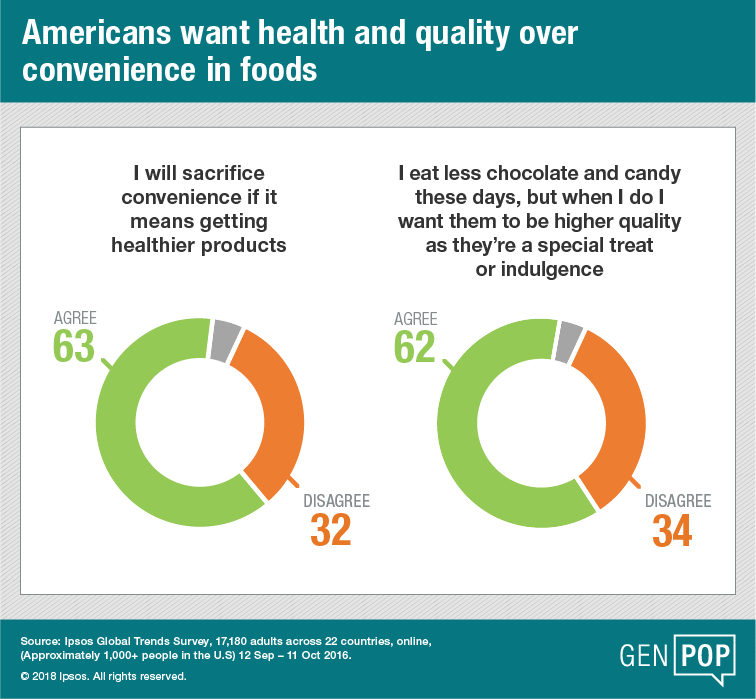
About two in three U.S. consumers are willing to sacrifice convenience in the name of health, according to a recent Ipsos Global Trends Survey. Baking mixes typically come with long ingredient lists that often include preservatives, food coloring, and added sugars – which health-conscious consumers avoid. When they bake from scratch instead, Millennials know they’re baking with familiar, simple ingredients.
Baking mix makers took notice and began to offer organic, clean label, non-GMO mixes, including gluten-free and vegan options. Still, sales continue to fall as appealing to Millennials’ health obsession doesn’t seem to cure the category’s problems. Clean labels may not be as important to Baby Boomers and seniors, who seem to feel that as long as they’re indulging in a baked good, the health benefits don’t matter much.
Perhaps more telling is that 62% of U.S. consumers say because they are consuming fewer sweets, their standards for those infrequent indulgences are higher, according to the Ipsos Global Trends Survey. Shopper tracking shows that they may be heading to the bakery in lieu of the baking aisle.
Baking new growth
Shrinking households aren’t helping matters. Millennials infamously postpone parenthood until later in life, while couples who do have children are having fewer of them. These smaller households with fewer children are rising and may be leading to fewer baking projects.
Duncan Hines has found at least one creative solution to this challenge. In early 2017, it rolled out the Perfect Size for 1 bakery mix line. It has 18 baked good varieties that people can prepare in a coffee cup in one microwave minute. It also gives consumers a one-time indulgence instead of the choice between wasting food or eating their way through a pan of brownies over the course of a week.
Keeping in mind the disparate eating insights about Millennials and older consumers, there are two potential directions for the category to grow. The first is to play into consumers’ feelings that when they’re indulging in a rare treat, they may as well select the highest quality option — and turn a blind eye to the nutrition facts.
Baking brands can match consumers who want to lean into the guilty-pleasure nature of desserts by creating lines of indulgent and premium products, with results satisfying enough to compete with bakery concoctions.
The second and somewhat opposite direction delves into the realm of nutritious snacks. Creative, new baking products like energy bites, bars, and balls can tout “whole grain,” “natural” and “protein” claims to convince wellness-minded Millennials that they have a place in their eating plans. For brands classically associated with sugary sweets, however, this transition may prove tricky to pull off.
Rekindling love through the stomach…and YouTube
Where product development possibilities are limited, brands may turn instead to messaging. They can make powerful emotional connections by tapping into the “nostalgia” of the baking aisle. If brands can conjure Millennial’s’ childhood memories of the baking mixes their parents used, they may be able to bring in younger bakers.
Additionally, brands can meet Millennials where they are by producing online and social media content. If consumers come across a unique recipe or recipe video online, they may be persuaded to pick up a baking product that wouldn’t typically be on their shopping list.
Whichever way they choose to adapt, it’s clear that baking mixes have no choice but to come up with new recipes for remaining relevant
This article was originally published in GenPop, a magazine powered by Ipsos, about people and what makes them tick. Each article is grounded in research, but layered with perspective, examples, insights and stories. Click here to visit GenPop today.

![[WEBINAR] TOAST 2026: Under Pressure - Fewer, Fragmented, Fought-For](/sites/default/files/styles/list_item_image/public/ct/event/2026-07/thumbnail-templates_1_0.png?itok=MxL-wPJW)
