
Customers are back. What about customer service?
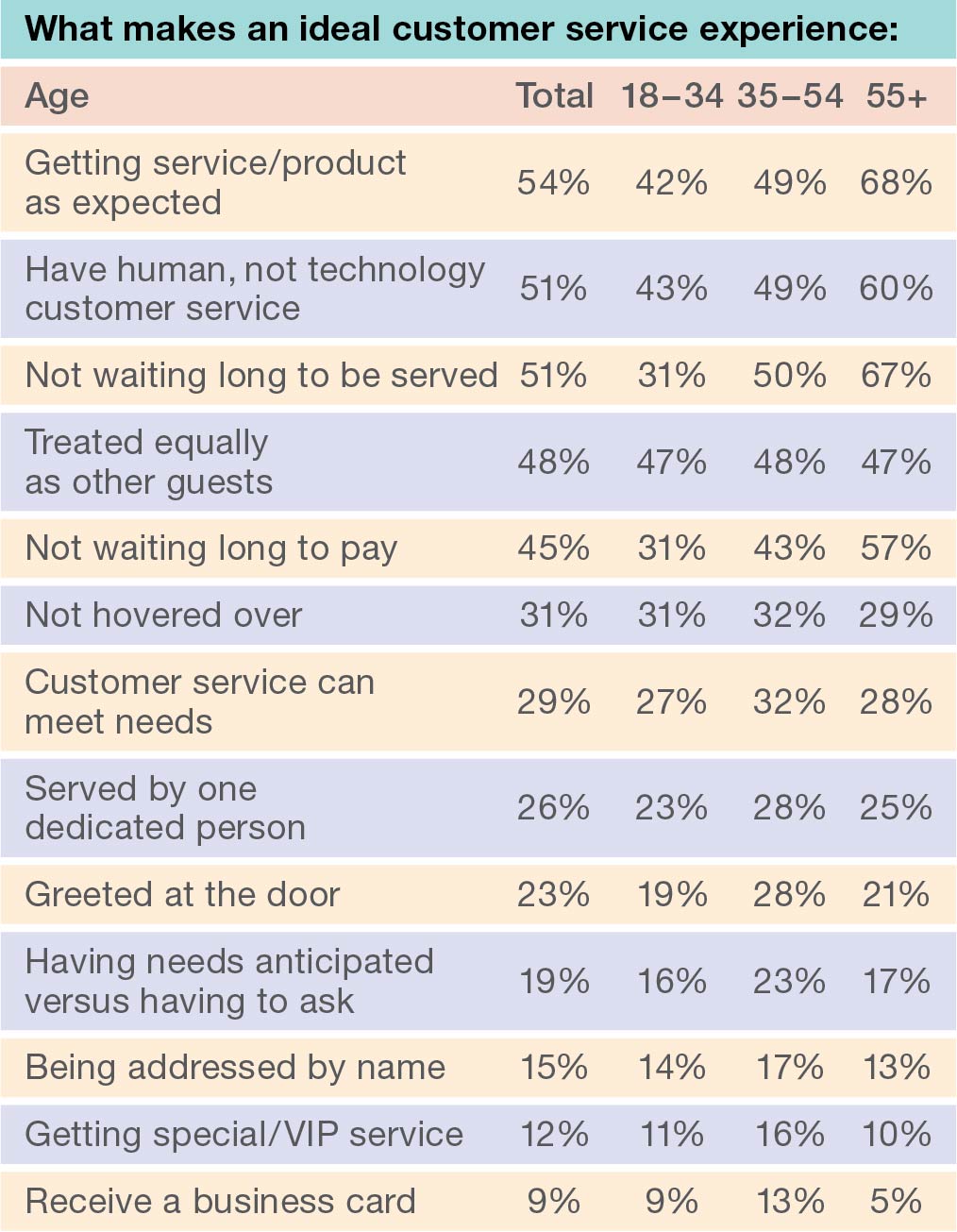
According to a recent Ipsos U.S. Omnibus survey, many Americans say they feel very satisfied if they simply encounter the basics: receiving a service/product as expected; getting human interaction; not just technology customer service; and/or not having to wait long to be served. Older Americans (55 and older) are especially likely to want those basic expectations met. Other customer service expectations that may have previously been considered common also make consumers feel positive about their transaction.
Read our latest Thought Starter for more insights about how Americans are responding to recent staffing and product shortages. This valuable information allows you to optimize messaging on an infinite number of products and categories or identify growth with potential product extensions.
KEY FINDINGS:
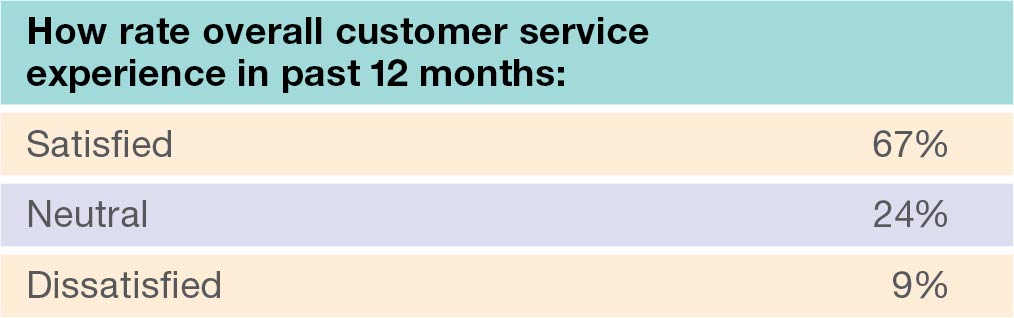
- Most Americans feel satisfied with their overall experiences with customer service in the past 12 months.
- Expectations for customer service have changed in the past year: most (66%) say they expect the same, while 18% indicate expectations are now higher.
- Older Americans (21%) are most likely to say they have lowered their customer service expectations this past year.
More and more Americans are back to their normal activities, such as eating out, in-store shopping, travel and heading back to the office. However, it appears not all industries are staffed and prepared to meet the needs of the returning consumer. Ipsos eNation Omnibus wanted to find out how Americans feel about their service experiences as they venture out.
It’s been difficult to meet consumer needs as businesses deal with a tight job market, inflation, product shortages and transportation delays. The lack of labor has made it extremely difficult to hire more staff or lay off low-performing employees. It’s a challenging situation that leads to disappointed customers and overworked, unhappy employees.
Today’s customer service is not on target
In general, Ipsos discovered most Americans feel satisfied with their overall experiences with customer service in the past 12 months.
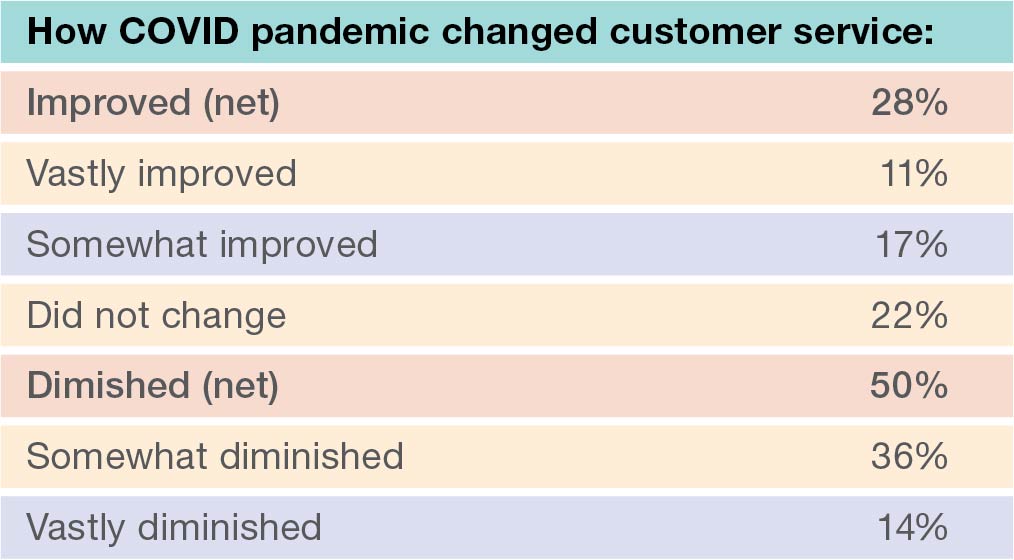
However, half feel customer service has diminished since COVID started. Older Americans are even more likely (70%) to think the pandemic has negatively impacted customer service.
Looking at how expectations for customer service have changed in the past year, most (66%) say they expect the same, while 18% indicate expectations are now higher and 16% indicate they have lowered their expectations. Older Americans (55 and older) are most likely to say they have lowered (21%) their customer service expectations this past year. Those in households with income of $100,000 or more are most likely to now have higher expectations (30%).

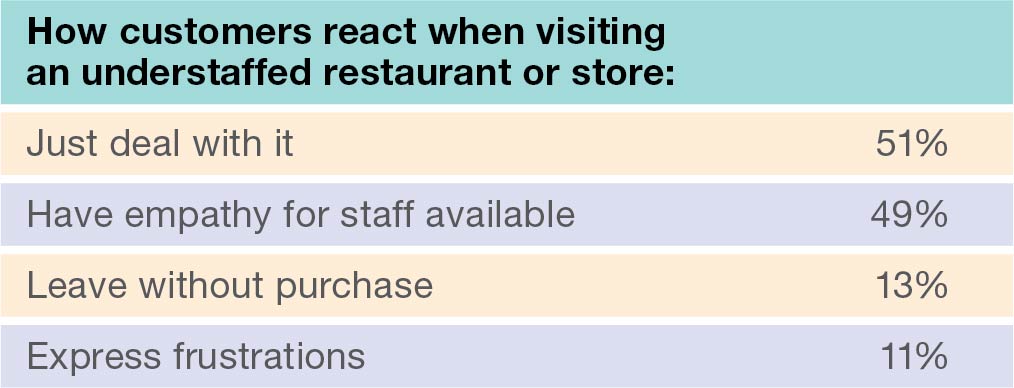
Still, most respondents are showing patience while experiencing the prevalent shortages of staff.
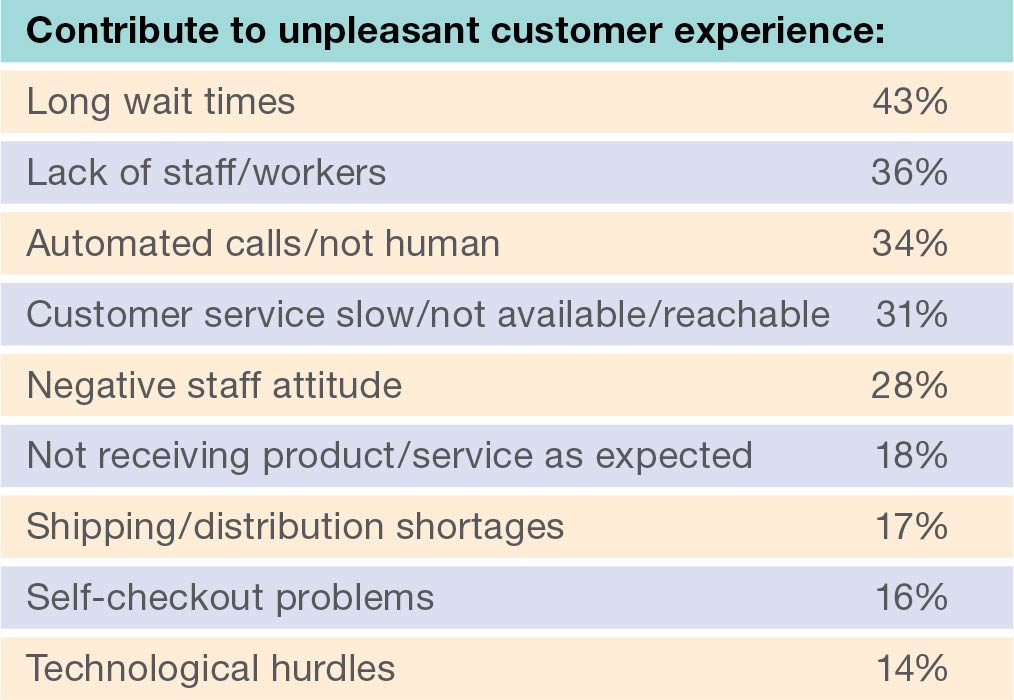
Why do customers think service has declined?
A study conducted by Arizona State University concluded customer service is worse than ever and so is customer rage. Ipsos found at least 25% of Americans feel long wait times, lack of staff, automated/not human phone interaction, limited customer service staff and/or negative staff attitudes are the leading factors contributing to a bad customer experience.
Ipsos asked those who encountered a customer service experience this past year how they felt customer service had changed. Few—usually 20% or less—indicated their service has improved this past year; most thought service has remained the same. However, for retail, restaurants, telecommunications, and airline customers, at least one-third said they experienced a decline in quality of service in this past year. The financial industry received the most service-improved mentions (27%).

Getting back to basics will improve customer service experiences
Many Americans say they feel very satisfied if they simply encounter the basics: receiving a service/product as expected; getting human interaction; not just technology customer service; and/or not having to wait long to be served. Older Americans (55 and older) are especially likely to want those basic expectations met. Other customer service expectations that may have previously been considered common also make consumers feel positive about their transaction.
Many Americans hope that once staffing shortages and distribution channels improve, so will customer service experiences. When asked, half of Americans think customer service will improve by the year 2025.
With growing frustration levels and limited workers available, it’s important for managers to find new ways to motivate employee performance. Incentives, awards and recognitions will be needed to keep good workers on staff. With limited labor options, keeping your customers and employees coming back is of major importance.


![[WEBINAR] Ipsos Reputation Council 2026: Life After Predictability](/sites/default/files/styles/list_item_image/public/ct/event/2026-09/thumbnail-templates%20demo_2.png?itok=d-YX5bio)
![[WEBINAR] Know America at 250: Public Opinion Update](/sites/default/files/styles/list_item_image/public/ct/news_and_polls/2026-09/250_0.png?itok=7pwykKmG)