

CPG Growth Series: The occasion trap — and how CPG brands can escape it
Most CPG marketing focuses heavily on proving what a product does, leaving consumers to figure out when to actually use it. The risk in this approach is that consumers assign the product to a single, rigid routine, severely limiting purchase frequency despite high brand awareness.
The result? A brand becomes trapped in a narrow mental box with a limited footprint. But brands don't have to accept those boundaries as permanent. Real growth comes from intentionally expanding your brand’s occasion network and teaching consumers new moments to reach for your product.
Building new occasions with Ipsos BeSci
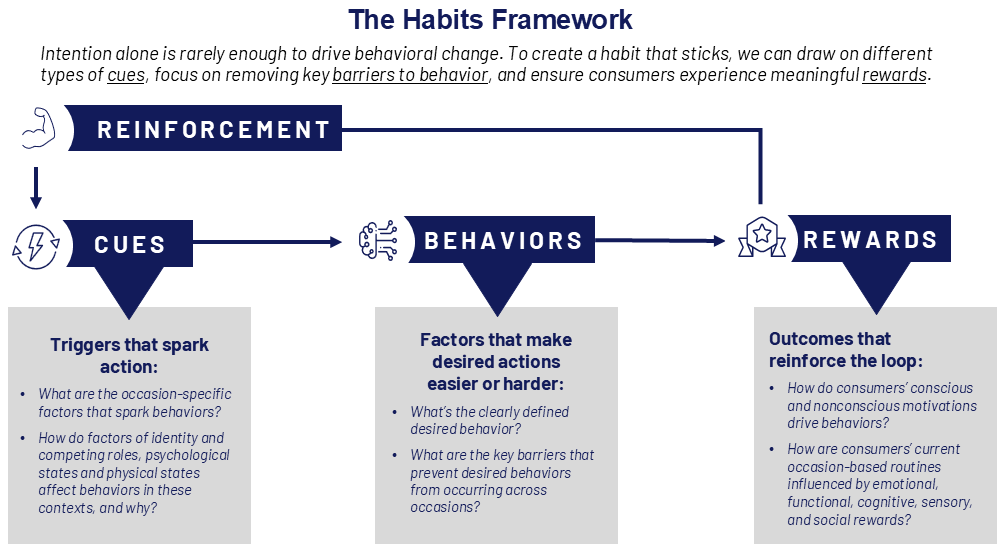
Expanding your brand's occasion network isn't about traditional messaging – it's about finding where else your product naturally fits next. Powered by the Ipsos BeSci Habits Framework, we help brands thoughtfully expand their daily footprint through three deliberate moves:
- Cue the Moment: Explicitly show consumers when, where, and with whom the product belongs to anchor it to new mental triggers.
- Remove Behavioral Friction: Target and eliminate the subtle context hurdles stopping seamless adoption in new routines.
- Align Benefit to Reward: Ensure the product's functional outcome matches the precise emotional or physical payoff sought in that specific contextual habit loop
When to act: strategic triggers
While every brand benefits from expanding usage, marketing leaders facing these specific market triggers should be especially motivated to act — before growth stalls:
The "Pigeonhole" Effect (High Trial, Low Repeat)
Household penetration is solid, but volume per household is flat because consumers only reach for the product during a single specific moment (e.g., "only on weekends" or "only for movie nights").
- Action Step: Deploy rapid occasion-discovery sprints—using digital listening and co-creation workshops—to map adjacent consumer rewards and brainstorm new, high-value contexts for your brand.
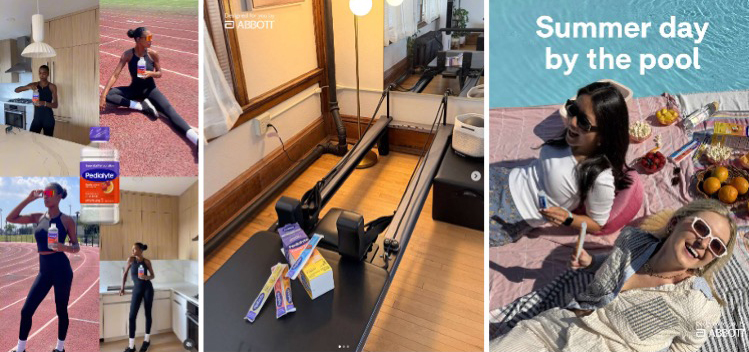
Example 1 – Pedialyte
Despite a name naturally linked to pediatric care, Pedialyte successfully expands its occasion footprint by explicitly cueing adult usage moments—from gym water bottles to poolside swim bags.
The Category Ceiling (Stagnant Growth)
Organic growth has slowed and gaining market share is increasingly expensive, making total consumption expansion the primary path forward.
- Action Step: Map adjacent white spaces to identify low-friction "stretch" occasions, then re-frame communications to build new contextual cues.
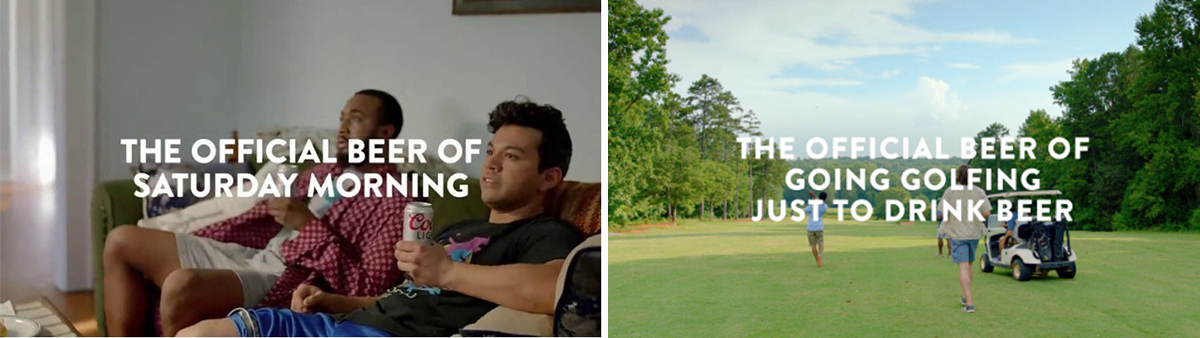
Example 2 – Coors
Coors Light sought to expand its footprint by claiming hyper-specific micro-moments—declaring itself the official beer of everything from Saturday mornings to casual golf outings.
The Innovation Disconnect (Misunderstood Formats)
Launching new pack sizes, formats, or formulations that consumers like conceptually, but don't automatically know where to fit into their routines.
- Action Step: Evaluate whether consumers actually understand the intended time, place, and routine for the new product, diagnosing the say-do gap between initial concept appeal and real-world habit integration.
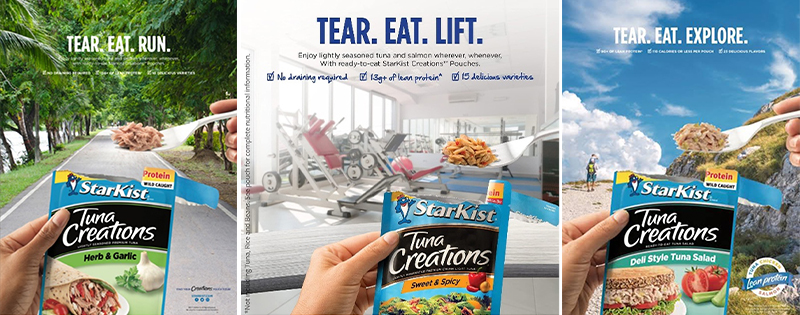
Example 3 – Starkist Tuna
StarKist’s "Tear. Eat." campaign removed the physical friction of traditional canned tuna—unlocking new, on-the-go occasions like post-workout fueling, outdoor adventure, and desk-side snacking.
Conclusion
Unlocking purchase frequency requires shifting from targeting static need-states to active habit creation. By pairing Ipsos’ behavioral science expertise with rigorous diagnostic research, we help insights and marketing leaders identify high-potential white-space occasions, diagnose behavioral friction, and validate context-rich messaging that converts awareness into lasting daily habits, consumption and growth.


