
Generations - Beauty boom: stereotypes, myths and reality
"This is where a wrinkle can appear". It's 1981 and in Maybelline's Moisture Whip advert, barely 30-year-old actress Linda Carter points to the corner of her own eye, imploring her fellow baby boomers to follow her advice "to interrupt the ageing process”.
Fast forward to 2023, where the concept of beauty has undergone an evolution, and advancing age no longer seems to be inversely proportional to being attractive. However, despite our European scenario, where the population is ageing relentlessly (reaching a peak in Italy where 47% of the population is aged 50+ in 2022), female baby boomers feel that they are still negatively represented by society and that, indeed, the latter even expects their gradual withdrawal from public life.
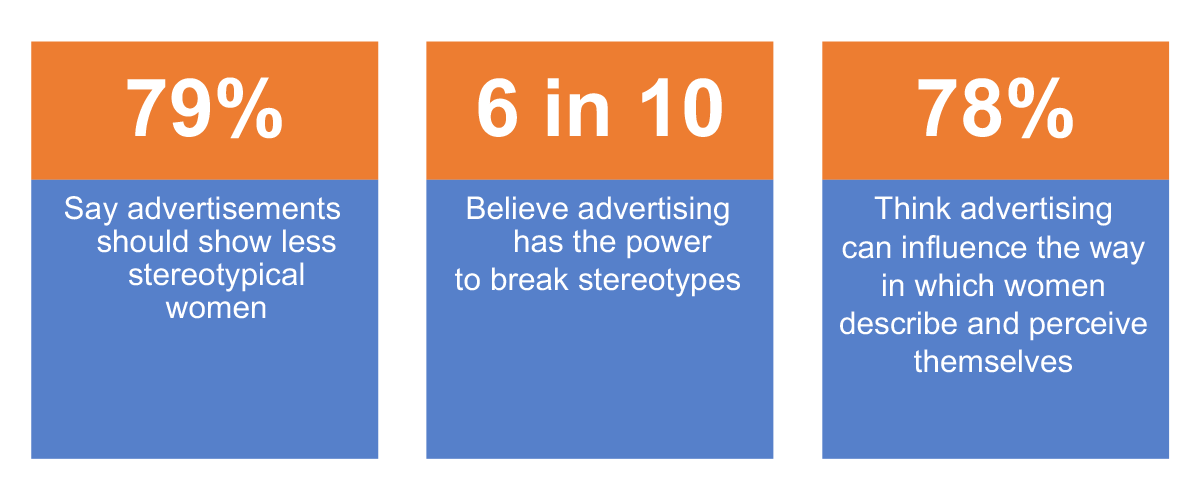
There is an important disparity between reality, perception, and value attribution, which shows how society's evolution in inclusion and diversity issues is not transversal to all targets. Our studies show how communication has the power to influence how women see and perceive themselves (78% agree) and 6 in 10 women say that advertising is a powerful tool to challenge stereotypes.
For this reason, beauty brands have the opportunity, but also the duty, to contribute to creating a different and empowering narrative towards female baby boomers, to safeguard their self-esteem, psychological wellbeing, and sense of empowerment.
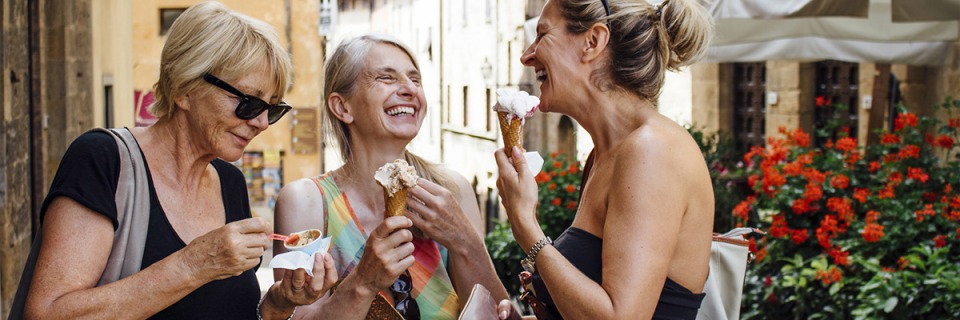
A first step is to break down the countless stereotypes that gravitate around this cohort, particularly those that see them as 'redundant' – socially, economically and sexually – and to show the goals. There is the widespread stereotype that ageing women have little or nothing to talk about and only engage in clichéd activities such as looking after grandchildren or gardening. In reality, data shows how European baby boomers perceive reaching a certain age as the time when they can finally devote themselves to what they really enjoy. This is why they continually challenge themselves experimenting with new passions, and beyond those who exercise at least once a week (59%), we have cases of baby boomers who have become true inspirational style models and muses – such as Italian influencer Licia Fertz, who won a marketing award at the extraordinary age of 90.
Far from having a generalised phobia of technology, the pandemic saw rising adoption of online social spaces as a place where everyone can find expression and inspiration for beauty topics, while fostering intergenerational relationships (12% of baby boomers were using social media at least once a day in 2018 vs. 43% in 2021).
There is still much to be done to give value to this group, but it is significant to point out that 82% of people participating in one of our studies stated that it is good to see attractive and sexually active mature women in advertising. A figure that also invites us to rethink the terminology with which we describe advancing age in cosmetic products: no longer a fear of wrinkles and repair, but a process that should be welcomed and appreciated, and indeed glorified.
Silvia Andreani
Table of content
- An introduction to Flair Italy 2023: Catenaccio
- ESG investment: From 'ideals' to concreteness
- Food: Recipes for the future
- Fashion: Opportunities and challenges in 2023
- Green mobility: Cities as a laboratory for tomorrow’s mobility
- Tourism: Holidays, inflation and luxury
- Generations - Beauty boom: stereotypes, myths and reality
| Previous |