Oncology in the Time of COVID

The COVID-19 pandemic has been challenging for healthcare systems worldwide – with an already overburdened system and large population, the Indian healthcare system was no exception.
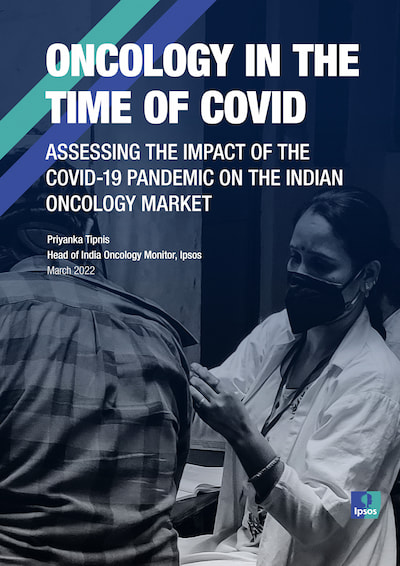
Ipsos white paper - Oncology in the Time of COVID: Assessing the impact of the COVID-19 pandemic on the indian oncology marketCancer patients in particular experienced impacts to many aspects of their care – two years on we reflect on specific effects seen in the Indian oncology market and how we believe a promising new upturn is taking shape.

In this paper, we combine data from three Ipsos studies conducted in India with our current therapy expertise and market insight, to outline how the COVID-19 pandemic influenced drug-treated cancer patient estimates, oncology drug revenue estimates and patient caseload management.

We also offer a forward-looking perspective on how we believe new healthcare initiatives put in place in this region may alleviate the effects of the pandemic and the future cancer treatment landscape.


The author(s)

More insights about Health

Related news

  • The Human Advantage Conference 2026: Highlights

    The Human Advantage Conference 2026: Highlights

    Ipsos is proud to support The Human Advantage 2026, a flagship event bringing together some of the world's leading experts and key industry figures to explore how behavioural science, AI, and human intelligence can address the critical challenges facing businesses and society. Here's a look back at two days of live coverage.
  • [WEBINAR] KEYS: Dialling Up the S In Sustainability
    KEYS Events replay

    [REPLAY] KEYS: Dialling Up the S In Sustainability

    In the next episode of our KEYS webinar, we’ll be asking whether now is the time when organisations should be ‘dialling up the S’ in their sustainability initiatives.
  • [Webinar] Real-World Evidence: Empowering the Patient
    Healthcare Webinar

    [Replay] Real-World Evidence: Empowering the Patient

    Patient voices are now central to regulatory, HTA and commercial decisions. But how do we move beyond tick-box engagement to evidence that truly reflects lived experience? Join our expert panel for a 360° perspective on making patient-centricity work in practice.