
More Than Money
Chapter in DEMOS Publication "The Good Life"
'Happiness is a warm puppy', according to Charles Schultz, creator of Snoopy, the American cartoon character. According to a MORI survey carried out in 1981 and repeated again in 1991 and 1997 however, the prime consideration of subjective happiness for most people is their state of health. When asked to judge which several factors among a list of ten or so things that are 'most important for you personally in determining how happy ocarr unhappy you are in general these days', most people said 'health' (59%), followed by 'family life' (41%) and then 'marriage/partner' (35%) and then 'job/employment of you/your family' (31%). These factors stood well above education received (7%), housing conditions (9%) or even financial condition/money (25%).
One person in four in Britain effectively said that money can indeed buy happiness, or perhaps felt that lack of it brought misery, recalling the immortal words of Mr. Micawber: "Annual income twenty pounds, annual expenditure nineteen nineteen six, result happiness. Annual income twenty pounds, annual expenditure twenty pounds ought and six, result misery."
Statistics from some 54 countries around the world do in some degree bear out Charles Dickens's homespun philosopher, according to the World Values Survey, directed by Professor Ronald Inglehart at the University of Michigan. It found a .70 correlation between the subjective response that people are 'very' or 'quite' happy, and the objective measure of 'Real GDP per capita' (PPP$), from 1995 data reported in the Human Development Report 1998. This is a significantly higher correlation than that of the HDI (Human Development Index), which the UNDP computes using a combination of real GDP, longevity, as expected at birth, and educational attainment, as measured by adult literacy and enrolment ratios, which scores a correlation of .47 (See Table 1).
WORLD VALUES SURVEY HAPPINESS INDEX
Q Taking all things together, would you say you are: very happy, quite happy, not very happy, or not at all happy?
| Happiness Index | Nation | Not at all | Not very | Quite | Very | Total | Very / Quite | Not Very / Not at All | Net | HDI* | GDP ($ in 1995) |
|---|---|---|---|---|---|---|---|---|---|---|---|
| % | % | % | % | % | % | % | % | % | % | ||
| 1 | Iceland | 0 | 2 | 55 | 42 | 100 | 97 | 3 | 94 | 0.942 | 21,064 |
| 2 | Sweden | 1 | 4 | 59 | 36 | 100 | 96 | 4 | 91 | 0.936 | 19,297 |
| 3 | Netherlands | 1 | 4 | 55 | 40 | 100 | 96 | 4 | 91 | 0.941 | 19,876 |
| 4 | Denmark | 1 | 4 | 60 | 36 | 100 | 95 | 5 | 91 | 0.982 | 21,983 |
| 5 | Australia | 1 | 4 | 56 | 39 | 100 | 95 | 5 | 90 | 0.932 | 19,632 |
| 6 | Ireland | 1 | 4 | 53 | 42 | 100 | 95 | 5 | 89 | 0.93 | 17,590 |
| 7 | Switzerland | 1 | 5 | 57 | 38 | 100 | 95 | 5 | 89 | 0.93 | 24,881 |
| 8 | Norway | 1 | 5 | 65 | 29 | 100 | 94 | 6 | 88 | 0.943 | 22,427 |
| 9 | Britain | 1 | 6 | 55 | 38 | 100 | 93 | 7 | 87 | 0.932 | 19,302 |
| 10 | Venezuela | 1 | 6 | 39 | 55 | 100 | 93 | 7 | 87 | 0.86 | 8,090 |
| 11 | Belgium | 1 | 6 | 55 | 37 | 100 | 93 | 7 | 86 | 0.933 | 21,548 |
| 12 | Philippines | 1 | 6 | 52 | 40 | 100 | 93 | 7 | 85 | 0.677 | 2,762 |
| 13 | USA | 1 | 7 | 53 | 39 | 100 | 92 | 8 | 84 | 0.943 | 26,997 |
| 14 | France | 1 | 7 | 69 | 23 | 100 | 92 | 8 | 84 | 0.946 | 21,176 |
| 15 | Finland | 1 | 7 | 72 | 20 | 100 | 92 | 8 | 83 | 0.942 | 18,547 |
| 16 | Austria | 1 | 8 | 60 | 30 | 100 | 91 | 9 | 81 | 0.933 | 21,322 |
| 17 | Canada | 2 | 10 | 55 | 32 | 100 | 88 | 12 | 75 | 0.96 | 21,916 |
| 18 | Poland | 2 | 11 | 73 | 14 | 100 | 87 | 13 | 74 | 0.851 | 5,442 |
| 19 | W Germany | 2 | 12 | 70 | 16 | 100 | 86 | 14 | 72 | 0.925 | 20,370 |
| 20 | Japan | 1 | 13 | 63 | 23 | 100 | 86 | 14 | 72 | 0.94 | 21,930 |
| 21 | Turkey | 3 | 12 | 46 | 39 | 100 | 86 | 14 | 71 | 0.782 | 5,516 |
| 22 | Bangladesh | 2 | 13 | 67 | 18 | 100 | 85 | 15 | 70 | 0.371 | 1,382 |
| 23 | S Korea | 2 | 14 | 73 | 11 | 100 | 84 | 16 | 68 | 0.894 | 11,594 |
| 24 | Spain | 1 | 15 | 64 | 20 | 100 | 84 | 16 | 68 | 0.935 | 14,789 |
| 25 | Italy | 3 | 15 | 69 | 13 | 100 | 82 | 18 | 64 | 0.922 | 20,174 |
| 26 | Uruguay | 2 | 18 | 59 | 21 | 100 | 80 | 20 | 60 | 0.885 | 6,854 |
| 27 | Argentina | 3 | 18 | 53 | 27 | 100 | 80 | 20 | 59 | 0.888 | 8,498 |
| 28 | Brazil | 2 | 18 | 58 | 22 | 100 | 79 | 21 | 59 | 0.809 | 5,928 |
| 29 | Azerbaijan | 1 | 21 | 67 | 11 | 100 | 78 | 22 | 56 | 0.623 | 1,463 |
| 30 | Chile | 2 | 22 | 46 | 30 | 100 | 76 | 24 | 52 | 0.893 | 9,930 |
| 31 | China | 2 | 23 | 49 | 25 | 100 | 74 | 26 | 49 | 0.65 | 2,935 |
| 32 | Mexico | 2 | 24 | 43 | 31 | 100 | 74 | 26 | 48 | 0.855 | 6,769 |
| 33 | Portugal | 3 | 23 | 61 | 13 | 100 | 74 | 26 | 48 | 0.892 | 12,674 |
| 34 | S Africa | 6 | 20 | 45 | 29 | 100 | 74 | 26 | 47 | 0.717 | 4,334 |
| 35 | Dominican Republic | 1 | 25 | 41 | 32 | 100 | 74 | 26 | 47 | 0.72 | 3,923 |
| 36 | Hungary | 5 | 22 | 62 | 11 | 100 | 73 | 27 | 46 | 0.857 | 6,793 |
| 37 | Nigeria | 7 | 20 | 28 | 45 | 100 | 73 | 27 | 46 | 0.391 | 1,270 |
| 38 | Czech | 3 | 25 | 67 | 6 | 100 | 73 | 27 | 45 | 0.884 | 9,775 |
| 39 | Ghana | 4 | 24 | 45 | 26 | 100 | 72 | 28 | 43 | 0.473 | 2,032 |
| 40 | India | 4 | 26 | 47 | 23 | 100 | 70 | 30 | 40 | 0.451 | 1,422 |
| 41 | Slovenia | 4 | 30 | 55 | 11 | 100 | 66 | 34 | 32 | 0.887 | 10,549 |
| 42 | Croatia | 5 | 29 | 57 | 8 | 100 | 66 | 34 | 31 | 0.759 | 3,972 |
| 43 | Georgia | 6 | 31 | 52 | 11 | 100 | 64 | 36 | 27 | 0.663 | 1,389 |
| 44 | Latvia | 4 | 33 | 60 | 3 | 100 | 63 | 37 | 27 | 0.704 | 3,273 |
| 45 | Estonia | 6 | 31 | 59 | 4 | 100 | 63 | 37 | 26 | 0.758 | 4,062 |
| 46 | Romania | 5 | 33 | 55 | 6 | 100 | 62 | 38 | 23 | 0.767 | 4,431 |
| 47 | Armenia | 8 | 36 | 51 | 6 | 100 | 57 | 43 | 14 | 0.674 | 2,208 |
| 48 | Lithuania | 4 | 41 | 51 | 4 | 100 | 55 | 45 | 10 | 0.75 | 3,843 |
| 49 | Slovakia | 5 | 43 | 48 | 4 | 100 | 52 | 48 | 4 | 0.875 | 7,320 |
| 50 | Russia | 6 | 43 | 44 | 6 | 100 | 51 | 49 | 2 | 0.769 | 4,531 |
| 51 | Ukraine | 9 | 43 | 43 | 5 | 100 | 48 | 52 | -4 | 0.665 | 2,361 |
| 52 | Belarus | 8 | 46 | 41 | 5 | 100 | 46 | 54 | -8 | 0.783 | 4,398 |
| 53 | Moldova | 8 | 48 | 40 | 4 | 100 | 44 | 56 | -12 | 0.61 | 1,547 |
| 54 | Bulgaria | 12 | 50 | 31 | 7 | 100 | 38 | 62 | -24 | 0.789 | 4,604 |
| Average | 3 | 18 | 56 | 24 | 100 | 80 | 20 | 59 | 0.772 | 10,605 | |
| Correlation | 0.47 | 0.70 | |||||||||
HDI* = Human Development Index, based on UNDP data reported in the Human Development Report 1998 (OUP), based on three indicators, life expectancy at birth, educational attainment, and standard of living (real GDP per capita). p. 107
Base: c. 1,000 in each country, 1995-7
Money isn't everything certainly, but it's said: 'It's way ahead of anything else'. Or is it? According to another poll done by MORI in Britain in 1993, When asked 'Overall in the last week, how have you been feeling? Have you been very happy, fairly happy, neither happy nor unhappy, fairly unhappy or very unhappy?, eight in ten (79%) people reported they had overall been 'happy', and 13% 'unhappy', the rest neutral. Interestingly, there were no 'don't knows'. Women were slightly more likely to report being happy than men, 82% to 76%, and younger (18-34), 81% of whom reported being happy, as were older people (55+), 88% of whom were 'happy'. The least happy were those in the 35-44 year old age cohort, seven in ten still who were happy, but one in five not. More were happy in Wales (90%); fewer Scots were happy (75%), conforming to the English image of the dour Scot.
Surprisingly, marriage didn't make that much difference, as 79% of those who were married said they were happy, while nearly as many single (78%) and separated/divorced (76%) were. This finding is in contrast with that of Professor Michael Argyle, emeritus reader in happiness (sic) at Oxford, who reportedly has found that one of the most important guarantees of happiness, especially with men, is marriage. Not according to our findings it isn't. A happy sex life however was found to be a strong determinant in achieving an overall state of bliss.
Those who reported that they were 'satisfied' with their own sex life were significantly more likely to say they were happy than those who said they were 'dissatisfied'. While 82% of those who reported they were satisfied with their sex life said they were happy, far fewer, 62%, of those unhappy with their sex life said they were unhappy with life generally, and more than a quarter, 27%, said they were unhappy.
There are subjective measures taken from such polls, and there are objective measures such as life expectancy, GDP or educational attainment. When asked their subjective state of happiness generally, and their reported state of health, there is a very high correlation (of some .84). On the other hand, there seems to be little correlation between trust in institutions and a nation's reported state of happiness. When asked if they trust their various institutions, church, army, police, parliament, etc., the Nigerians, South Africans, Indians and Chinese score highest, while the Americans, Icelanders, Germans and Mexicans are in the middle, and the Argentines, Japanese and Czechs are at or near the bottom. As can be seen from these countries' position in the table above, trust in institutions doesn't seem to guarantee happiness.
What does matter is people's perceived social class right across the globe, which is of course tied to income in most cases. As shown in table two, nearly eight in ten of those who describe themselves as upper class report that they are happy, while just one in five of those who report themselves to be lower class think of themselves as happy. If the average punter is indexed as 100%, 30% more of the toffs report being happy (they would, wouldn't they?) while only a third of those in the lower class are, compared to the average.
WORLD VALUES SURVEY HAPPINESS INDEX
Q Taking all things together, would you say you are: very happy, quite happy, not very happy, or not at all happy?
| Religious | Not at all | Not very | Quite | Very | Total | Very / Quite | Not Very / Not at all | Net | Index |
|---|---|---|---|---|---|---|---|---|---|
| % | % | % | % | % | % | % | % | % | |
| Very | 4 | 17 | 47 | 32 | 100 | 79 | 21 | 58 | 105 |
| Rather | 3 | 20 | 57 | 21 | 100 | 77 | 23 | 55 | 99 |
| Not very | 2 | 20 | 60 | 18 | 100 | 78 | 22 | 56 | 101 |
| Not at all | 3 | 21 | 56 | 19 | 100 | 75 | 25 | 51 | 92 |
| Total | 3 | 19 | 54 | 23 | 100 | 78 | 22 | 55 | 100 |
Source: World Values Survey Base: c. 1,000 in each country, 1995-7
Religion makes relatively little difference, although those who describe themselves as 'very' religious are significantly more likely to also describe themselves are happy than those who are 'not at all' religious. Again, these findings differ from Professor Argyle's. He found that attending church plays a big part in someone's state of mind, and those who attend regularly are much happier than non-believers. With so few attendees in the British population, even among those who profess belief in God, perhaps he's mixed apples and oranges?
Base: 1,230 British adults interviewed in-home throughout Britain 1997 Source: MORI
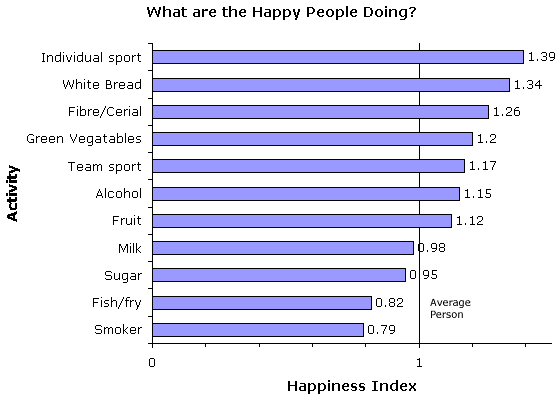
In the survey for our book, Typically British, published in 1991, Eric Jacobs and I hoped to identify the secret to happiness. We compared the percentages of the adult population in Britain who said they were 'very happy' to those who said they were 'unhappy'to obtain a 'Happiness Index', and found that people who take part regularly in individual sports, or exercise, 22% of the population, were more than a third (+39%) more likely to be happy than the average. Those six in ten who had eaten wholemeal bread were a third (34%) more likely to be happy, and people who'd eaten high fibre or wholemeal cereal were a quarter (26%) more likely to be happy.
On the down side, smokers (31% of the British) were much less likely than the average to include happy people among them, down 21%, while those who'd had fish-and-chips or a fry-up were also among the least happy people in the land. (Chart 1)
Unsurprisingly, those who had taken painkillers (e.g., aspirin/paracetamol) in the past two days were far less likely to be happy than those who had not were. One surprise to me, and would be to Charles Schultz, would be that there was little difference in the likelihood of being happy if you owned a pet, or not. Only about ten percent in it.
While attending a football match wasn't predictive of happiness, nor was attending the cinema, nor going to a museum, going to the library, nor an art exhibition.. But going to an orchestral concert was, as was attendance at the opera, theatre, and pop concert or going to visit a National Trust house or garden.
Looking back, we found people generally less happy in 1991 than in 1981, less happy especially with their marriage/partners, how they used their spare time, and their health.
Joy, gladness, pleasure, satisfaction, enjoyment, delight, felicity, bliss - The American guarantee is to the preservation of life and liberty, and the pursuit of happiness, but it was Stendhal who said that 'To describe happiness is to diminish it', and another cynic, Chekhov, believed, or so he said, that 'The more refined one is, the more unhappy'. Perhaps Stendhal should be rephrased: 'To measure happiness is to diminish it'. Some might think so, but as happiness is a subjective state of mind, how else can it be described accurately than by the persons themselves. Are you happy? What would you say today to an interviewer who called on you in your home to probe your views? Today you might be 'up', and tomorrow 'down', but as your mood swings one way, so another person's mood might swing in the reverse direction. The device of the snapshot poll freezes the moment in time, and measures the mood of the nation.
Britain is a happy country, despite its reputation for reserve and stiff upper lip. By the British people's own evaluation of their own happiness they rank 9th in the league table for happiness. But that money does not buy happiness is indicated by the statistic that if you take the per capita income into account, Britain ranks only 32nd of the 54 countries measured, and the Bangladeshi (at least before the awful floods ravaged their country), the Azerbaijani, the Nigerians and the Filipinos are the happiest people on (the measured) earth, when their low income levels are taken into account.
Factor in educational attainment and health however, and Britain regains its top ranking position, jumping to 11th in the pecking order of the happiest nation on earth. So what does this prove? That money is by no means everything, and it isn't even in first place.


