
How will the hybridization of grocery shopping evolve?
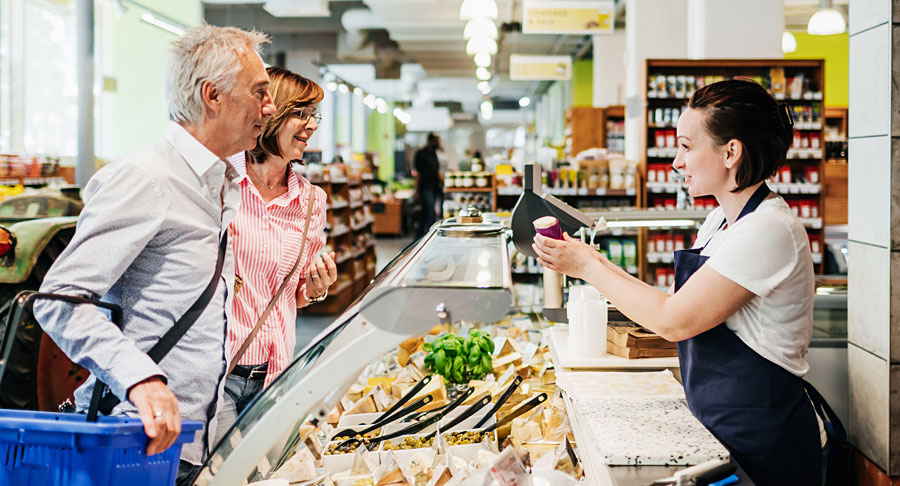
Grocery shopping changed dramatically over the pandemic as people embraced shopping apps and curbside pickup or delivery.
To Nichele Lindstrom, vice president of e-commerce at Amazon-owned Whole Foods Market, the pandemic “changed everything.” Yet many people never stopped shopping in stores, and the majority still prefer to buy food at a physical store. When Lindstrom thinks What the Future, she’s thinking about how online and in-store shopping offers flexibility that is an “and,” rather than an “or.”
Kate MacArthur: What are you seeing in people’s grocery shopping patterns between in-store and online?
Nichele Lindstrom: It’s what is the “moment of need” that drives you to one or the other. That optionality in that moment is what has fundamentally changed and opened this whole new space for customers to be flexible and still have the convenience.
MacArthur: From the shopper perspective, how do you provide outstanding service online?
Lindstrom: Ideally, when you land on our online store, you should have that sense of the local beer selection or the seasonal produce and that sense of discovery that you have when you go to a physical store. If we’re featuring that beautiful, seasonal produce when you walk into the door of the Whole Foods store, it should feel the same when you “walk” online. It’s something that we’re continuing to focus on and experiment in to try to find new ways to do that.
MacArthur: What does the future of convenience look like?
Lindstrom: We think the future is all about that choice and giving customers the option to pick what works for them in that moment. From an in-store perspective, we’re continuing to open a ton of stores. Then at the same time, it’s expanding things like free pickup. It’s continuing to offer delivery and then offering even more new services like restaurant-style ordering for pizza and sushi and sandwiches through a program we just launched called Lunch and Dinner To-Go.
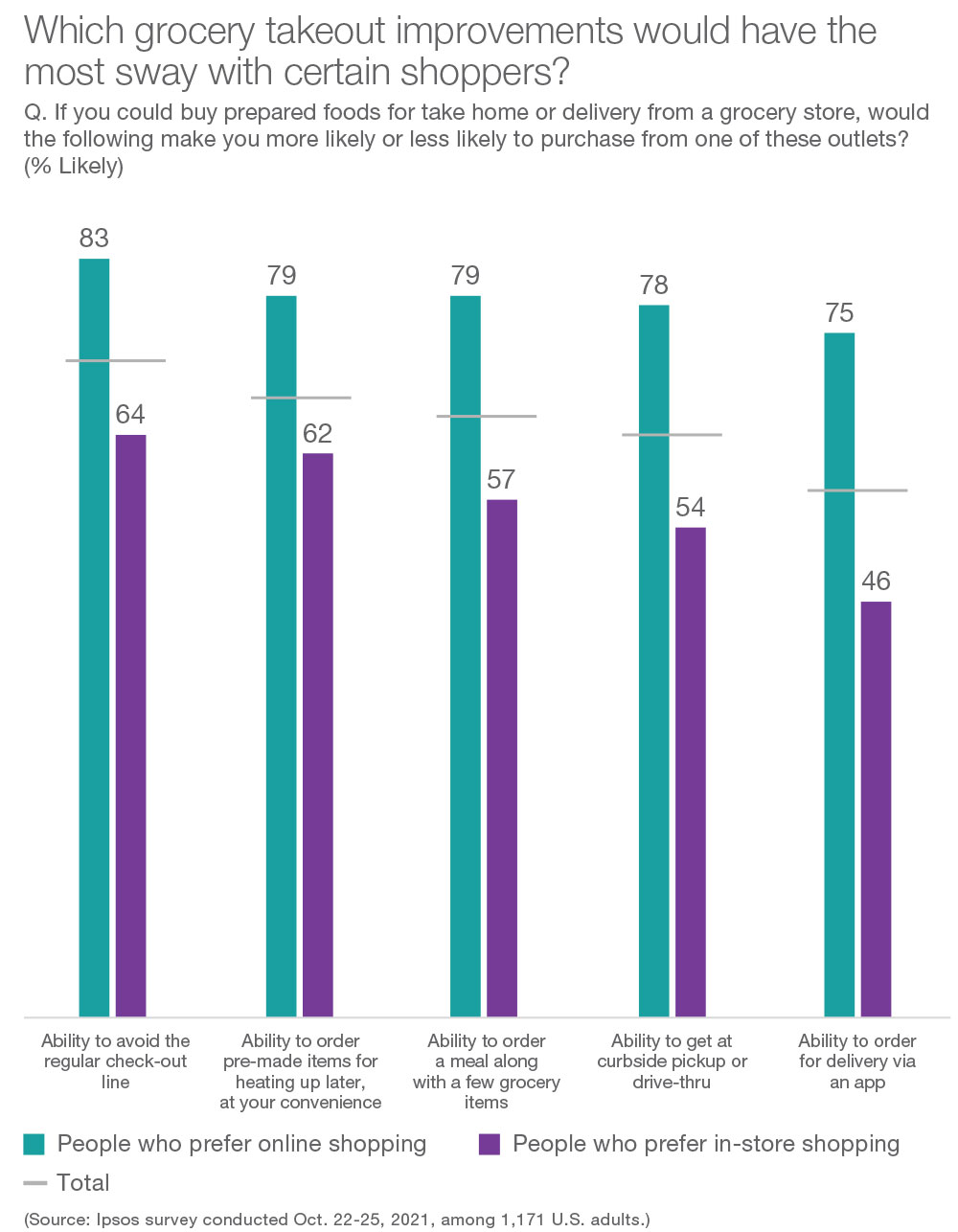
MacArthur: We’re seeing a blending between the features of grocery, restaurant and retail. The only thing we don’t have, at least that I’ve seen, is a drive-thru where I can order and pick it up.
Lindstrom: That’s the beauty of delivery, but then also, we’re about to open two physical locations with what’s called “just walk-out technology.” It’s powered by Amazon, so you can walk in, you can pick up your items and then you literally just walk out. The mindset where you remove that friction, whether it’s things like drive-thru or just walk out, that’s exactly where it’s going.
MacArthur: As a person who does this for a living and is a shopper, what’s the thing you really want to see happen?
Lindstrom: My very personal dream as a working mom is drive-thru! I want that. But in all seriousness, the thing that you’re seeing today that I want to see continue to expand and grow is this idea of the overarching awareness of things like quality and knowing where products come from, with the added benefit of convenience and seamless integration.
It’s that idea of being able to shop in-store or online as need requires with that added wrapper of things like supply chain responsibility, the continued focus on workers’ rights, knowing where products come from and having access to local selection, which we know that customers love. When you can get the products that you feel really good about buying—with convenience—that becomes greater than the sum of the parts.
MacArthur: What are the best ways for artificial intelligence to serve shoppers?
Lindstrom: Particularly in the online space, it’s about smart recommendations and things like bringing together your online shopping history and your in-store shopping history, combined with dietary preferences and needs to make it easy to either find the products you already love or new products that you haven’t even thought of.
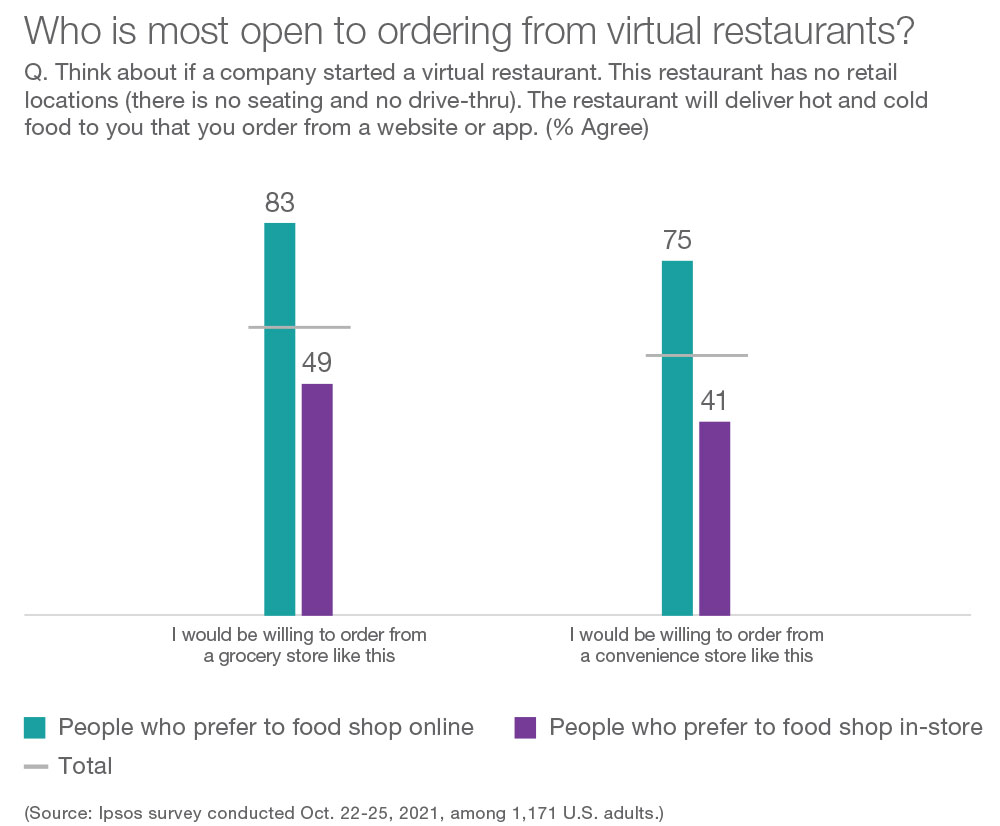
MacArthur: We’re seeing more options for last-minute shopping. How do you solve that for a shopper?
Lindstrom: We’re experimenting on how to solve it. We call it this idea next-level retail. We’ve got a location in Manhattan West with a convenience-style market that we built at street level of that location for that quick, grab- and-go item that customers want, but maybe don’t have time to go into the full store. You also see it with our prepared foods in most stores, where if you just want to walk in, get your pizza and be done, you can do that. With this idea of next-level retail, we layer in that experience and feeling of the physical location.
For example, there’s a hydroponic growing system in the Manhattan West store that grows a special type of basil that we then use in the prepared foods.
MacArthur: What is a store in the future?
Lindstrom: It’s really a third space and part of a community where it’s not just a store, but it’s a place to meet friends and family and grab a bite and grocery shop and grab a package all in one stop. We’re purposely building stores to have that sense of place, and you’ll continue to see that as we iterate on store design.

![[WEBINAR] TOAST 2026: Under Pressure - Fewer, Fragmented, Fought-For](/sites/default/files/styles/list_item_image/public/ct/event/2026-07/thumbnail-templates_1_0.png?itok=MxL-wPJW)
![[WEBINAR] The Modern Twenty-Something: How Gen Z Thinks About Money, Milestones, and More](/sites/default/files/styles/list_item_image/public/ct/event/2026-07/thumbnail-templates_0.png?itok=GNEHIkP1)