Hear more about the modern milestones for success and how brand leaders across industry and public policy can adapt now with a deeper understanding of today’s consumer.
What it means to be a teen is changing. So is the world youth live in. This issue explores how the beliefs, attitudes and behaviors of adolescents are evolving in an age of social media, climate change, and economic instability, and what these transformations mean for brands, media and institutions.
Are the kids alright? The milestones and institutions that define the line between adolescence and adulthood are shifting, and teen perspectives on everything from identity and relationships to employment and education in a state of flux. No cap, as the kids say.
Joshua Busby, author of “States and Nature: The Effects of Climate Change on Security” and non-resident fellow at The Chicago Council on Global Affairs, discusses the geopolitical risks of a changing climate.
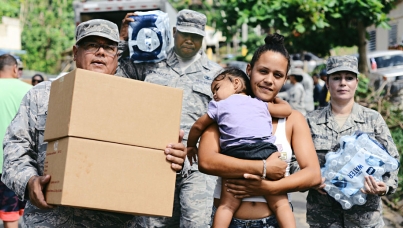
Ipsos research indicates that Veterans’ satisfaction with the healthcare and benefits they receive from the VA outperforms the general public’s sentiments. Ipsos’ Sarah Saxton explains what this means for providers.
The innovations developed to care for Veterans often shapes healthcare at large. Amanda Lienau, Ph.D, director of Open Innovation at the Veterans Health Administration discusses how Veteran care will evolve as the nature of defense changes.
From cadets to candidates, military forces and work forces face a skill gap. Col. Chris Mayer, Ph.D, department head of English and Philosophy with the U.S. Military Academy at West Point, discusses why foresight, humanities and ethics will be as valuable as practical skills.
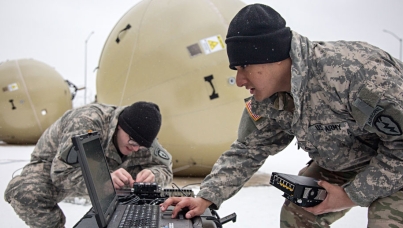
The technological shifts that are redefining defense also have the potential to transform daily life. Dominic Perez, chief technology officer at Curtiss-Wright, discusses the innovations of tomorrow (and the threats to safety and security).
With defense technology advancing rapidly, policies need to catch up and decision-makers need more education to take advantage of the technology, says Jake Sotiriadis, director of the Center for Futures Intelligence at National Intelligence University.

![[WEBINAR] What the Future: Success](/sites/default/files/styles/612x370/public/ct/event/2026-07/thumbnail-wtf-success-.png?itok=FapIqHs5)


![[WEBINAR] What the Future: Teen](/sites/default/files/styles/list_item_image/public/ct/event/2023-11/feature_8.jpg?itok=ma4Vbpxt)