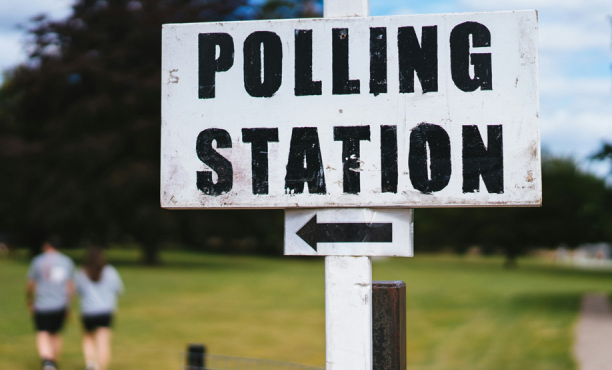
Public opinion


Public opinion Publication

Review of postal users' needs

New research from Ipsos for Ofcom shows that people are still emotionally attached to the post, even though we are using postal services less and less at home and in small businesses.
Public opinion Publication

The Effects of the English Baccalaureate

Our research for the Department for Education looks at how the EBacc has affected schools' curriculum offer, and pupils' decisions about the GCSE subjects they study.
Public opinion Publication

Public Opinion and the Environment

This presentation provided an overview of the public opinion on the environment.
Public opinion Publication

Public perceptions of harm and offence in UK advertising

The ASA commissioned Ipsos to conduct research into the public's views on what is harmful or offensive in UK advertising.
Public opinion Publication

Britain 2012

Our new paper draws upon survey data and other sources to answer these questions and explain who we are and to discuss British perspectives, strengths and weaknesses.
Public opinion Publication

Lord Hodgson Charities Act Review

General public research conducted by Ipsos's charities team to feed into the Lord Hodgson Charities Act Review
Public opinion Publication

Work and the welfare system

The research was commissioned to help DWP implement Universal Credit by providing detailed information on views and attitudes to work, internet use and budgeting skills among a representative sample of claimants who would be impacted by the transition to Universal Credit.
Public opinion Publication

Public attitudes towards electrical safety in the home

Ipsos recently conducted the third wave of a general public survey around attitudes towards electrical safety in the home for the Electrical Safety Council (ESC).
Public opinion Publication

Understanding Society July 2012

In our latest Understanding Society newsletter, we consider public service reform in the UK, and the future challenges they face in meeting public expectations at a time of severe spending constraints.