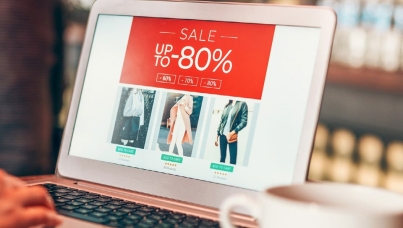
Social listening 2.0 is here. AI-enabled consumer intelligence solutions enable market research and insights pros to spot trends and stay ahead of the market.
The third paper in our “Future of Insights” series explores how organisations are evolving to harness the power of data and technology for better insights.
Since April 2020, UN Women has been collecting data to inform a gender-sensitive response to Covid-19, working with national statistics offices, governmental entities and international partners.
Expectations for governments and organisations to act on the challenge of inclusivity has risen from citizens and consumers. It is no longer an activity relegated to the notes in an Annual Report but is an imperative for societies and brands.
It's now four decades after the HIV/AIDS epidemic was first recognised medical science has brought an incredibly long way in the fight against this disease . Yet progress around the world has been very uneven, and in parts of Southern Africa, around 20% of the population is HIV positive.
This month’s edition features stories on how global values are shifting, international threats and responses, the COP26 climate change conference, today’s retail environment, and perspectives on women’s experiences.
The second paper in our “Future of Insights” series presents new thinking about how insights can be a source of information that truly inspires business growth.